
The Sun's Invisible Threat
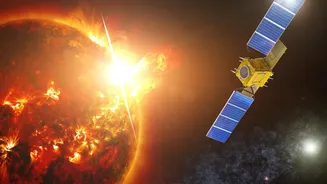
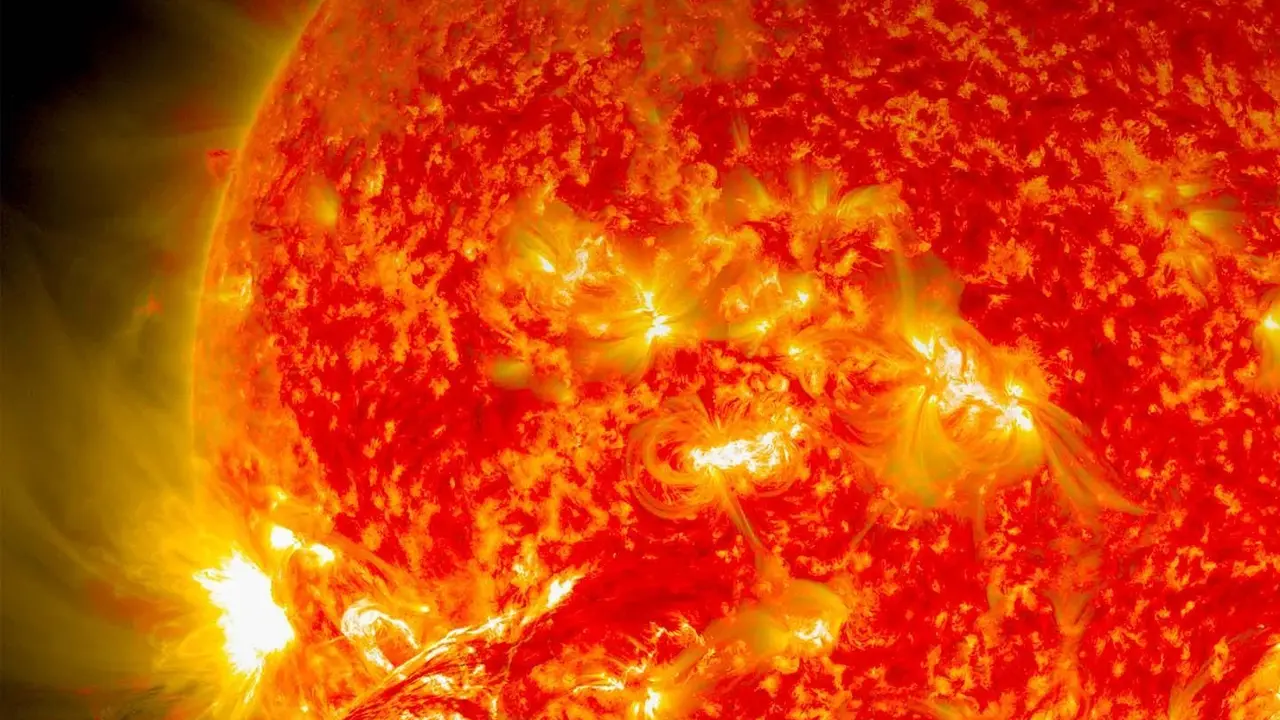
The danger comes from Solar Energetic Particle (SEP) events. These occur when the Sun unleashes massive eruptions of energy, like solar flares or coronal mass ejections (CMEs), which accelerate particles like protons to near the speed of light. While
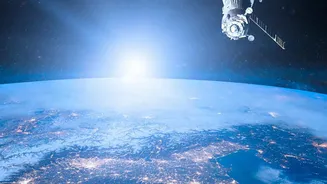
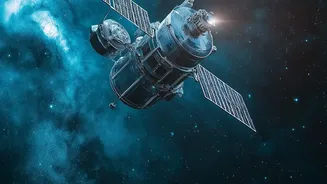
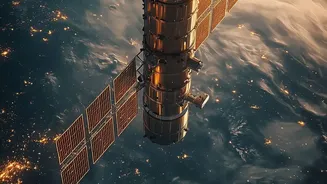
Earth's magnetic field protects us on the ground, satellites in orbit are highly exposed. When these high-velocity particles strike a satellite, they can cause a range of problems. The effects can be temporary, such as causing phantom commands or corrupting data, but they can also be permanent and catastrophic. The particles can degrade solar panels, reducing a satellite's lifespan by years, or build up an electrical charge that damages or destroys sensitive internal electronics, rendering a multi-million dollar asset useless.
A Global Network of Sun Watchers
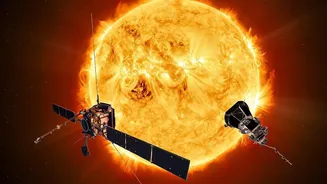
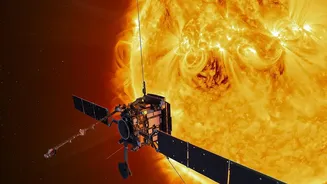
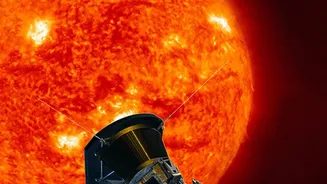
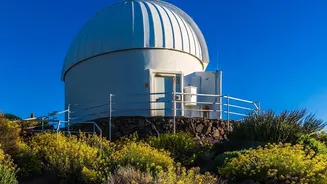
To protect against this threat, a global network of space and ground-based observatories constantly monitors the Sun. Spacecraft like NASA's Solar Dynamics Observatory (SDO) and the joint NASA/ESA Solar and Heliospheric Observatory (SOHO) act as our eyes in the sky, providing continuous data on the Sun's magnetic field and atmosphere. On the ground, a network of solar telescopes and radio observatories adds to this stream of information. This multi-faceted approach is crucial because different instruments track different parts of an eruption. Some look for the initial flash of a solar flare, while others track the vast cloud of plasma from a CME as it travels through space. This constant, coordinated vigilance is the first line of defence.
From Data to Early Warning
Gathering data is only half the battle; the real challenge is turning it into a timely warning. This is where advanced computer models and artificial intelligence come into play. Scientists feed the vast amounts of data from solar observatories into sophisticated algorithms that look for the tell-tale signs of an impending SEP event. Machine learning models are trained on decades of historical data, learning to recognise the complex patterns in magnetic field complexity or radio bursts that often precede a major eruption. These systems can now provide probabilistic forecasts hours or even days in advance. More recent AI models can even analyze sound waves traveling through the sun's interior to predict the emergence of storm-causing active regions up to 12 hours before they become visible. For storms already underway, nowcasting systems can give a warning of 15-30 minutes before the most energetic particles arrive at Earth.
Taking Protective Action
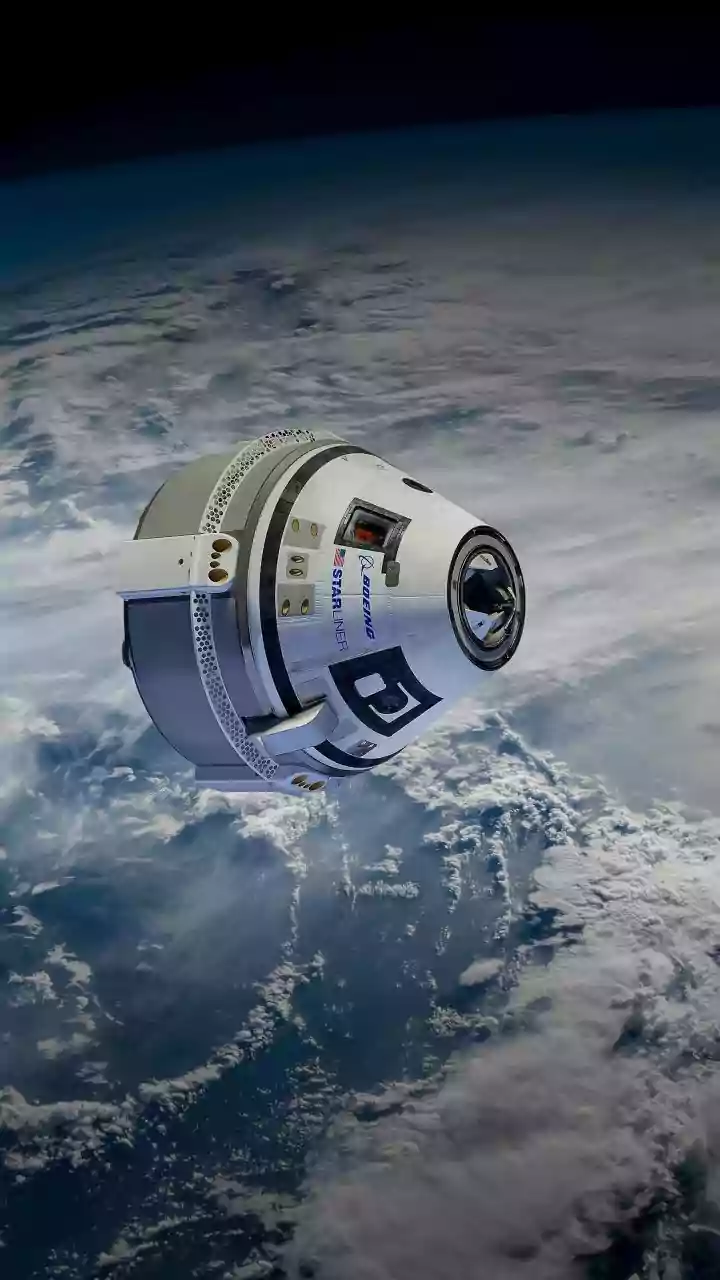
An early warning is only useful if you can act on it. When a significant SEP event is predicted, satellite operators receive alerts from agencies like NOAA's Space Weather Prediction Center. With this notice, they can take protective measures to shield their assets. A common procedure is to place the satellite into a 'safe mode,' where non-essential systems are shut down and sensitive electronics are powered off to prevent them from being fried by incoming radiation. In some cases, operators may orient the satellite to present a smaller profile to the incoming particle storm or use onboard propulsion to make minor orbital adjustments. For low-Earth orbit satellites, an increase in atmospheric drag during a storm is also a major threat, and warnings give operators time to plan orbit-raising manoeuvres to prevent premature re-entry.
The Future of Space Sentinels
As our reliance on space infrastructure grows, so does the need for even better forecasting. The next generation of space weather missions aims to provide unprecedented warning times. A key upcoming mission is the European Space Agency's Vigil, planned for launch in 2031. Vigil will be positioned at a unique point in space, Lagrange point L5, which will allow it to see the side of the Sun and spot active regions four to five days before they rotate into view from Earth. This side-view perspective will give a much earlier warning of potentially dangerous solar activity. By combining data from Vigil with that from other observatories, international agencies aim to build a truly robust and comprehensive shield against the Sun's fury, safeguarding not only our satellites but also future human explorers venturing to the Moon and Mars.