



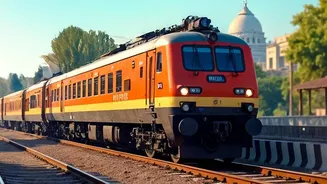
The Communal Cocoon of the Rails
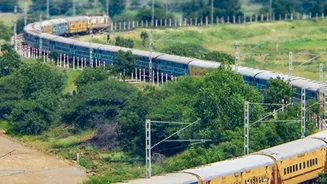
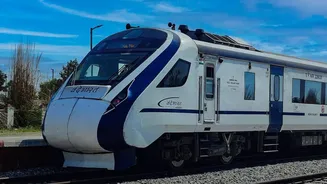
A long-distance train journey in India is an immersion into a unique, temporary community. For hours, or even days, your world is confined to a single coach, a microcosm of the nation itself. Strangers become neighbours, sharing berths, stories, and homemade
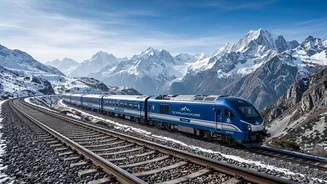
food from tiffin boxes that release an assortment of aromas at mealtimes. Conversations flow easily, bridging languages and backgrounds, as the landscape scrolls by like a continuous film. You are a passive observer, watching rural fields, distant villages, and the backs of cities glide past your window. The journey is predictable, governed by a timetable and the steady, uninterrupted rhythm of the tracks. It’s a collective experience, where the journey itself, with its chai-wallahs pacing the aisles and the shared anticipation of a station, is as memorable as the destination.
From Orderly Lines to Chaotic Freedom
The transition begins the moment you step off the train. The relative order of the platform gives way to the vibrant chaos of the station exit. Here, the world of road travel announces itself with a barrage of sounds and choices. Auto-rickshaw drivers vie for your attention, taxi operators negotiate fares, and the roar of city buses creates a wall of sound. This is where the passive journey ends and an active one begins. The pre-planned, singular path of the railway splinters into a thousand possible routes. You are no longer a passenger following a set line but a navigator making real-time decisions. The change is immediate and sensory; the air smells different, the pace is frantic, and the comfortable anonymity of the train compartment is replaced by direct, face-to-face interaction.
The Unscripted Adventure of the Road
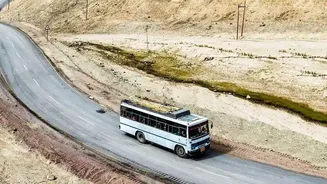
Road travel in India is defined by its freedom and spontaneity. Unlike a train, a car or bus journey puts you in direct contact with your surroundings. You feel every bump in the asphalt, hear the cacophony of local markets you pass through, and smell the food from a roadside dhaba that tempts you to make an unscheduled stop. This mode of transport allows for discovery in a way railways cannot. You can chase a scenic detour, explore a lesser-known viewpoint, or pull over to interact with villagers. The journey is no longer about the panoramic, distant view but about the intimate, close-up details. It's an experience that demands your attention, whether you are behind the wheel or simply a passenger in a bus that weaves through traffic with breathtaking agility. The road plunges you directly into the life of the places you traverse, making you a participant rather than just an observer.
A Tale of Two Sensory Worlds
The sensory experience of train versus road travel could not be more different. Rail travel is dominated by the monotonous, hypnotic clatter of wheels on steel and the sweeping, wide-angle views of the countryside. The food is often standardized, served at your seat with a comforting predictability. Road travel, however, is a full-blown sensory assault. The soundtrack is a mix of incessant honking, blaring music from passing trucks, and the chatter of towns you drive through. Visually, your focus shifts from the horizon to the immediate—the colourful decorations on a lorry, the goods piled high in a market, the sudden appearance of livestock on the highway. The culinary landscape also transforms. The railway canteen is replaced by an endless variety of dhabas and street vendors, each offering a distinct local flavour that changes every hundred kilometres.