






A Team Weighed Down by Expectation
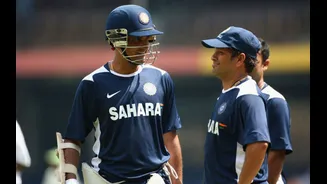
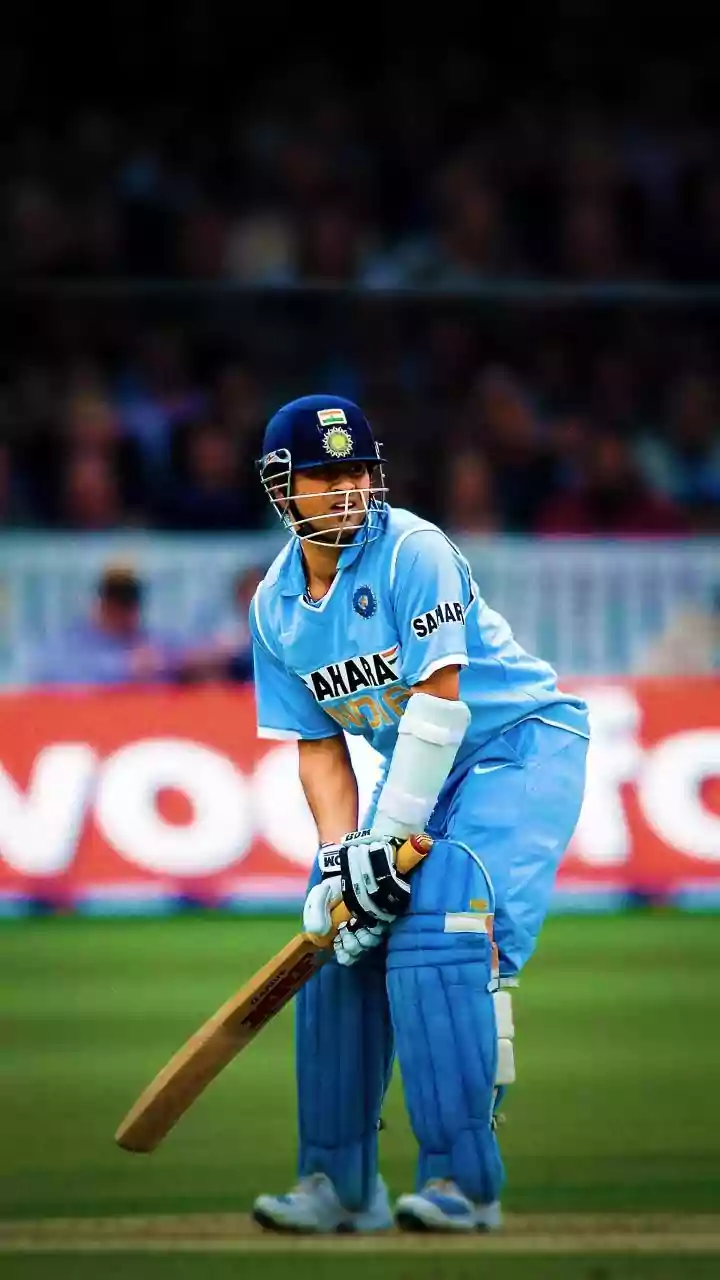
On paper, the 2007 Indian squad was formidable. Captained by the stoic Rahul Dravid, it featured a batting order that could dismantle any bowling attack. Sachin Tendulkar was on the verge of his fifth World Cup, Sourav Ganguly had made a roaring comeback,
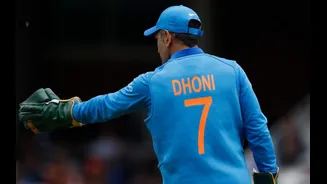
and Virender Sehwag was at his destructive best. Add to that the explosive finishing prowess of Yuvraj Singh and a young MS Dhoni, and you had a team that was justifiably tipped as a favourite. The expectations back home were immense. After a heart-breaking loss in the 2003 final, this felt like the golden generation’s best and perhaps last chance to claim the ultimate prize. The nation wasn't just hoping for a win; it was expecting one. This colossal weight of expectation created a pressure cooker environment before a single ball was bowled.
The Greg Chappell Era: A Divided House
It is impossible to discuss the 2007 debacle without mentioning the coach, Greg Chappell. The Australian legend's tenure was marked by controversy and a reported atmosphere of mistrust and fear within the dressing room. His public fallout with Sourav Ganguly had already fractured the team's harmony. Senior players, including Tendulkar, would later write about the tense environment, suggesting Chappell's methods were divisive and unsettled the squad. Instead of fostering unity, the coaching regime seemed to create insecurity. Players were allegedly unsure of their place, and the free-flowing, expressive style of play that defined Indian cricket was replaced by a more rigid, tense approach. The team that arrived in the Caribbean was not a cohesive unit but a collection of anxious, talented individuals.
The Fatal Tactical Blunder
One of the most baffling decisions of the campaign was the persistent shuffling of the batting order. The most glaring example was the decision to move Sachin Tendulkar, arguably the greatest opener in ODI history, to bat at number four. This move was intended to add stability to the middle order, but it ended up destabilising the entire lineup. It broke the legendary Tendulkar-Ganguly opening partnership and robbed India of explosive starts. Tendulkar himself was not comfortable with the change. In his autobiography, he expressed his deep disappointment, stating he had communicated his unease to the team management to no avail. This single tactical error had a domino effect, putting pressure on a new opening combination and leaving the team’s most reliable run-scorer in a position where he couldn't dictate the game's tempo from the start.
The Shock Defeat to Bangladesh
India's campaign began against a spirited, young Bangladesh side. What should have been a routine victory turned into a catastrophe. The Indian batting lineup, filled with superstars, crumbled for a paltry 191. The pressure was palpable, the shots were hesitant, and the running between the wickets was nervy. In response, Bangladesh chased down the target with surprising ease, powered by fearless half-centuries from Tamim Iqbal, Mushfiqur Rahim, and Shakib Al Hasan. The five-wicket loss sent shockwaves through the cricketing world. It wasn't just a defeat; it was a humiliation that left India needing to win their remaining two games against Bermuda and Sri Lanka to have any hope of progressing.
The Final Nail from Sri Lanka
After a massive, record-breaking win against Bermuda, it all came down to a do-or-die clash with Sri Lanka. The pressure was at its peak. Once again, the Indian batting failed to deliver. Chasing 255 to win, the lineup that had looked so potent on paper was dismantled by the Sri Lankan bowlers, particularly the spin wizard Muttiah Muralitharan. Only Rahul Dravid showed some resistance with a fighting 60. The rest of the batsmen succumbed to the pressure, and India was bowled out for 185, losing by 69 runs. The dream was over. The most star-studded team in the tournament was heading home after just three matches.