



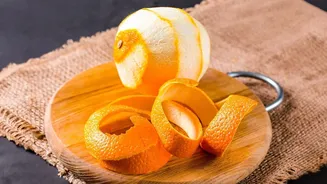


From Kitchen Waste to Wellness Wonder
Every time you peel an orange, you're left with a fragrant rind that usually ends up in the bin. But what if that peel could become a culinary secret weapon? Through the age-old process of lacto-fermentation, you can turn this humble scrap into a complex,
tangy, and salty preserve. The process is simple: salt and water create an environment where beneficial lactic acid bacteria thrive. These are the same kinds of probiotics found in foods like yoghurt and kimchi. Fermentation not only preserves the peels but also makes the nutrients within them, like Vitamin C and flavonoids, more available for your body to absorb. This technique is a fantastic way to reduce food waste while creating a unique, healthy condiment.
Gather Your Ingredients and Tools
You don’t need much to get started on this sustainable kitchen project. The key is to begin with high-quality ingredients, as their flavour will concentrate during the process. Ingredients: - Peels from 4-5 organic oranges - Non-iodized sea salt or kosher salt (table salt can inhibit fermentation) - Filtered, non-chlorinated water - Optional spices: whole cloves, a cinnamon stick, star anise, or black peppercorns for added flavour. Tools: - A clean one-litre glass jar with a tight-fitting lid - A knife and cutting board - A fermentation weight (a small, clean glass jar or a zip-top bag filled with water can work in a pinch) It is highly recommended to use organic oranges. Since the peel is the star of the show, you want to avoid any pesticides or waxes that are commonly found on conventionally grown citrus. If you can't find organic, scrub the peels thoroughly in hot, soapy water before you begin.
The Step-by-Step Fermentation Guide
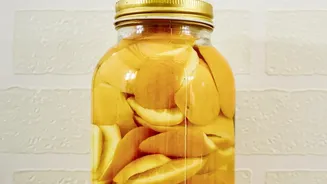
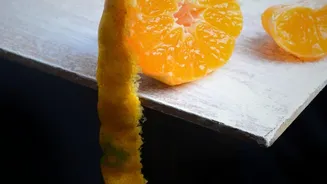
Once you have your materials, the active work is minimal. Patience is the main ingredient from here on out. 1. Prepare the Peels: Carefully peel your oranges. Using a spoon or a paring knife, gently scrape away as much of the white pith from the inside of the peel as possible. The pith is quite bitter and can create a harsh flavour in your final product. Once cleaned, slice the peels into thin strips or small, manageable pieces. 2. Create the Brine: Prepare a salt brine by dissolving about 1 to 2 tablespoons of non-iodized salt into 2 cups of filtered water. The general rule for many ferments is a brine concentration of about 2-3%. 3. Pack the Jar: Place your optional spices at the bottom of the clean glass jar. Tightly pack the prepared orange peels on top. You want them to be snug to prevent them from floating too easily. 4. Submerge and Weigh Down: Pour the salt brine over the peels until they are completely submerged. It is crucial that all the peel pieces stay under the liquid to prevent mould. Place a fermentation weight on top of the peels to keep them submerged. 5. Ferment: Loosely cover the jar with its lid. You don't want to seal it completely, as fermentation creates carbon dioxide that needs to escape. Place the jar in a cool, dark place, like a pantry, for about one to two weeks. You may notice bubbling after a few days—this is a great sign that the beneficial bacteria are hard at work.
When Is It Ready?
Check on your ferment every couple of days. You might need to release a bit of pressure from the jar, a process known as “burping.” After about a week, you can start tasting the peels. They should have a pleasantly sour, salty, and tangy flavour. The texture will soften over time. The ideal fermentation time depends on the temperature of your room and your personal preference; a warmer room will speed up the process. Once the peels have reached a flavour you enjoy, tighten the lid and move the jar to the refrigerator. This will slow the fermentation process way down. Properly stored in the fridge, your fermented citrus peels can last for several months.
How to Use Your Probiotic Preserves
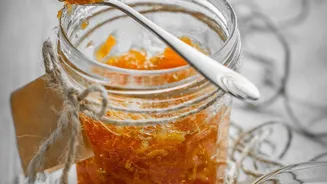
These fermented orange peels are a powerful flavouring agent, so a little goes a long way. They are quite salty and tangy, not sweet like a traditional marmalade. Rinse them briefly if you want to reduce the saltiness before using. Finely chop the peels and use them to add a bright, complex note to a variety of dishes. Mix them into salad dressings, marinades for chicken or fish, or grain salads like couscous and quinoa. They are a fantastic addition to Moroccan tagines or other slow-cooked stews. You can also blend them into a paste to spread on sandwiches or stir them into roasted vegetables for a zesty finish.