


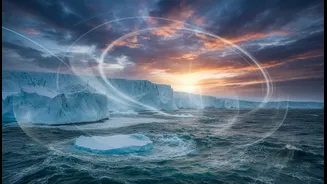
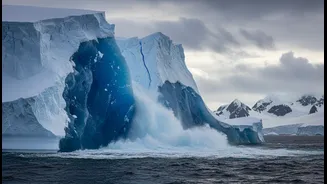


An Alarming Absence of Ice
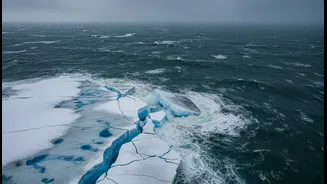
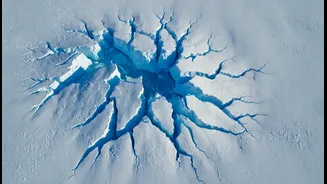
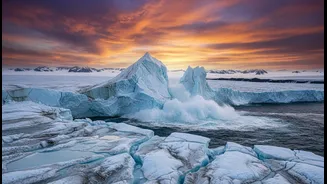
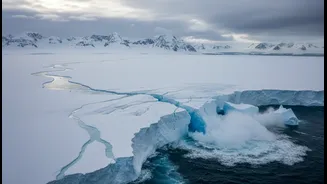
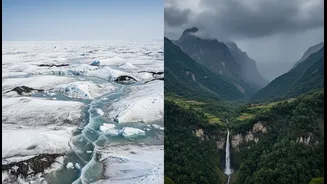
The data from the planet's polar regions is increasingly stark. In recent years, scientists have observed a consistent and dramatic decline in the extent of sea ice, particularly in the Arctic, which is warming at a rate several times faster than the rest
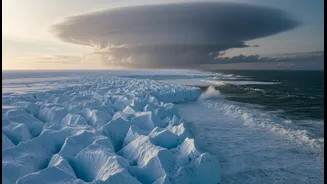
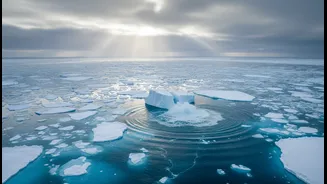
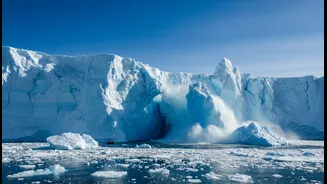
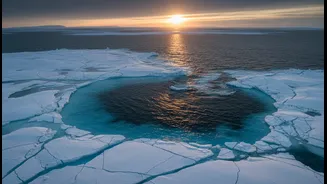
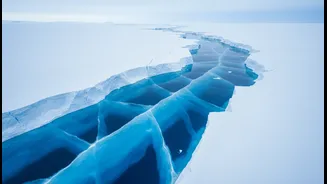
of the world. The winter peak for Arctic sea ice in 2026 was among the lowest since satellite monitoring began, continuing a long-term downward trend. Less ice cover means the darker ocean absorbs more sunlight instead of reflecting it, creating a dangerous feedback loop known as the albedo effect. This accelerates warming, which in turn melts more ice, amplifying the problem not just in the Arctic, but for the entire global climate system.
Disrupting the World's Weather Engine
The polar regions act as the planet's air conditioning system. The temperature difference between the cold poles and the warmer equator drives major weather systems, including the jet stream—a high-altitude river of air that influences weather across the Northern Hemisphere. As the Arctic warms and sea ice vanishes, this temperature contrast weakens. The result is a slower, wavier jet stream that can get stuck in place, leading to more persistent and extreme weather events. For India, this is not a distant concern. Research from the Indian Institute of Tropical Meteorology has found a strong link between declining Arctic sea ice in early summer and changes to the Indian summer monsoon later in the season. These changes can lead to a westward shift in rainfall, bringing more intense rain to some areas and drought to others, disrupting the agricultural cycle that is the bedrock of the nation's economy and food security.
Rising Tides Threaten India's Coasts
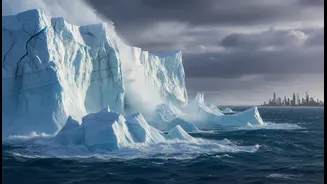
While melting sea ice itself doesn't directly raise sea levels (as it's already floating), the rapid warming it signifies is accelerating the melting of land-based ice sheets in Greenland and Antarctica. This meltwater pours into the ocean, causing global sea levels to rise. With a coastline of over 7,500 kilometers, India is acutely vulnerable. Projections indicate that millions of people and critical infrastructure in major coastal cities like Mumbai, Chennai, and Kolkata are at high risk of increased flooding, erosion, and saltwater intrusion into freshwater sources. By 2050, it is predicted that nearly 45 million Indians could be at risk from sea-level rise, potentially leading to mass internal displacement. This threatens not only homes but also vital economic sectors like fishing and agriculture, as salinisation renders fertile land unusable.
A New World of Risk and Opportunity
The disappearance of Arctic ice is also redrawing global maps, with profound economic and geopolitical consequences. The opening of new shipping lanes like the Northern Sea Route offers the potential for shorter transit times between Asia and Europe, which could reduce shipping costs. However, this emerging accessibility also brings new risks. Increased ship traffic raises the potential for environmental disasters in a fragile ecosystem. Furthermore, it has ignited strategic competition between nations over control of these routes and access to the Arctic's untapped natural resources, including oil, gas, and minerals. This new geopolitical chessboard introduces a fresh layer of uncertainty into global trade and security, with potential ripple effects on supply chains that India and the rest of the world depend on.