






Your Vehicle's Pre-Trip Checkup
Before you even think about hitting the road, a thorough vehicle inspection is non-negotiable. Your car's ability to handle wet conditions is your first line of defence. [2] Start with the tyres, as they are your only contact with the slippery road. [7]
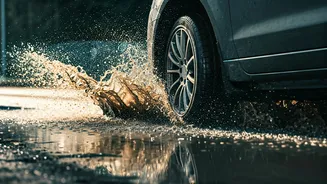
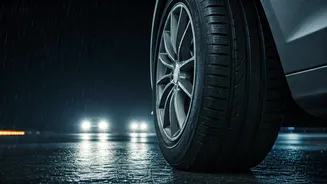
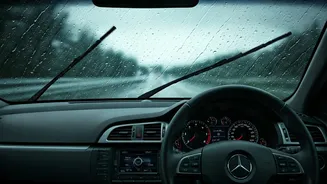
Ensure they have sufficient tread depth to provide a good grip and prevent skidding or hydroplaning. [4, 7] Worn-out tyres must be replaced. Next, test your brakes. Wet roads increase your vehicle's stopping distance, so your braking system must be in top condition. [9, 11] Get them inspected, especially if you notice any delays or unusual noises. [7] Finally, check your wipers, lights, and battery. [11] Worn wiper blades can dangerously obstruct your view in a downpour and should be replaced. [4] Ensure all lights—headlights, taillights, and indicators—are working perfectly for visibility. [4] The monsoon's humidity and increased use of electronics can strain your battery, so check for corrosion and ensure it's holding a charge. [5, 7]
On-the-Road: Safe Driving Techniques
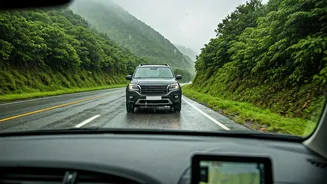
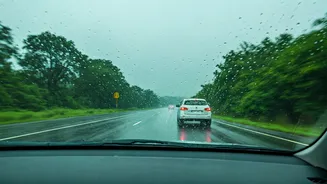
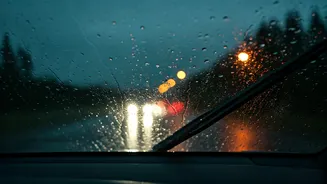
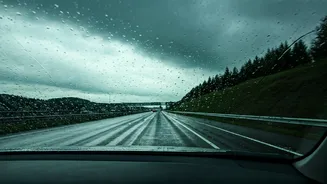
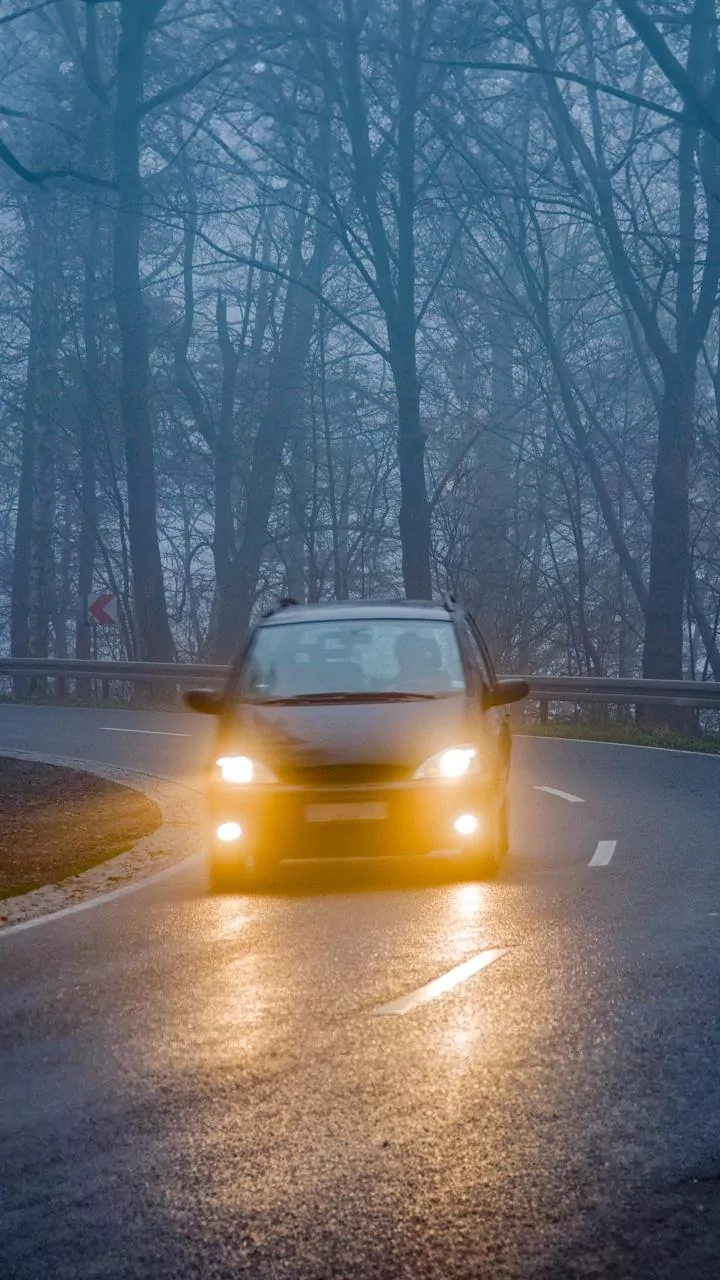
Once you're driving, adapting your technique to the weather is critical. The most important rule is to slow down. Reducing your speed gives you more time to react and helps prevent hydroplaning, where your tyres lose contact with the road. [2, 14] Maintain at least double the usual following distance from the vehicle in front of you, as braking takes longer on wet surfaces. [19] Use your low-beam headlights even during the day to improve your visibility to others. [21] Avoid using high beams, as they can reflect off the rain and worsen your vision. [14, 21] Be gentle and smooth with all your inputs—braking, steering, and acceleration—to avoid skidding. [24] If you feel the car starting to hydroplane, do not brake suddenly; instead, ease off the accelerator and steer gently in the direction you want to go until you regain control. [14, 15]
Navigating Waterlogged Roads
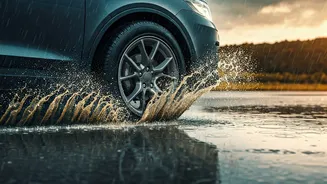
Encountering a waterlogged street is a common monsoon hazard. [15] The cardinal rule is to avoid driving through standing water if possible, as it can be deeper than it appears and may hide potholes or other dangers. [14, 24] If you must proceed, only attempt to cross if the water is no higher than the centre of your wheels. [16] Drive slowly and steadily in a low gear to keep your engine's revs up, which helps prevent water from entering the exhaust. [2, 8] Try to stay in the middle of the road, where the water is often shallowest. [8, 16] After you've crossed, gently tap your brakes a few times to help dry them off and restore their normal performance. [8, 16] Never attempt to restart your engine if your car stalls in water, as this can cause severe and expensive damage. [16, 21]
Packing Your Monsoon Emergency Kit
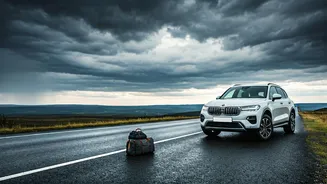
Being prepared for the unexpected can turn a potential disaster into a minor inconvenience. Your emergency kit should be tailored for monsoon conditions. Beyond a standard first-aid kit, include waterproof gear like raincoats and umbrellas. [3, 6] Pack extra, quick-drying clothes and towels in waterproof bags. [18] Essential tools, including a jack and a spare tyre in good condition, are crucial as wet roads can increase the chance of punctures. [3] Stock up on non-perishable snacks and plenty of drinking water in case you get stranded in a traffic jam, which is more likely during the monsoon. [3, 9] A powerful flashlight with extra batteries, a portable power bank for your phone, and insect repellent are also highly recommended. [3, 23] Storing these items can provide peace of mind and keep you safe in an emergency.