




Our Brains on a Digital Diet
The engine behind our dwindling cinematic patience isn't a moral failing; it's a neurological one. Short-form video platforms like TikTok, Instagram Reels, and YouTube Shorts are designed to deliver rapid, unpredictable rewards. Every swipe brings a new
video—a joke, a dance, a shocking revelation—triggering a small release of dopamine in the brain. This creates a powerful feedback loop. Your brain learns to expect and crave this constant stream of micro-dopamine hits. When you then sit down for a two-hour film, with its deliberate pacing, character development, and slow-burning plot, your brain can feel understimulated. It’s been trained for a sprint, and now it’s being asked to run a marathon. Research has started to draw a line between heavy use of short-form video and reduced abilities in tasks that require sustained focus. The term "brain rot" has even entered the lexicon to describe the mental fog that can follow prolonged scrolling sessions.
Patience by the Numbers
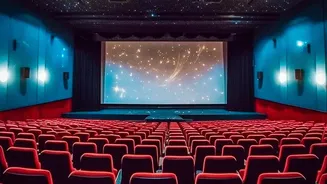
So, is our patience measurably shrinking? Some data suggests it is. A July 2026 study from Talker Research found that the ideal movie length for American audiences is now a brisk 88 minutes. This is down from 92 minutes just two years prior. The generational gap is telling: Gen Z prefers films around the 82-minute mark, while Boomers are more patient, clocking in at 93 minutes. However, the narrative isn't entirely straightforward. The same audiences who report shorter attention spans will still show up for three-hour epics like "Oppenheimer" or "Avatar: The Way of Water," which were massive box office successes. This suggests that attention hasn't vanished, but has become more selective. Audiences are willing to commit, but the film has to prove it's worth their undivided focus. The experience of watching at home versus in a theater also plays a huge role. At home, the temptation to multi-screen is constant, with studies showing a vast majority of Americans use a second device while watching TV. In the cinema, the dark, phone-free environment forces a level of immersion that the living room cannot replicate.
Cinema's Changing Rhythm
The film industry is not oblivious to this shift. On one hand, there's a noticeable trend of faster pacing in modern blockbusters. Editing rhythms have accelerated, with the average shot length in major franchises often being just a few seconds, mimicking the quick-cut nature of social media content. This 'tiktokification' of cinema aims to keep viewers constantly stimulated, leaving no room for boredom or the temptation to look away. On the other hand, some filmmakers are doubling down on what makes cinema different: scale, spectacle, and event status. The success of lengthy, immersive films suggests that one way to compete with the small screen is to offer an experience that simply can't be replicated on a phone. This creates a paradox: while average movie runtimes for top films have crept up over the decades, audience preference seems to be leaning shorter.
An Unlikely Marketing Partner
While short videos compete for viewing time, they have also become an indispensable marketing tool for the film industry. Studios now recognize that a viral clip, sound, or meme on TikTok can be more powerful than a traditional trailer. The soundtrack to Disney's "Encanto" became a TikTok sensation, driving massive streaming success for the film after a modest cinema release. Research has shown that TikTok campaigns can significantly lift box office ticket sales and drive viewers to tune into new shows. These platforms allow studios to connect with younger audiences and build communities around their properties. Fan-made edits, theories, and discussions create a groundswell of organic hype that traditional marketing struggles to match. This symbiotic relationship means that while short-form content might be eroding patience for long-form stories, it's also creating new pathways for audiences to discover them.