







What Makes Infrared Different?
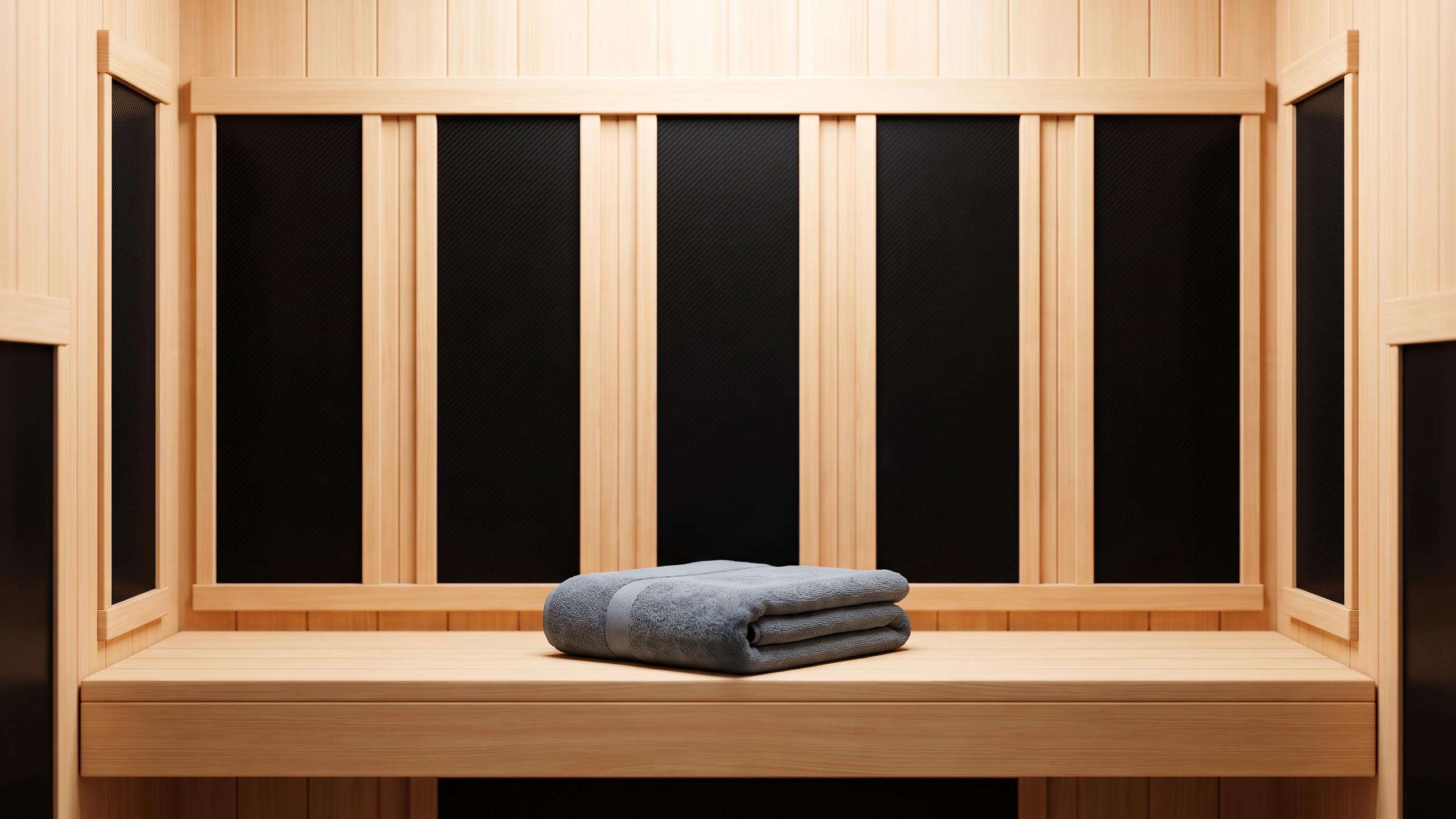
Unlike a traditional sauna that heats the air around you to very high temperatures, an infrared sauna uses special lamps to emit infrared light. This light penetrates your skin and heats your body directly from within. The result is a more intense sweat
at a lower, more comfortable air temperature—typically between 120°F and 140°F, compared to the 150°F to 195°F of traditional saunas. This allows for a longer, more tolerable session for many people, making the experience feel more like a soothing warmth than an endurance test.
The Soothing Power of Passive Heat
One of the primary draws of infrared saunas is their role in passive heat therapy. As the infrared waves warm your body's core temperature, your heart rate increases and your blood vessels dilate, similar to the effects of light exercise. This boost in circulation can deliver more oxygen to your muscles, which may help reduce muscle soreness and speed up post-workout recovery. Many users with chronic pain conditions like arthritis or fibromyalgia also report finding relief, as the deep heat can help reduce stiffness and inflammation in joints and tissues.
The Great Detoxification Debate
The word "detox" is perhaps one of the most common claims associated with infrared saunas. The idea is that the deep sweat induced by the sauna helps push out toxins like heavy metals and environmental pollutants. While it's true that sweating is one of the body's natural pathways for eliminating waste, experts caution against overstating the sauna's role. Your liver and kidneys are your body's primary detoxification organs. While a good sweat can help support these systems, it is not a substitute for their function. Think of it less as a miracle cleanse and more as a supportive tool that helps your body’s natural processes.
A Modern Tool for Stress Management
In a world of constant connectivity and pressure, finding a moment of peace is a top priority for many. This is where infrared saunas truly shine. The gentle, enveloping heat provides a calming environment that encourages relaxation. Studies and user reports suggest that regular sessions can help lower levels of cortisol, the body's primary stress hormone, while boosting feel-good endorphins. This can lead to a greater sense of calm, improved mood, and better sleep quality, making it a powerful ritual for managing the mental load of modern life.
Important Considerations Before You Sweat
While infrared saunas are safe for most healthy adults, there are important factors to consider. The most significant risk is dehydration. It is crucial to drink plenty of water before, during, and after your session. People with certain medical conditions, especially cardiovascular issues, low blood pressure, or those who are pregnant, should consult their doctor before using a sauna. Likewise, anyone on medication should check with a physician or pharmacist, as some drugs can affect your body's ability to regulate temperature or handle heat stress. It's always best to start with shorter sessions at a lower temperature and see how your body responds.