





Beyond Bootcamps and Detox
For years, the concept of a 'wellness retreat' conjured images of gruelling 5 a.m. workouts, restrictive liquid diets, and a relentless focus on physical transformation. The goal was often to return home a few kilos lighter, albeit exhausted. But a significant
shift is underway. The modern wellness traveller isn't looking to be punished into perfection; they're seeking peace, clarity, and genuine emotional release. This new approach, often dubbed 'vibe-cations', prioritises mental and spiritual well-being over purely physical metrics. It’s less about what you can shed—be it weight or bad habits—and more about what you can gain: a sense of calm, a deeper connection to yourself, and a recalibrated nervous system ready to handle the stresses of modern life. The focus has moved from 'doing' to 'being'.
Tuning Into a New Frequency
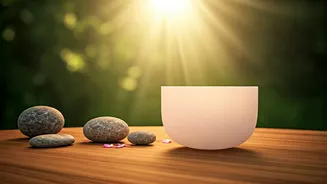
One of the most prominent features of this new wave is the use of sound as a healing modality. Retreats are increasingly building entire experiences around sound baths, vibrational therapy, and guided sonic meditations. But what is a sound bath? Imagine lying comfortably in a serene space while a practitioner plays a variety of instruments like crystal singing bowls, gongs, and chimes. The objective isn't to create a melody, but to generate overlapping frequencies and vibrations that wash over you. Proponents say these resonant sounds can help quiet a busy mind, activate the parasympathetic nervous system (our 'rest and digest' state), and release stored emotional tension. It's a passive, gentle form of therapy that requires nothing more than listening, making it the perfect antidote to our overstimulated, always-on culture.
Nature as the Main Amenity
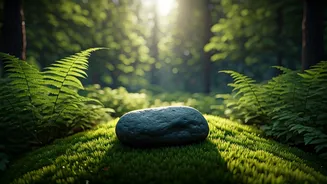
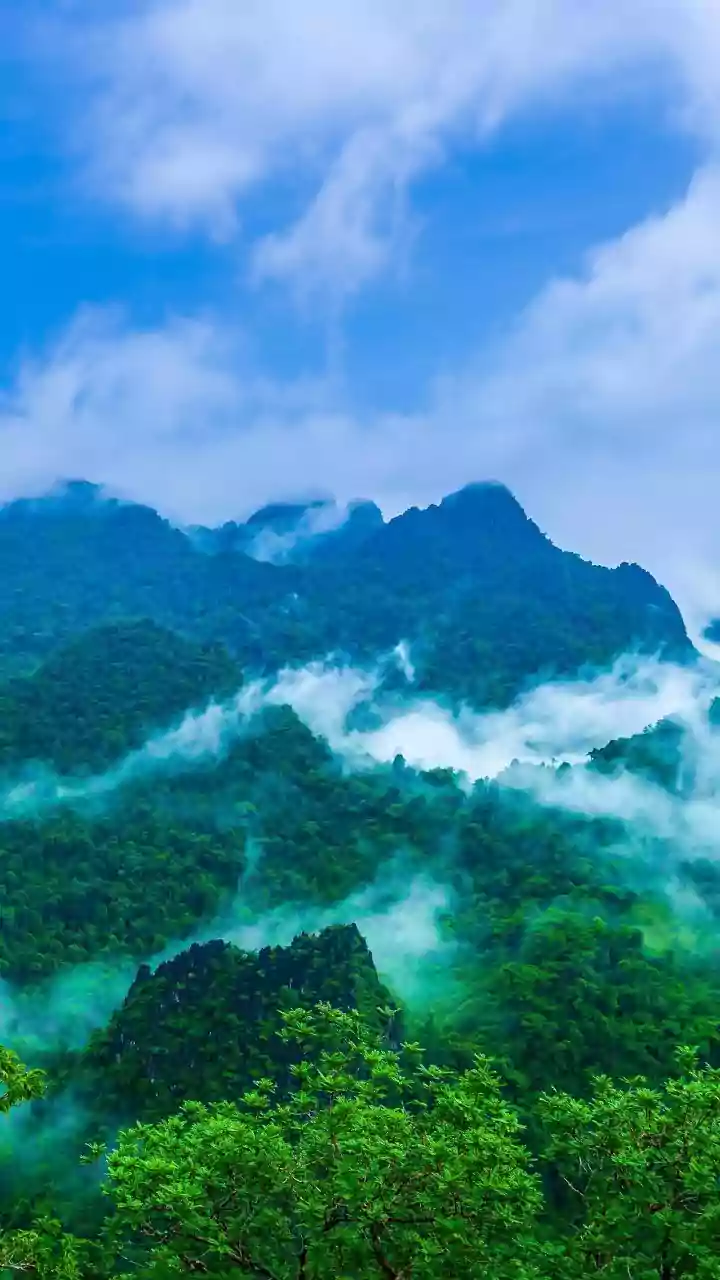
The luxury spa with its endless menu of treatments is no longer the sole centrepiece of wellness travel. Instead, nature itself has become the ultimate amenity. This trend goes far beyond guided hikes. We’re seeing the rise of 'forest bathing', or Shinrin-yoku, a Japanese practice of simply being calm and quiet amongst the trees, observing nature while breathing deeply. This isn't a trek to a summit; it's a slow, sensory immersion. Similarly, 'grounding' or 'earthing'—the practice of walking barefoot on grass, dirt, or sand to connect with the earth's natural energy—is becoming a staple. These practices are rooted in the idea that humans have an innate need to connect with the natural world for our psychological and physiological health, something that many of us have lost in our urbanised, indoor lives.
Connection Over Correction
While solitude can be healing, the new wellness journey often emphasises community and shared experience. The old model could feel isolating, a personal battle against your own perceived flaws. Today’s retreats are more likely to include communal talking circles, group workshops on emotional intelligence, and shared meals that are nourishing rather than punishing. The idea is to create a safe space for vulnerability and authentic connection with others. This communal aspect combats the profound loneliness that has become a silent epidemic in our hyper-connected digital world. By sharing stories and experiences, travellers often find that the 'vibe' of the group is just as healing as any formal therapy session, fostering a sense of belonging that lasts long after the trip is over.