




A Timeless Bowl of Comfort
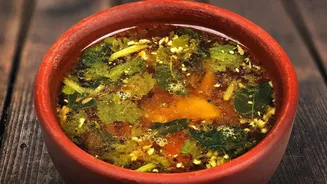
For generations, particularly in South India, rasam has been more than just a part of a meal; it's a source of immense comfort. This thin, soupy broth is a staple, but its role becomes even more critical during flu season. Known as 'milagu rasam' in Tamil,
pepper rasam is specifically prepared when someone is feeling under the weather. It’s a light, nourishing, and hydrating dish that’s easy to consume even when appetite is low. Unlike heavier soups, its watery consistency is gentle on the stomach, making it the perfect food for recovery. Families often have their own variations, passed down as a trusted home remedy for everything from a simple cold to body aches.
The Healing Power of Pepper
The star ingredient, black pepper, is what elevates this dish from a simple soup to a potent remedy. Black pepper contains piperine, a compound known for its antioxidant and anti-inflammatory properties. Traditionally, it is believed to act as a natural expectorant, helping to break down and clear mucus from the respiratory tract, which can provide relief from chest congestion and a blocked nose. Its warming nature is also thought to soothe a sore throat and reduce coughing. While it is not a cure for viral infections, the comforting warmth and hydrating properties of the rasam, combined with the benefits of pepper, can help manage the discomfort associated with a cold or flu.
A Symphony of Healing Spices
Pepper doesn't work alone. Milagu rasam is a masterful blend of several beneficial ingredients. Tamarind, which gives rasam its signature tangy flavour, is rich in antioxidants and dietary fibre. It aids digestion, which can often be sluggish during illness. Cumin seeds, another key component, add to the aroma and are also believed to have digestive and antioxidant effects. Many recipes include garlic, which is well-regarded for its antimicrobial properties that can help the body fight off germs. Turmeric is often added for its anti-inflammatory compound, curcumin, which further supports the body’s healing process. Together, these spices create a flavourful and functional broth that is both soothing and restorative.
How to Prepare a Light Pepper Rasam
Making pepper rasam at home is simple. The key is to use freshly crushed spices for the best flavour and potency. Start by coarsely grinding whole black peppercorns and cumin seeds, sometimes with a few cloves of garlic. In a pot, heat a little ghee or oil and temper it with mustard seeds, curry leaves, and a pinch of asafoetida (hing). Some recipes call for adding chopped tomatoes and cooking them until soft. Next, add tamarind water, the ground spice powder, turmeric, and salt. Let this mixture simmer gently for about 5-10 minutes. It's important not to over-boil the rasam after adding the spice powder, as this can make it bitter. The goal is a light, aromatic, and translucent broth. Garnish with fresh coriander before serving.
Serving for Maximum Comfort
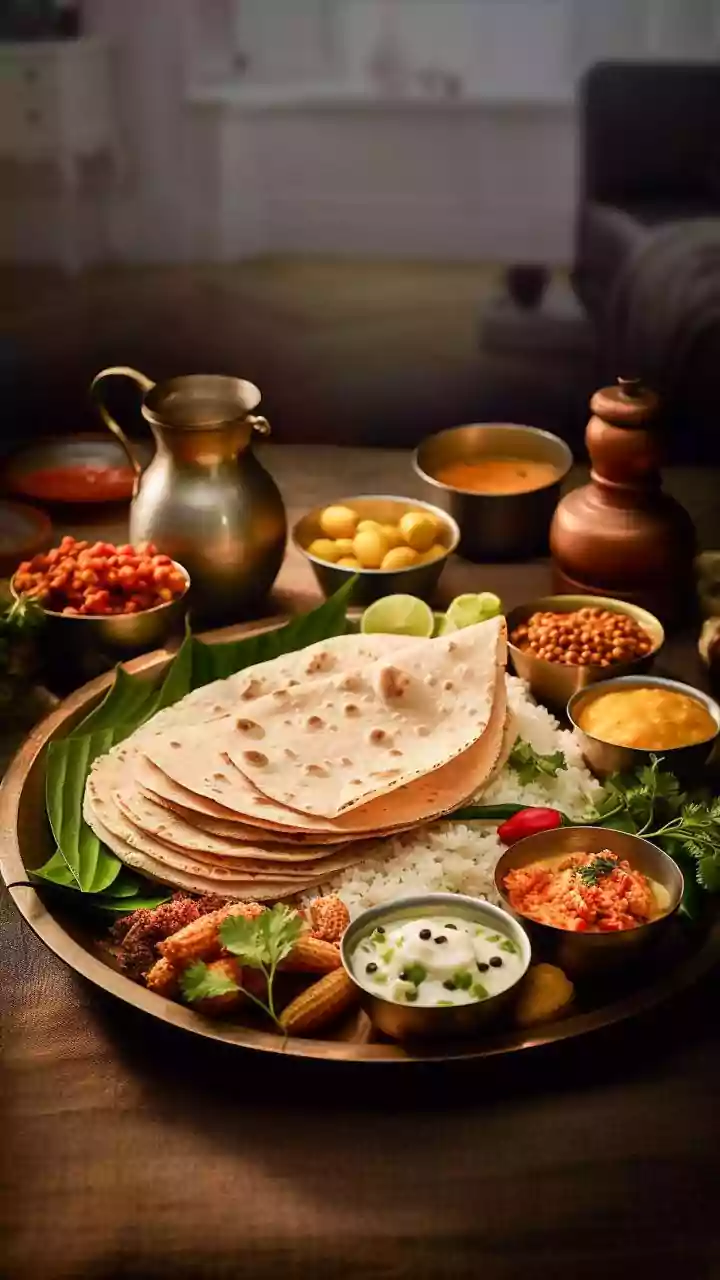
When you're unwell, pepper rasam is best enjoyed piping hot. It can be sipped slowly from a glass or a cup, just like a soup, providing immediate warmth and relief to a sore throat. This method is especially comforting when you have a blocked nose, as the steam can help clear nasal passages. Alternatively, it can be served in a small bowl with a little soft, steamed rice. This makes for a light, easily digestible meal that provides energy without taxing the digestive system. The focus is on comfort and nourishment, allowing the body to dedicate its resources to fighting off the illness. Its reputation as a detoxifying food also makes it ideal for settling the stomach after a period of heavy meals or indigestion.