








The Great Escape from the Urban Grind
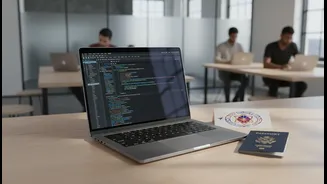
The post-pandemic world has reshaped our idea of the office. For a growing number of Indian freelance professionals in fields like IT, design, and content creation, the office is wherever their laptop has a stable internet connection. This newfound flexibility,
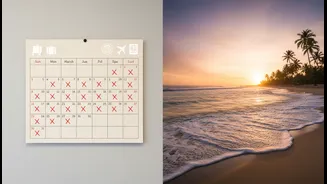
combined with the burnout from fast-paced city life in metros like Mumbai and Bengaluru, has fueled the rise of the “workation”—a trip where you continue working while living in a new, often more relaxed, location. While destinations within India like Goa and Himachal have become popular, many are now looking eastward. Southeast Asian countries offer a compelling mix of vibrant culture, modern infrastructure, and, most importantly, affordability, making them prime candidates for an extended stay.
Your Visa Gateway to a Tropical Office
For years, the biggest hurdle for a long-term workation was the visa. Tourist visas come with short time limits and strict rules against working. Now, several Southeast Asian nations have rolled out permits specifically for digital nomads. Malaysia’s DE Rantau Nomad Pass is aimed at digital professionals and allows a stay of up to 12 months, which can be extended. Thailand's Destination Thailand Visa (DTV), launched in 2024, is another game-changer, offering a five-year, multiple-entry visa that allows a stay of up to 180 days per entry. In Indonesia, the popular choice for those eyeing Bali is the Remote Worker Visa (E33G), which allows a stay of up to a year for those who earn their income from outside the country. These visas provide a legal framework for Indian freelancers to live and work remotely without entering the local job market.
Popular Hubs for the Indian Nomad
Certain cities have become magnets for the remote work community. Kuala Lumpur in Malaysia offers a bustling, modern metropolis with excellent connectivity and a diverse food scene. Chiang Mai in northern Thailand is a long-standing favorite, known for its relaxed atmosphere, creative community, and incredibly low cost of living. And, of course, there's Bali in Indonesia, the quintessential digital nomad paradise, with its blend of beaches, co-working spaces, and wellness culture. These locations are particularly appealing to Indians due to their relative proximity, strong flight connections from major Indian cities, and a welcoming environment for long-term visitors.
The Affordability Factor: Does It Make Financial Sense?
A key driver of this trend is affordability. While a workation sounds like a luxury, living in many parts of Southeast Asia can be cheaper than in India's top metro cities. For instance, the monthly cost of living in cities like Chiang Mai or parts of Bali can be significantly lower than in Mumbai or Gurgaon. Rent, daily expenses, and food are often more budget-friendly. This financial arbitrage allows Indian freelancers, who earn in rupees or foreign currency, to enjoy a higher quality of life for less. The money saved on rent and commuting in a major Indian city can instead be spent on travel, experiences, and a better work-life balance.
Navigating the Practicalities and Paperwork
While the dream is alluring, making it happen requires careful planning. These digital nomad visas come with specific requirements. Applicants typically need to prove a minimum annual income or savings, show proof of remote work contracts, and have valid health insurance. For instance, Malaysia’s DE Rantau pass has an annual income requirement of around $24,000 USD for digital professionals. Indonesia’s E33G visa requires proof of income of at least $60,000 USD per year. Thailand’s DTV requires applicants to show financial evidence of at least 500,000 THB (approximately ₹11.5 lakhs) in their account. Aspiring nomads must also consider tax implications, as rules can be complex and vary by country and the duration of the stay. It's crucial to research the specific requirements and consult with experts to ensure a smooth transition.