






An Unprecedented Shopping Spree
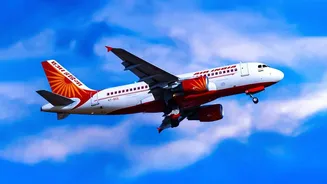
Indian carriers are on a historic aircraft buying binge, reflecting soaring passenger demand. In recent years, airlines like IndiGo, Air India, and Akasa Air have placed orders for well over 1,200 aircraft from global manufacturing giants Airbus and Boeing.
IndiGo made headlines with a 500-plane order for the Airbus A320 family in 2023, the largest in commercial aviation history. Not to be outdone, the Tata-owned Air India group has ordered 470 jets to power its revival. The total order book for Indian airlines stands at over 1,700 planes, with government officials suggesting another 1,000 may be needed to satisfy the country's demand. This fleet expansion is central to making India a global aviation hub, connecting its growing middle class to more domestic and international destinations.
Global Supply Chains Hit Turbulence
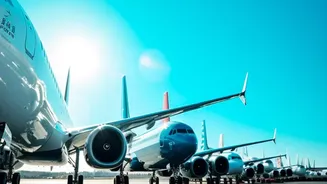
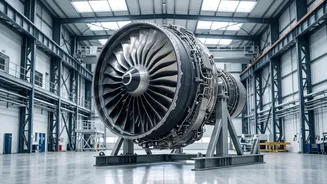
Despite the massive orders, getting planes delivered has become a major bottleneck. Both Airbus and Boeing are facing significant production delays due to a tangled web of global supply chain disruptions. The crisis is multifaceted, stemming from shortages of essential components, raw materials, and skilled labour. A critical issue has been persistent problems with engines, particularly those from Pratt & Whitney, which have forced airlines like IndiGo to ground a significant number of their Airbus A320neo jets. These engine issues, which can take up to 300 days per engine to fix, have a cascading effect, creating a backlog that manufacturers are struggling to clear. The result is that some aircraft ordered by Indian carriers are not expected to be delivered until as late as 2034.
The Ground Reality for Airlines and Fliers
The aircraft shortage is not just a boardroom problem; it has real-world consequences for both airlines and passengers. With dozens of aircraft grounded and new deliveries delayed, airlines are struggling to add capacity to meet the ever-increasing demand for air travel. This supply-demand mismatch directly contributes to higher airfares, especially on popular routes. It also leads to operational instability, with airlines forced to cancel flights or delay the launch of new routes. To cope, carriers have been forced to get creative, extending leases on older, less fuel-efficient planes and turning to 'wet leasing' — a short-term solution where an airline rents an aircraft along with its crew, maintenance, and insurance — to plug the gaps.
The Search for Immediate Solutions
With no quick fix for the global manufacturing slowdown, India's aviation ecosystem is exploring workarounds. Wet leasing has become a crucial, if expensive, tool to maintain schedules and protect market share. At the start of 2026, IndiGo was operating multiple wet-leased aircraft to offset the dozens of planes grounded due to engine issues. Simultaneously, there is a renewed push to build a robust domestic Maintenance, Repair, and Overhaul (MRO) industry. A stronger local MRO capacity would reduce the time and cost involved in sending engines and components overseas for repairs, easing some of the pressure. The government is also promoting aircraft leasing and financing through GIFT City in Gujarat, aiming to create a domestic ecosystem that reduces reliance on foreign lessors and provides Indian carriers with more financial flexibility.