







The New Dinner Time: 11 PM and Beyond
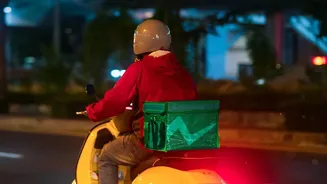
Not long ago, kitchens in most Indian cities would wind down by 10 PM. Today, for a growing number of urbanites, that’s when dinner considerations begin. Food delivery platforms report that orders placed between 11 PM and 3 AM have surged, doubling in volume
over the past year. This isn't just about occasional cravings. It signals a fundamental change in daily routines, where the traditional 9 PM dinner is being replaced by much later meals. This trend is most pronounced among younger consumers, whose sleep and work schedules have shifted significantly, often extending deep into the night.
Drivers of the Midnight Munchies
Several factors are fuelling this after-dark appetite. The rise of remote and hybrid work has blurred the lines between day and night, with many professionals working late to align with global teams. This 'always-on' work culture means dinner is often an afterthought, addressed only after the final email is sent. Beyond work, entertainment has also shifted. Binge-watching series and late-night sporting events have become common, turning food orders into a key part of the experience. For many, a late-night order is also a form of reward or stress relief after a long day—a small, convenient indulgence that requires no effort.
What India Craves After Dark
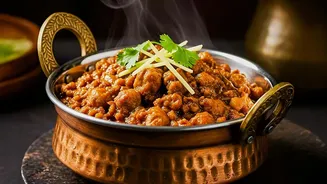
So, what are Indians ordering in the wee hours? Comfort food reigns supreme. According to data from delivery platforms, pizzas and burgers are consistent top choices, especially during major sporting events. Chicken biryani remains a perennial favourite, alongside snacks like chicken rolls and momos. There’s also a significant sweet tooth, with desserts like choco lava cake seeing millions of orders. While metro cities like Bengaluru, Hyderabad, and Mumbai lead the charge, the trend is rapidly expanding. Tier-2 cities such as Surat, Patna, Lucknow, and Bhubaneswar are showing double-digit growth in late-night orders, signalling a nationwide shift.
The Industry That Never Sleeps
This demand has given rise to a robust night-time economy. Restaurants and quick-service chains are extending their hours, with many now delivering until 3 AM or even later. The real engine behind this 24/7 availability, however, is the proliferation of cloud kitchens. These delivery-only establishments operate without a physical storefront, allowing them to focus exclusively on fulfilling online orders efficiently. This model has lower overheads, making it easier to cater to the late-night niche. Food delivery apps have also adapted, launching curated services like 'Late Night Eats' that offer special menus and faster delivery for the night-owl workforce.
More Than Just a Meal
The convenience of late-night food delivery is undeniable, but it also reflects a larger transformation in urban living. It points to a culture where time is the ultimate luxury and convenience is a necessity. The act of ordering food has become a digital experience, replacing the social aspect of neighbourhood dhabas and restaurants with a transactional, screen-based interaction for many. This shift brings both opportunities and challenges, reshaping not just what we eat, but how we connect with food and each other in the modern Indian city.