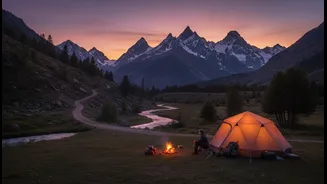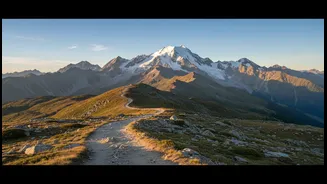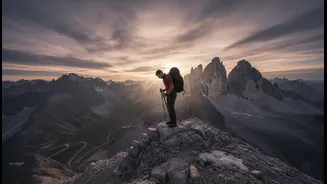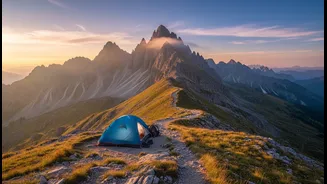





The All-Too-Common Mistake
It’s a familiar story for many mountain-bound travelers. After a long drive or flight, you reach your destination, brimming with excitement. The most ambitious trail on your list seems like the perfect way to kick off the adventure. However, this initial
burst of enthusiasm can quickly lead to disappointment and illness. Pushing your body to its limits right after arriving at a higher elevation is a recipe for trouble. Your body, no matter how physically fit you are, hasn't had the chance to adjust to the thinner air. Jumping straight into a strenuous hike not only increases your risk of injury on unfamiliar terrain but also sets you up for a nasty bout of altitude sickness that could derail your entire trip.
Your Body on Altitude
So, what’s actually happening to your body? At higher altitudes, the air pressure is lower, meaning there are fewer oxygen molecules in each breath you take. Your body's immediate response is to breathe faster and pump your heart harder to compensate. But this is just a temporary fix. The real adjustment, known as acclimatization, is a complex process that takes time. Over one to three days, your body begins to produce more red blood cells to carry oxygen more efficiently. This physiological change is crucial for performing well and feeling good at altitude. Rushing this process by overexerting yourself is like trying to run a marathon without training—your body simply isn't prepared for the demand.
The Unwelcome Guest: Acute Mountain Sickness
Ignoring the need for acclimatization can lead to Acute Mountain Sickness (AMS), a condition that can affect anyone, regardless of age or fitness level. Symptoms typically appear within a day of reaching altitudes above 8,000 feet and can range from mild to severe. The most common signs include a persistent headache, dizziness, nausea, loss of appetite, fatigue, and difficulty sleeping. While these might sound like minor inconveniences, they can make you feel miserable and unable to enjoy your surroundings. In rare cases, if symptoms are ignored and you continue to ascend, AMS can progress to life-threatening conditions like High-Altitude Pulmonary Edema (HAPE) or High-Altitude Cerebral Edema (HACE).
A Smarter Plan for Your First Two Days
The key to a successful mountain trip is patience. Instead of tackling the hardest trail first, use your first 24 to 48 hours to let your body adapt. On day one, take it easy. Settle in, unpack, and take a short, leisurely walk around your base, with minimal elevation gain. Focus on hydration—drinking at least three to four quarts of water is essential, as the dry mountain air increases fluid loss. Avoid alcohol, which can dehydrate you and worsen AMS symptoms. On day two, you can attempt a light to moderate hike. Choose a shorter trail with a gentle incline. This allows you to get your legs moving and experience the landscape without putting excessive strain on your unacclimatized body.
Embrace 'Climb High, Sleep Low'
Once you're past the initial 48 hours, you can start exploring more challenging terrain by adopting the mountaineer's mantra: “climb high, sleep low.” This principle involves hiking to a higher elevation during the day and then returning to a lower altitude to sleep. This strategy exposes your body to the stress of higher altitudes, stimulating acclimatization, but allows it to recover in a more oxygen-rich environment overnight. For example, you might hike up 2,000 feet to a scenic viewpoint for lunch, but then descend back to your lodge or campsite to rest. This method is a proven way to reduce the risk of altitude sickness and safely prepare for bigger ascents later in your trip.
When You're Ready for the Main Event
After a few days of gradual acclimatization, you’ll be much better prepared for that bucket-list hike. You’ll know you're ready when you feel energetic, have a normal appetite, are sleeping well, and aren't experiencing any symptoms of AMS like headaches or dizziness. By waiting, you haven't just avoided sickness; you've set yourself up for success. You'll likely find the hike more enjoyable, the views more rewarding, and your performance much stronger. The mountain isn't going anywhere. Giving your body the respect and time it needs to adjust ensures you'll have the strength and health to enjoy it fully.