






Trust the Official Source
When severe weather is on the horizon, information comes from all directions. It's vital to rely on the official and most credible source: the India Meteorological Department (IMD). The IMD is the principal government agency responsible for meteorological
observations and weather forecasting. Its alerts are based on sophisticated modelling and an extensive network of radars and weather stations. These forecasts are then used by the National Disaster Management Authority (NDMA) and local authorities to coordinate safety measures. Always cross-check information from social media or messaging apps with the official IMD website or its dedicated mobile apps.
Decoding the Four Colour-Coded Alerts
The IMD uses a simple four-colour system to communicate the severity of expected weather and the level of preparedness required. Understanding these colours is the first step in effective planning. Green means 'No Warning,' indicating that all is well and no adverse weather is expected. Yellow means 'Be Aware,' suggesting that conditions might worsen and you should stay updated. Orange stands for 'Be Prepared,' warning of extremely bad weather that could cause disruptions to transport and power. The highest level is Red, which means 'Take Action.' A red alert is issued when severe weather is imminent, posing a significant risk to life and property.
Yellow Alert: Stay Aware and Updated
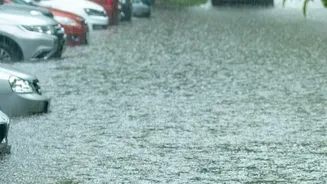
A Yellow alert is a call for vigilance. It typically signifies the possibility of heavy rainfall (between 64.5 mm and 115.5 mm in 24 hours). While widespread disruption is not expected, it can cause localised waterlogging and minor travel delays. When a Yellow alert is active, it’s wise to keep an eye on official forecasts through the day. Allow for extra travel time, carry an umbrella or raincoat, and check your route for potential waterlogging before you leave home. It's about being cautious and informed, not alarmed.
Orange Alert: Be Prepared for Disruption
An Orange alert signals a higher level of danger and a need to be prepared. This is issued when 'heavy to very heavy' rainfall is expected, generally between 115.6 mm and 204.4 mm. The potential for flooding, traffic chaos, and power cuts is significant. Under an Orange alert, you should reconsider non-essential travel. Secure loose items outside your home, like balcony furniture. It's also a good time to ensure your emergency kit is stocked and your mobile devices are fully charged in case of a power outage.
Red Alert: Take Immediate Action
A Red alert is the most urgent warning and requires you to take immediate action to protect yourself and your family. It is issued for 'extremely heavy' rainfall, where accumulations are expected to exceed 204.5 mm in 24 hours. This level of rain can cause severe flooding, landslides, and widespread damage to property and infrastructure, posing a significant threat to life. During a Red alert, avoid all non-essential travel and stay indoors. Follow instructions from local authorities, which may include evacuating from low-lying or vulnerable areas. Keep your emergency kit, important documents, and medications handy. Do not attempt to walk or drive through flooded areas.
Essential Apps for Real-Time Updates
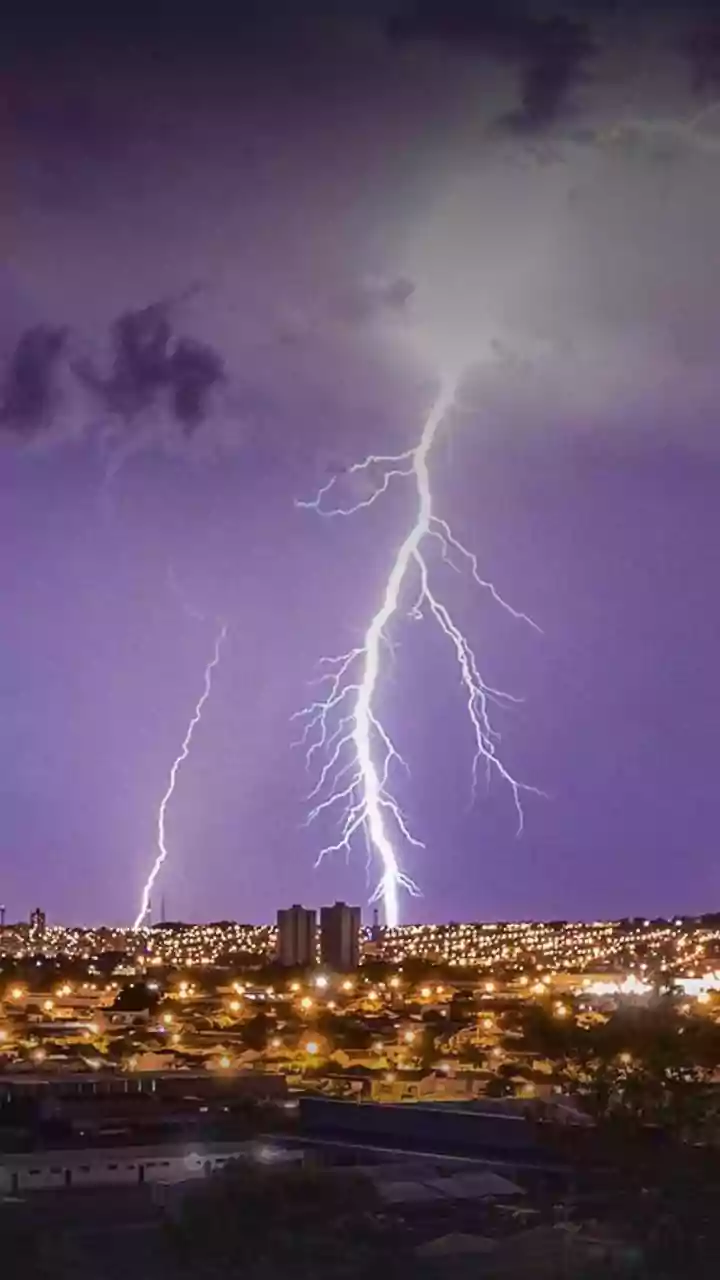
Technology has made it easier than ever to receive these crucial warnings. The IMD offers several official mobile apps. 'Mausam' is the department's primary app, providing current weather information, forecasts, and warnings for your location. For farmers, the 'Meghdoot' app offers weather-based agricultural advice. Another key app is 'Damini,' which provides early warnings for lightning strikes. Downloading these apps and enabling notifications ensures you receive timely and authentic alerts directly from the source, helping you make safer decisions.