


Understanding the 'Processed' Spectrum
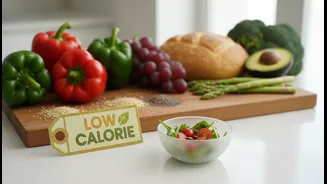
Not all processing is created equal. The term covers a wide range of treatments, from basic safety measures to complex industrial formulations. Minimally processed foods, like canned beans or frozen vegetables, are simply whole foods preserved at their
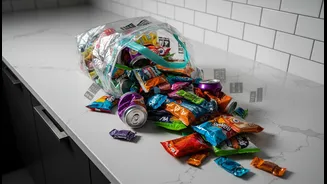
peak. Even bagging spinach or roasting nuts is a form of processing. These foods retain most of their nutritional integrity. On the other end is 'ultra-processed.' These items often contain long lists of ingredients not typically found in a home kitchen, such as emulsifiers, flavour enhancers, and artificial colours. They are engineered to be hyper-palatable and have a long shelf life, but often at the cost of nutrition.
Reading Labels Like a Pro
The key to navigating the grocery store is to ignore the flashy claims on the front of the package and head straight for the back. A good rule of thumb is the 'kitchen cupboard' test: if the ingredient list contains items you couldn't buy on their own to cook with, it’s likely ultra-processed. Look for a short ingredient list where you recognize everything. If sugar, refined grains, or hydrogenated oils are among the first three ingredients, it's a sign the product is less nutritious. Also, be wary of hidden sugars (maltose, corn syrup) and excessive sodium.
The Powerhouses of the Pantry
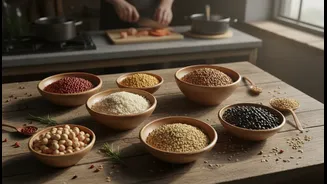
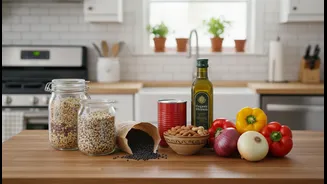
A healthy pantry is built on a foundation of nutrient-dense, minimally processed staples. These items provide the building blocks for countless healthy meals, saving you from last-minute takeout decisions. Canned and dried beans, lentils, and chickpeas are excellent sources of plant-based protein and fiber. Canned fish like salmon and tuna offer valuable omega-3 fatty acids. Whole grains such as oats, quinoa, and brown rice provide sustained energy. Don't forget nuts and seeds for healthy fats and a satisfying crunch. Canned tomatoes, vegetables in water, and fruits in their own juice are also fantastic to have on hand.
Building Your Healthy Shelf
Think of stocking your pantry in terms of meal components. For proteins, grab canned tuna, salmon, chicken, and a variety of beans like black beans and chickpeas. For carbohydrates, stock up on brown rice, quinoa, whole-wheat pasta, and rolled oats. For vegetables, low-sodium canned tomatoes, corn, and peas are incredibly versatile. Healthy fats can include olive oil, nut butters (with no added sugar), and various nuts and seeds like almonds and chia seeds. With these items, you're always just a few minutes away from a balanced meal, like a quick bean chili, a hearty grain bowl, or a simple tuna salad.