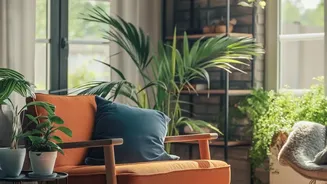







The Golden Rules for Happy Plants
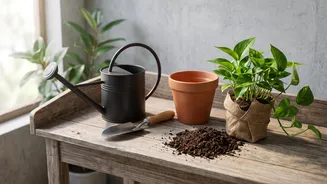
Before you even buy a plant, understand these three core principles. First, more plants have been lost to overwatering than neglect. Always check the soil; if the top inch is dry, it's time to water. Second, understand your light. Watch where the sun
falls in your home throughout the day. A plant that needs bright, indirect light will not survive in a dark corner. Finally, use pots with drainage holes. This prevents water from pooling at the bottom, which can cause root rot, one of the most common killers of houseplants.
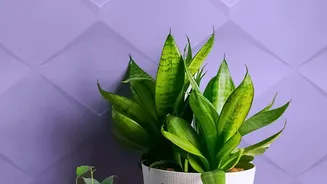
The Snake Plant: Almost Indestructible
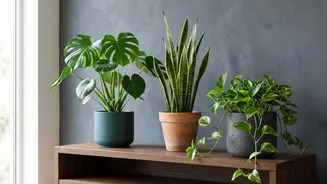
The Snake Plant, or Sansevieria, is the ultimate beginner's companion. Its stiff, architectural leaves make a modern statement, and it's famous for its ability to tolerate a wide range of conditions. It thrives on neglect, preferring its soil to dry out completely between waterings. It is also adaptable to low light, making it perfect for bedrooms and office corners. As an added bonus, it produces oxygen at night, which can help purify the air while you sleep.
The ZZ Plant: For the Forgetful Gardener
With its glossy, dark green leaves, the Zamioculcas zamiifolia, or ZZ Plant, looks sophisticated but asks for very little in return. It is exceptionally drought-tolerant because it stores water in its underground rhizomes, meaning it can handle infrequent watering. If you travel often or are prone to forgetting your watering can, this is the plant for you. It does well in low to medium indirect light and is generally unfussy about its environment, making it a stellar choice for adding greenery to dimmer spaces in your home.
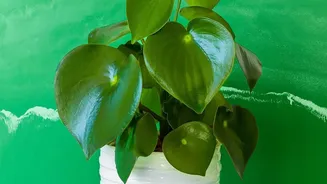
The Money Plant: A Versatile Favourite
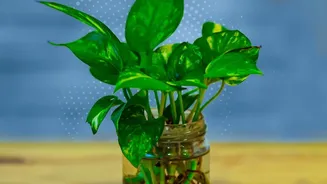
Known as Pothos or Devil's Ivy, the Money Plant is a staple in many Indian homes for good reason. This trailing vine is incredibly versatile and can grow in soil or just a bottle of water. It's known for its hardiness and ability to withstand varied Indian weather conditions. Its heart-shaped leaves look beautiful cascading from hanging baskets or shelves. The Money Plant is very communicative; its leaves will droop slightly when it's thirsty. It prefers bright, indirect light but can tolerate lower light levels, though its growth may slow.
The Spider Plant: The Great Propagator
The Spider Plant (Chlorophytum comosum) is a forgiving and fun choice for newcomers. Its arching leaves and the 'spiderettes' or baby plants that dangle from the mother plant make it visually interesting. These plantlets can be easily snipped off and propagated to create new plants, which is incredibly rewarding for a new plant parent. It prefers bright, indirect light but adapts to lower light conditions. It's also an excellent air purifier, known for filtering common indoor pollutants.
The Peace Lily: Elegant and Air-Purifying
The Peace Lily (Spathiphyllum) is prized for its elegant dark green leaves and beautiful white blooms. It’s a great communicator, as its leaves will dramatically droop when it needs water, taking the guesswork out of your watering schedule. It recovers quickly once hydrated. This plant prefers medium to low light and helps remove toxins like benzene and formaldehyde from the air, making your home healthier. Its graceful appearance can bring a sense of calm to any room.