


Mawsmai Cave, Meghalaya: The Accessible Marvel
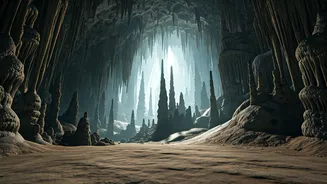
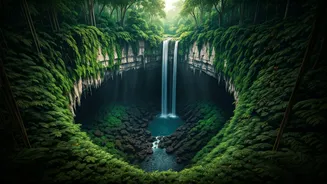
The Abode of Clouds is famous for its living root bridges and roaring waterfalls, but its underworld is just as impressive. While many of Meghalaya's extensive cave systems become treacherous during the rains, Mawsmai Cave near Cherrapunji offers a safe
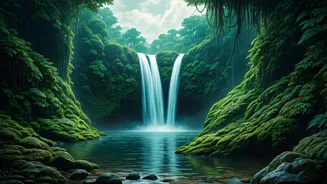
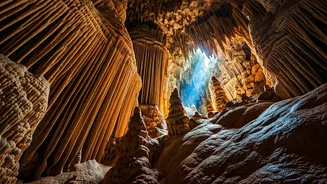
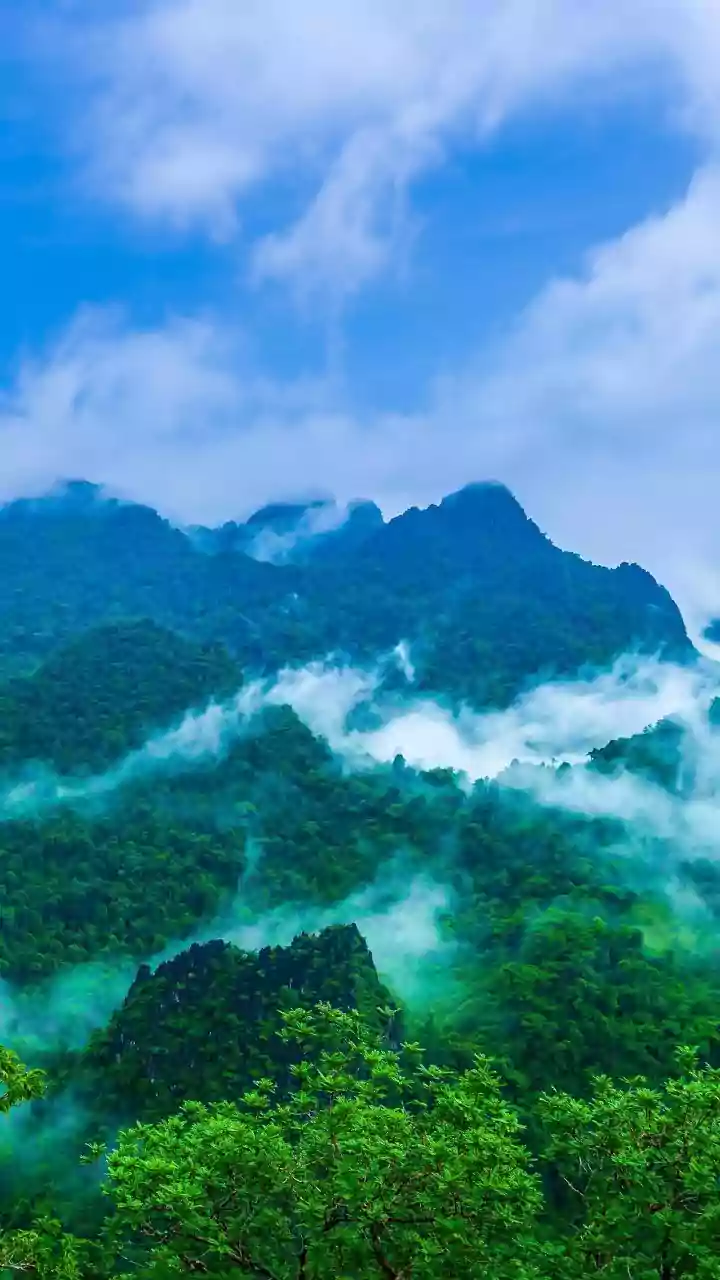
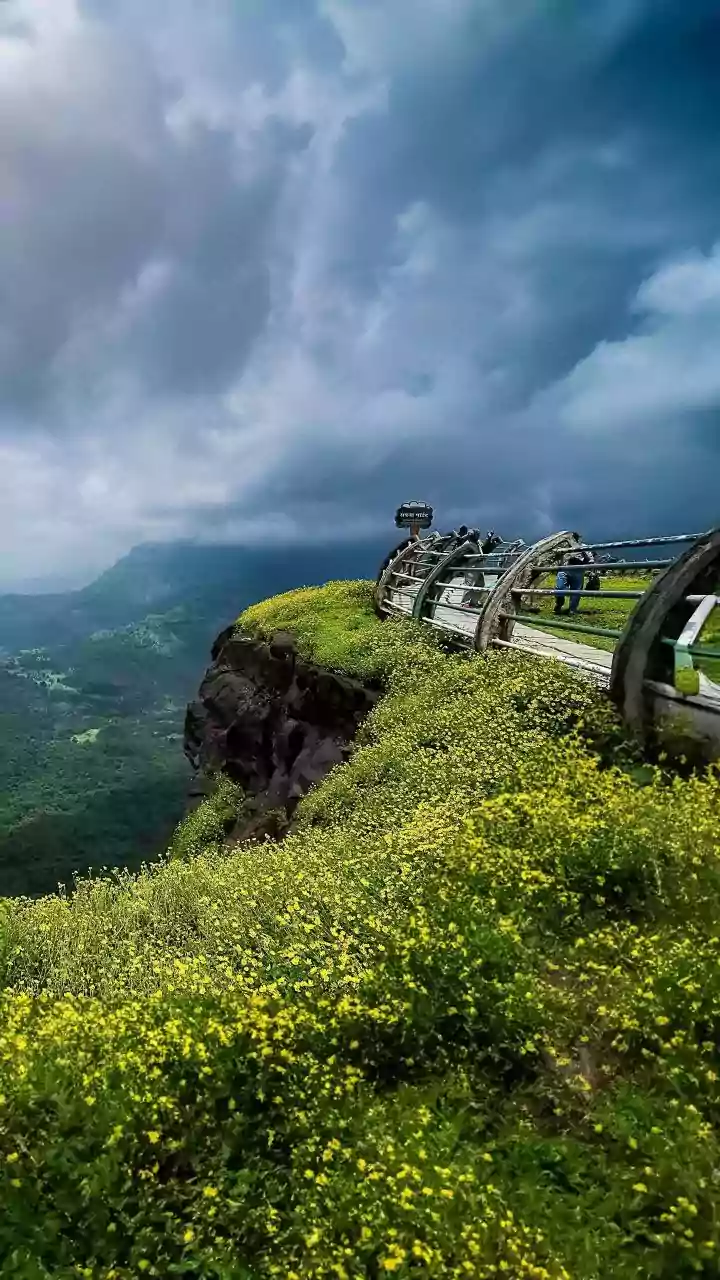
and stunning introduction. A well-lit, tourist-friendly section allows for an easy walk through chambers filled with fascinating stalactites and stalagmites. The real monsoon magic, however, is the journey. Driving through misty hills and landscapes so green they almost glow makes the entire experience otherworldly. Inside, the cool, damp air is a constant, but emerging back into the lush, rain-washed scenery is a seasonal reward unique to the monsoon.
Badami Cave Temples, Karnataka: A Divine Escape
Carved from the soft red sandstone cliffs surrounding the Agastya Lake, the Badami Cave Temples are a masterclass in 6th-century Chalukya architecture. This UNESCO World Heritage site consists of four main caves, each a rock-cut shrine dedicated to different Hindu and Jain deities. Visiting during the monsoon transforms the site. The rain washes the rock-cut sculptures, highlighting their intricate details and giving them a fresh, vivid appearance. The red hue of the cliffs contrasts dramatically with the vibrant green foliage, and the lake below swells with rainwater, creating breathtaking reflections. With fewer tourists and moody skies, it's a spiritual journey back in time, amplified by the season's atmosphere.
Borra Caves, Andhra Pradesh: Geological Grandeur
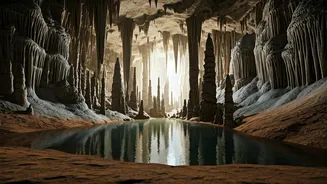
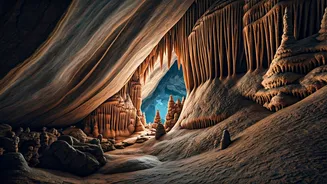
Deep in the Ananthagiri hills of the Araku Valley lie the Borra Caves, a geological spectacle of immense proportions. These are some of the largest and deepest caves in India, featuring breathtaking karstic limestone formations that have evolved over millions of years. The Gosthani River, which flows through the caves, is more pronounced during the monsoon, adding a dynamic, auditory element to the visit. Getting there is half the adventure. The scenic train journey from Visakhapatnam, especially in a Vistadome coach, offers spectacular views of misty valleys, gushing waterfalls, and lush coffee plantations. Inside, colourful lighting illuminates the stalactites and stalagmites, which local lore has shaped into mythological figures and deities.
Ajanta & Ellora, Maharashtra: Rock-Cut Sanctuaries
While not strictly subterranean, these magnificent rock-cut temples are carved deep into volcanic basalt cliffs, creating awe-inspiring man-made caverns. Both are UNESCO World Heritage sites and offer a profound glimpse into India's artistic and religious history. Ajanta’s 30 caves are renowned for their ancient Buddhist paintings, while Ellora’s 34 caves feature an incredible mix of Hindu, Buddhist, and Jain architecture. The monsoon is arguably the best time to visit. The oppressive heat of summer gives way to pleasant coolness, the crowds are thinner, and the entire landscape is draped in a thick carpet of green. Waterfalls cascade down the rock faces near the caves, creating a serene and mystical environment that perfectly complements the ancient art held within.