





Understanding Extraction Basics
When you brew coffee, you are performing an extraction. This is the process of hot water dissolving the soluble compounds within the coffee grounds, pulling out the acids, sugars, oils, and other elements that create the flavour and aroma in your cup.
Brewing time is simply how long the water is in contact with the coffee. In the world of espresso, this process happens in a matter of seconds under high pressure. Getting the timing right is crucial because different flavour compounds extract at different rates. Early in the brew, bright, acidic notes are released. Sweetness and more complex flavours follow, while bitter compounds tend to come out last. The goal is to stop the process at the perfect moment to create a balanced, strong, and flavourful shot.
The Golden Rule: 25 to 30 Seconds
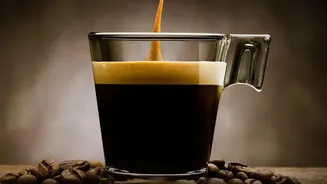
For most home baristas, a great starting point for a standard double espresso shot is a brewing time of 25 to 30 seconds. This is not a rigid law but a widely accepted guideline that often produces a well-balanced shot. This timing is typically measured from the moment you start the machine's pump until you reach your desired liquid yield in the cup. For a common 1:2 brew ratio, this would mean using 18 grams of ground coffee to produce about 36 grams of liquid espresso. This 25-30 second window is considered the sweet spot where you have likely extracted enough sweetness to balance the natural acidity, without yet pulling out the harsh, bitter flavours.
Too Fast: The Sour Shot
If your espresso shot finishes in less than 25 seconds, it is likely under-extracted. This happens when the water flows through the coffee grounds too quickly, not allowing enough time to dissolve the desirable sweet compounds. The result is a coffee that often tastes unpleasantly sour, sharp, and thin or watery. It might have a weak body and a hollow flavour that leaves you feeling like something is missing. The most common cause for a fast shot is a grind that is too coarse. The larger coffee particles create less resistance, allowing water to rush through without performing a full extraction.
Too Slow: The Bitter Shot
Conversely, if your shot takes much longer than 30-35 seconds, it is probably over-extracted. This occurs when the water is in contact with the coffee for too long, causing it to pull out an excess of bitter and astringent compounds. An over-extracted espresso will taste harsh, dry, and unpleasantly bitter, masking the coffee's more delicate and sweet notes. This is often caused by a grind that is too fine. The tiny coffee particles pack together too tightly, creating too much resistance and slowing the water flow to a crawl. This prolonged contact time is what leads to the bitter, burnt flavours.
How to Adjust Your Brewing Time
Taste is your ultimate guide, but the primary tool for controlling your brewing time is your coffee grinder. Because time is a result of how fast water flows through the coffee, you need to adjust the resistance, which is mainly determined by grind size. If your shots are running too fast and tasting sour, you need to slow the water down. You do this by adjusting your grinder to a slightly finer setting. If your shots are running too slow and tasting bitter, you need to let the water flow more freely by adjusting the grinder to a slightly coarser setting. When dialling in your espresso, it's best to change only one variable at a time. Keep your dose (the amount of dry coffee) and your yield (the amount of liquid espresso) consistent, and make small adjustments to your grind until you hit that 25-30 second window and, most importantly, a taste you enjoy.