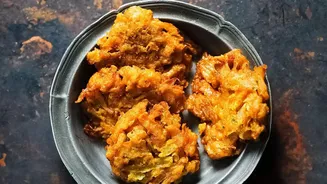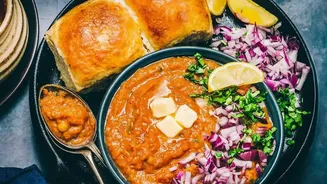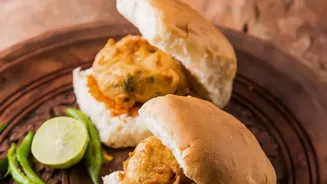


The magic of a perfect vada pav lies in contrasts: the spicy potato filling against the soft pav, and most importantly, the pillowy vada encased in a shatteringly crisp besan shell. But how is that flawless, non-greasy crunch achieved?
The Anatomy of a Perfect Coating
At its heart, the
vada pav's coating is a simple batter of besan (gram flour), water, salt, and a few key spices like turmeric and chilli powder. The goal is to create a protective layer that crisps up instantly in hot oil, steaming the potato filling inside while forming a crunchy exterior. A great coating doesn't just taste good; it provides the essential textural contrast that defines the snack. Too thick, and it becomes doughy and heavy. Too thin, and it fails to properly encase the vada, turning greasy and falling apart in the fryer.
Secrets to Ultimate Crispiness
The secret to an exceptionally crisp coating lies in a few key details. First, the oil temperature is crucial; it should be hot enough (around 175-185°C) so the batter sizzles and rises immediately. If the oil is too cool, the batter will absorb it and turn soggy. Second, many expert cooks and street vendors add a small amount of a secondary flour to their besan. Two to three tablespoons of rice flour or cornstarch mixed into the besan can dramatically increase crispness. These starches have a lighter structure and absorb less oil, creating a more delicate, brittle crust that stays crunchy for longer. A tiny pinch of baking soda, added just before frying, also helps by creating small air bubbles that lighten the batter's texture.
Getting the Batter Consistency Right
Achieving the ideal batter consistency is an art. It should be smooth and completely free of lumps. The perfect texture is often described as being able to coat the back of a spoon, dripping off in a thick, steady ribbon. It should not be runny like a crepe batter or thick like a paste. A good practice is to add water gradually while whisking continuously. After mixing, letting the batter rest for 10-20 minutes allows the besan to fully hydrate, resulting in a smoother, more cohesive coating that clings better to the potato ball. Some even suggest whisking vigorously for a few minutes to incorporate air, which naturally lightens the final product.
Common Mistakes and Easy Fixes
One of the most common frustrations is a greasy vada. This is almost always caused by the oil not being hot enough when the vada is dropped in. Another issue is the batter sliding off the potato ball during frying. This often happens if the potato filling is too moist or still warm. To prevent this, ensure your mashed potato mixture has cooled completely before you shape the balls and dip them in the batter. Another pro tip is to lightly dust the potato balls in dry besan or rice flour before dipping them into the wet batter, which helps it adhere much better.
Creative Coating Variations to Try
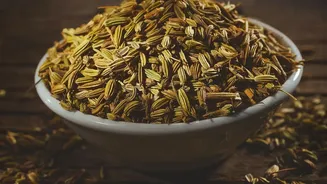
While the classic besan coating is beloved, there's room for delicious experimentation. For added flavour and a subtle crunch, try adding a teaspoon of ajwain (carom seeds) or jeera (cumin seeds) to the batter. For a different kind of texture, a tablespoon of fine rava (semolina) can be mixed in with the besan and rice flour. This provides a grittier, more robust crunch. For those who enjoy extra spice, finely chopped green chillies or a pinch of garam masala can be added directly to the batter, infusing the coating itself with another layer of flavour. The key is to maintain the core batter ratio while introducing these new elements.