



The Foundation: 'Complete and Balanced'
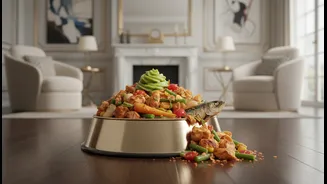
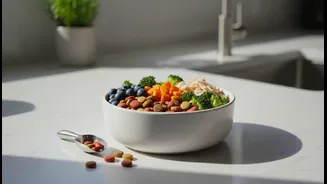
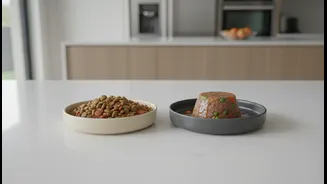
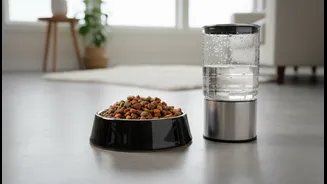
Before we even get to treats, it's crucial to understand the foundation of your pet’s diet: their main meal. Whether it's kibble, wet food, or a fresh diet, the most important phrase to look for on the packaging is 'complete and balanced'. This statement,
often backed by organisations like the Association of American Feed Control Officials (AAFCO), means the food contains all the necessary nutrients—proteins, fats, carbohydrates, vitamins, and minerals—in the correct ratios for your pet's life stage (puppy/kitten, adult, or senior). This balanced meal should make up the vast majority of their caloric intake, forming the bedrock of their overall health.
The 10% Rule for Treats
Here's the golden rule agreed upon by veterinarians: treats should make up no more than 10% of your pet’s total daily calorie intake. This includes everything from training rewards and dental chews to the little piece of chicken that 'accidentally' falls from the dinner table. Exceeding this limit can quickly unbalance their carefully formulated diet and lead to weight gain. Obesity in pets is a serious issue, increasing the risk for conditions like diabetes, arthritis, and heart problems. To follow the rule, you need to know your pet’s daily calorie needs—your vet can help you calculate this—and then check the calorie count on treat packages.
Decoding 'Gourmet' Meals
The term 'gourmet' on pet food can be alluring, often conjuring images of premium, human-grade ingredients. While many brands in this category do use high-quality meats, fresh vegetables, and novel proteins, it's important to know that 'gourmet' is largely a marketing term, not a regulated nutritional standard. Some 'gourmet' meals may be designed as an occasional tasty topper or a special meal, rather than a 'complete and balanced' everyday food. When considering these products, always check the label for that crucial nutritional adequacy statement. A truly high-quality food, whether it calls itself 'gourmet' or not, will be transparent about its ingredients and have the research to back up its health claims.
Healthy Treat Alternatives
Treating your pet doesn't have to mean feeding them high-calorie, processed snacks. Many healthy alternatives are likely already in your kitchen. For dogs, items like baby carrots, green beans, apple slices (without seeds), and blueberries are excellent low-calorie options. For cats, small pieces of cooked, unseasoned meat or fish like chicken or tuna are a great choice. You can even use a portion of their regular daily kibble as rewards during training; they often won't know the difference and will be just as happy for the attention and reward. These simple swaps can keep the fun in treating without the extra calories.
Showing Love Beyond the Food Bowl
It's easy to equate food with love, but overfeeding is a risk to your pet's health. Fortunately, there are countless non-food ways to show affection and strengthen your bond. Extra playtime with a favourite toy, a longer walk in the park, a dedicated grooming session, or simply some focused cuddle time can be just as rewarding for your pet as a food treat. Using puzzle feeders or snuffle mats for their regular meals can also provide mental stimulation and turn feeding time into an enriching activity. Remember that what your pet often craves most is your time and attention, and those rewards are always calorie-free.