






The 'Shoulder Season' Secret
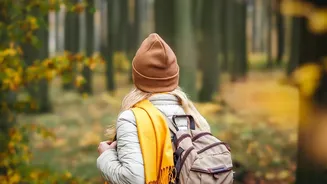
For years, Indian travel calendars were dictated by summer holidays and the year-end rush. That is changing. The period from September to November, once a quiet patch, is now emerging as a prime travel window. This 'shoulder season' offers a compelling
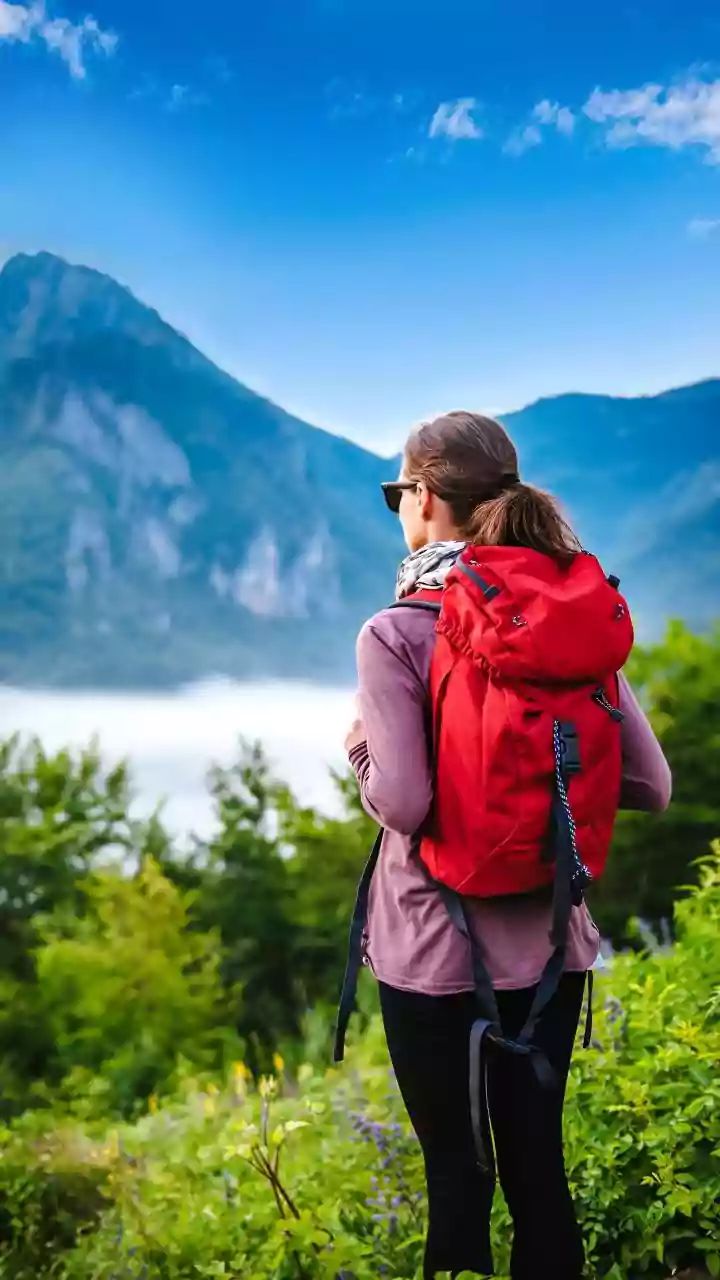
mix of benefits: the weather is often at its most pleasant, the overwhelming crowds of summer have disappeared, and prices for flights and hotels are noticeably lower. It’s a chance to experience popular destinations at a more relaxed and authentic pace, transforming a good vacation into a great one without the stress of peak-season travel. This shift allows travellers to focus more on experiences, from cultural immersion to outdoor adventures, rather than just ticking off landmarks.
Europe's Golden Hues and Milder Days
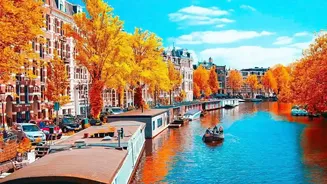
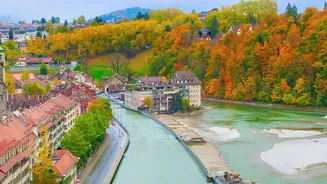
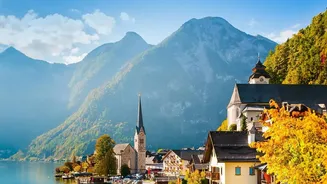
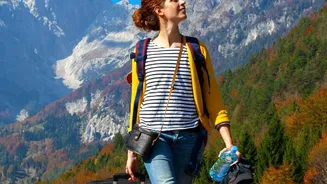
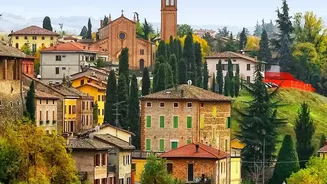
Autumn casts a magical spell over Europe, making it ideal for exploration. In Southern Europe, countries like Italy and Spain shed the intense heat of summer, offering mild, sunny days perfect for strolling through historic cities or exploring coastlines like the Amalfi Coast without the tourist crush. Central Europe is a spectacle of colour. Germany’s Bavaria, with its fairytale castles like Neuschwanstein, is framed by forests of gold and orange. In France, the romance of Paris is amplified by moody skies and leaf-strewn streets, while the wine regions celebrate the end of the harvest. For those seeking breathtaking landscapes, the Julian Alps in Slovenia and the Scottish Highlands offer dramatic scenery, crisp air, and tranquil hiking trails. With fewer people, you spend less time in queues and more time soaking in the culture, whether it's enjoying a coffee in a Viennese cafe or a boat ride on Lake Bled.
Asia's Post-Monsoon Perfection
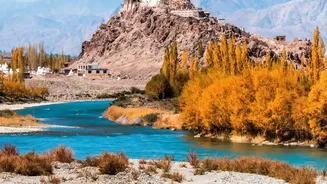
While Europe dazzles with foliage, Asia offers its own unique autumn allure as pleasant, dry weather returns to many regions. Japan is a prime example, where the national pastime becomes 'momijigari' or 'leaf-peeping'. Cities like Kyoto are transformed as temple gardens and mountainsides blaze with shades of scarlet and gold. In Southeast Asia, northern Vietnam is a great choice as the skies clear and the countryside is lush and green after the rains. Thailand also sees fewer crowds, and its rice paddies glow a vibrant green, creating an idyllic backdrop for cycling and exploring villages. For trekkers, the post-monsoon season in Nepal (October-November) brings clear skies and spectacular views of the Himalayas, making it the best time for routes to Everest Base Camp or the Annapurna circuit. Closer to home, Kerala becomes a paradise as the monsoon recedes, leaving the backwaters lush and the weather comfortable.
Smarter Spends, Richer Experiences
One of the most significant advantages of autumn travel is the financial relief. Airlines and hotels often reduce their prices to attract travellers after the summer peak, with savings on accommodation sometimes reaching 25-60%. This allows your budget to stretch further, meaning you could upgrade your hotel, extend your stay, or simply spend more on unique local experiences. This trend is not just about saving money; it's about getting better value. Travellers are increasingly planning trips around specific interests like culinary trails in Italy, wildlife safaris in Africa, or attending cultural festivals. The lower costs and smaller crowds of the shoulder season make these passion-driven holidays more accessible and enjoyable.