

The 2026 midterm elections are over, but the questions about America's role in the world are just beginning. With a newly configured Congress, analysts are trying to determine what this means for US foreign policy under a lame-duck president.
A New Balance of Power in Washington
The 2026
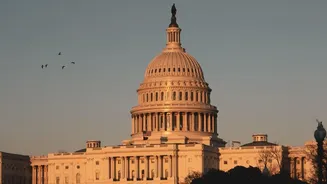
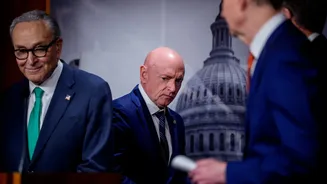
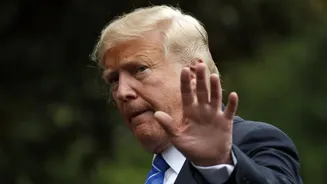
midterm elections delivered a sharp rebuke to the Republican party, with Democrats winning control of both the House and the Senate. This historic shift was fueled by widespread voter frustration over the cost of living, which many linked directly to President Trump's foreign policy—specifically his trade tariffs and the ongoing war with Iran. While a president traditionally retains significant authority over foreign affairs, a Democrat-controlled Congress now holds the power of the purse and oversight, setting the stage for two years of potential gridlock and intense negotiation. Analysts note this creates an unpredictable environment where President Trump may be constrained on some fronts but could become more assertive on others to cement his legacy.
The Future of 'America First'
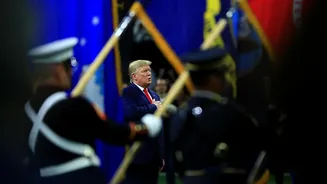
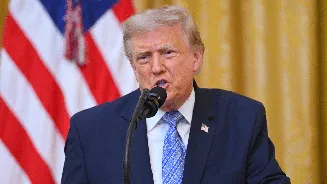
Donald Trump’s 'America First' approach has been a defining feature of his presidency, prioritizing transactional relationships over traditional alliances. This ideology, marked by a skepticism of international organizations and a preference for bilateral deals, remains deeply influential within the Republican party. The key question analysts are watching is whether the GOP, in the wake of its midterm losses, will distance itself from the more unpopular aspects of this policy—like costly trade wars and alienating allies—or double down. Some Republicans may see political value in challenging Trump on certain foreign policy moves, while others may remain loyal, creating a schism within the party as it looks toward the 2028 presidential election.
Alliances, Ukraine, and NATO
A major area of focus for analysts is the future of US support for its traditional allies, particularly within NATO and regarding aid to Ukraine. While many Republicans have supported Ukraine, President Trump's approach has often been more ambiguous, putting pressure on Kyiv and even easing some sanctions on Russia. A Democrat-led Congress is expected to push for more robust support for Ukraine and may use its budget authority to ensure funding and enforce sanctions against Russia. However, without a veto-proof majority, their ability to fundamentally alter the president's course may be limited. European allies, while perhaps relieved by the election results, remain wary, understanding that a president determined to act unilaterally on the world stage still holds considerable power.
The China Equation
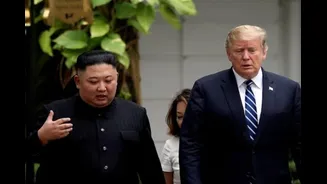
The relationship with China remains one of the most critical and complex aspects of US foreign policy. While there is a bipartisan consensus in Washington on the need to be tough on China, the approaches differ. Analysts are watching to see if a Democrat-controlled Congress will temper President Trump's liberal use of tariffs, which have been a cornerstone of his China strategy. Congressional leaders may push for a more strategic, multilateral approach, working with allies to counter Beijing's influence. However, Trump's focus on bilateral trade deals and his transactional diplomacy with Chinese President Xi Jinping could continue, especially as he seeks foreign policy wins in his final two years. The issue of Taiwan also remains a potential flashpoint, with Congress likely to push for stronger support for the island, potentially creating friction with a White House that may see it as a bargaining chip.
Middle East and Trade Policy Tensions
The war with Iran was a significant factor for voters in the midterms, with a majority viewing the military action as a mistake. The new Congress will likely use its oversight and appropriations powers to scrutinize and potentially restrict funding for the conflict. Despite this, some analysts believe President Trump could still escalate actions in the Middle East during the lame-duck period before the new Congress is seated. On trade, the 'America First' policy has often meant a preference for tariffs over free trade agreements. While Congress may try to reassert some of its authority, especially to provide relief for constituents hit hard by trade wars, President Trump is unlikely to give up his favorite economic tool easily.