







The Rhythm of the Walk
Brisk walking is a cornerstone of cardiovascular fitness, celebrated for its simplicity and accessibility. As you pick up the pace, your breathing naturally deepens to supply your muscles with oxygen. For most, this is an automatic process. However, bringing
conscious awareness to it can transform the activity. By synchronising your breath with your steps—for instance, inhaling for three steps and exhaling for three—you create a steady rhythm. This practice, sometimes called 'Breathwalk', not only improves lung capacity and endurance but also turns a simple walk into a form of active meditation. Focusing on the repetitive pattern of breath and movement helps clear the mind of chatter, reducing stress and leaving you feeling mentally refreshed.
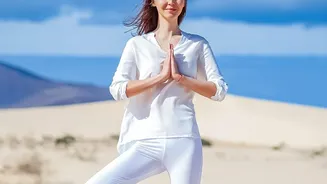
The Conscious Breath of Yoga
In yoga, breathing is not just a supporting function; it is a central pillar of the practice itself. Known in Sanskrit as 'pranayama', or the control of life force energy, yogic breathing involves specific, intentional techniques. Unlike the often automatic breathing during a walk, pranayama is a deliberate tool used to influence the body and mind. Techniques like Ujjayi ('Ocean Breath') create a gentle sound that focuses the mind during postures, while Nadi Shodhana ('Alternate Nostril Breathing') is designed to calm the nervous system and balance the body's energy. This conscious regulation of breath has been shown to directly impact the nervous system, helping to reduce stress and anxiety by signalling safety and calm to the brain.
Cardiovascular Health: A Shared Goal
When it comes to heart health, brisk walking is a clear winner for aerobic conditioning, effectively raising your heart rate and improving circulation. It's a proven method for reducing the risk of cardiovascular disease. However, yoga is not to be underestimated. Research has shown that a regular yoga practice can provide similar benefits in reducing risk factors for heart disease as activities like brisk walking, including improvements in blood pressure and cholesterol levels. While a gentle Hatha class may be less aerobically intense, more dynamic styles like Vinyasa or Power Yoga can certainly elevate the heart rate, offering a solid cardiovascular workout.
Mind-Body Connection: Two Paths to Calm
Both activities are excellent for mental well-being, but they achieve it through different mechanisms. The rhythmic nature of mindful walking can induce a meditative state, releasing endorphins that boost your mood. It's a practice of being present in your body as you move through your environment. Yoga, on the other hand, offers a more direct and potent method for stress reduction through pranayama. Specific breathing techniques can activate the parasympathetic nervous system, responsible for the body's 'rest and digest' response, effectively lowering levels of the stress hormone cortisol. This makes yoga particularly powerful for managing anxiety and improving emotional stability.
Which Practice is Right For You?
Choosing between brisk walking and yoga depends entirely on your personal wellness goals. If your primary objective is cardiovascular fitness, calorie burn, and an easily accessible outdoor activity, brisk walking is an outstanding choice. If you are seeking to improve flexibility, build overall strength, improve balance, and find deep mental calm, yoga is unparalleled. However, the two practices are not mutually exclusive. In fact, they complement each other perfectly. A routine that includes brisk walking for heart health and yoga for strength, flexibility, and stress management can offer a holistic approach to well-being, covering nearly all aspects of physical and mental fitness.