

Why Drainage Is King During Monsoon
The constant rain and high humidity of the Indian monsoon mean soil stays wet for much longer. While water is essential, roots also need oxygen to breathe and function. When soil is saturated with water, these air pockets disappear, effectively suffocating
the roots. This creates the perfect environment for fungal diseases like root rot to take hold. By the time you see yellowing leaves or a drooping plant, the damage below the soil might already be severe. Prioritising drainage isn't just a suggestion; it’s the single most effective way to protect your plants from the biggest threat they face in August.
A Quick Check-Up for Potted Plants
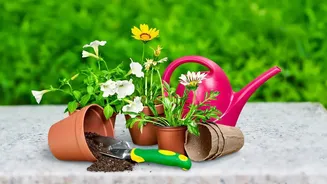
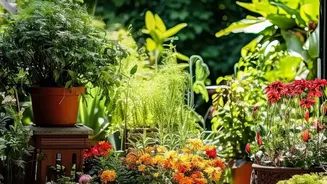
For anyone with a balcony, terrace, or container garden, a simple check can make all the difference. Lift each pot to ensure its drainage holes are clear and not blocked by compacted soil or roots. If water isn't flowing out freely, gently poke the holes with a stick to clear them. Also, never let your pots sit in trays or saucers filled with water. This stagnant water is a primary cause of root rot and a breeding ground for mosquitoes. Elevating pots on bricks, tiles, or dedicated plant stands is an excellent way to improve both drainage and air circulation underneath.
Building a Better Foundation with Soil
Your first line of defence against waterlogging is the soil mix itself. Heavy garden soil, which is common in many parts of India, compacts easily with heavy rain, squeezing out air. To prevent this, create a lighter, more porous potting mix. A simple and effective recipe is to combine garden soil with equal parts of compost and an aerating material like cocopeat or coarse sand. Cocopeat helps retain just enough moisture while allowing the excess to drain, while sand improves porosity. For plants in the ground, amending the soil with organic matter can improve its structure, and creating raised beds is a highly effective strategy to keep roots above the soggiest ground.
Rethinking Your Watering Routine
It might seem odd to think about watering when it's raining, but the monsoon often includes dry spells. The key is not to stick to a fixed schedule. Overwatering is one of the leading causes of root rot during this season. Before you reach for the watering can, always perform the 'finger test' by pushing your finger an inch or two into the soil. If it feels damp, wait another day. Only water when the top layer of soil is actually dry. This simple habit prevents you from adding more water to already saturated soil, giving the roots a chance to breathe.
Other Essential Monsoon Care
With drainage sorted, a few other tasks will keep your garden thriving. The high humidity is a magnet for pests like snails, slugs, and fungus gnats. Ensure there is good air circulation between your plants by not crowding them together. Regularly prune any yellow, broken, or diseased leaves and stems to prevent infections from spreading. This is also a good time to replenish nutrients that heavy rains may have washed away. Apply a mild, balanced organic fertiliser like compost or vermicompost, but avoid feeding plants that are already stressed or showing signs of rot. A preventive spray of diluted neem oil every 10-15 days can also help keep pests at bay.