



The Problem with Professional Photos
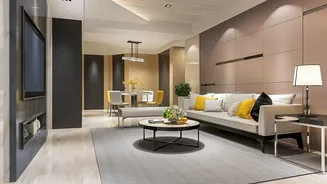
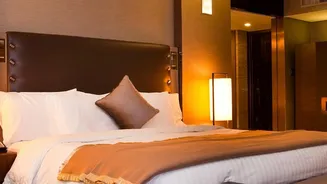
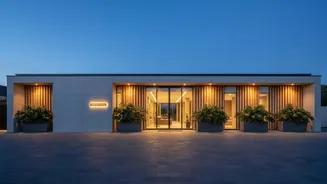
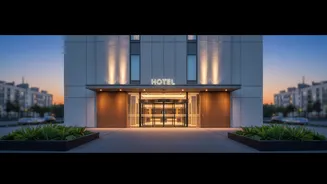
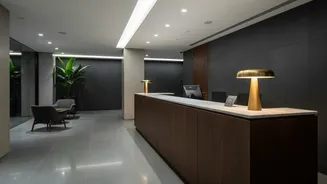
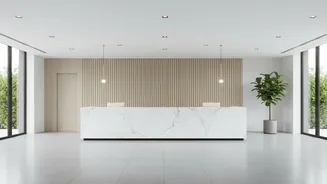
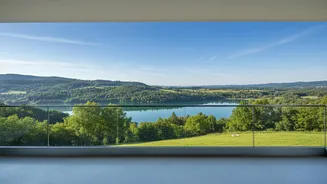
Hotel photos are designed to sell an experience. Photographers use techniques like wide-angle lenses to make rooms appear more spacious and professional lighting to create a warm, inviting glow. Some images may be years old, failing to show the natural
wear and tear a room endures. These pictures showcase a room in its best possible light, often staged with props that won't be there when you arrive. While not always intentionally deceptive, these photos present an idealized version of reality. The goal is to make you imagine a perfect stay, but it can set expectations that the actual room can't meet.
Decoding Vague Room Categories
Hotels use a hierarchy of room names, but these terms are not standardized across the industry. A 'Deluxe Room' at one hotel might be what another calls 'Superior' or even 'Standard'. Generally, 'Standard' is the basic offering. 'Superior' often implies a slight upgrade, perhaps more space or a better location within the hotel, like a higher floor. 'Deluxe' usually signals a more significant enhancement, such as premium furnishings, better views, or upgraded amenities. However, without concrete details, these labels are just marketing. Don't assume a fancier name guarantees a significantly better room.
Focus on Facts, Not Fluff
To make an informed choice, ignore the alluring names and dig into the specifics. The most reliable details are the objective ones. Look for the room's exact size in square metres or square feet. This number gives you a true sense of the space you're paying for. Next, carefully review the list of amenities. Does the room have a bathtub or just a shower? Is there a balcony? Does it come with a coffee machine? Also, check the bed configuration. A 'double room' might have one double bed, while a 'twin room' has two single beds. These factual details are far more valuable than any subjective category title.
Harness the Power of Guest Photos
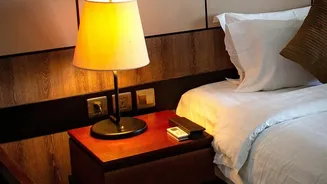
One of the best tools at your disposal is the gallery of photos uploaded by previous guests on review sites like TripAdvisor and other booking platforms. These unfiltered snapshots provide a much more realistic impression of the room. You can see the actual size without the distortion of a wide-angle lens, check the condition of the furniture, and get a true sense of the view. While one bad photo isn't a dealbreaker, if you see consistent evidence of small, dark, or poorly maintained rooms across multiple guest reviews, it’s a significant red flag.
Read Between the Lines of Reviews
Beyond photos, written reviews from recent guests are a goldmine of information. Pay attention to comments that mention specifics you care about. Are there complaints about noise from the street or hallway? Do people mention the comfort of the bed or the water pressure in the shower? These are details that professional photos will never reveal. Look for recurring themes. If multiple reviewers praise the cleanliness but complain about slow Wi-Fi, you have a good idea of the hotel's strengths and weaknesses. This user-generated intelligence helps you build a complete picture before you commit.