







The Power of a Simple Walk
The design of our cities directly influences how much we move. For decades, many urban areas were developed with cars, not people, in mind. This has led to a greater reliance on vehicles, even for short trips, contributing to a more sedentary lifestyle
and rising rates of noncommunicable diseases. Creating 'walkable' cities is a powerful public health intervention. This involves building and maintaining safe, continuous footpaths, which are often obstructed or non-existent in many Indian cities. When streets are designed for pedestrians, it encourages 'active mobility'—walking or cycling as a mode of transport. This simple shift promotes physical activity, reduces air pollution from vehicle emissions, and can lead to better health outcomes, including a lower risk of obesity and cardiovascular issues. Studies have shown that well-designed footpaths not only make people feel safer but also effectively encourage a shift away from polluting vehicles.
Finding Nature in the Concrete Jungle
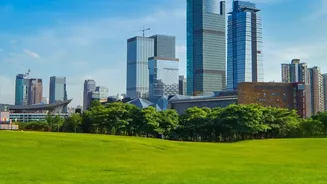
Modern urban life is often associated with chronic stress and a disconnect from the natural world. Integrating green spaces into our cities is one of the most effective ways to combat this. These spaces—ranging from large parks and playgrounds to residential gardens and even street-side trees—offer profound benefits for both mental and physical health. Access to nature reduces stress, improves mood, and enhances cognitive function. Greenery helps mitigate the 'urban heat island' effect, improves air quality by filtering pollutants, and provides shaded, pleasant areas for recreation and socialising. Research consistently shows a positive link between exposure to green space and overall well-being, with studies noting reduced symptoms of anxiety and depression. These natural oases foster a sense of community by providing a place for interaction, which can reduce feelings of loneliness and isolation.
The Rise of the 15-Minute City
Imagine a neighbourhood where your office, your child's school, the grocery store, a doctor's clinic, and a park are all within a 15-minute walk or bike ride from your home. This is the core idea behind the '15-minute city,' an urban planning concept gaining traction worldwide. The goal is to create compact, mixed-use communities where residents can access their daily necessities without relying on a car. This model directly enhances quality of life by reducing stressful, time-consuming commutes. In the Indian context, where many cities are organically evolving into 'mini pocket cities' with clustered amenities, there's a huge opportunity to formalise this trend through deliberate planning. By ensuring that essential services are close at hand, cities can promote healthier lifestyles, reduce traffic congestion, and strengthen local economies by supporting neighbourhood businesses.
Designing for Social Connection
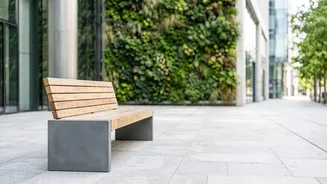
A healthy city is also a socially connected one. The physical design of our communities can either encourage or inhibit social interaction. Long, monotonous blocks, a lack of public seating, and streets that prioritise fast-moving traffic can make people feel isolated. In contrast, well-designed public spaces, such as plazas, welcoming storefronts, and community centres, provide natural opportunities for people to meet and interact. These interactions are crucial for mental health, helping to build a sense of belonging, reduce loneliness, and create stronger, more resilient communities. When people feel connected to their neighbourhood and their neighbours, they are more likely to feel safe and engaged. Thoughtful community design that fosters these connections is as important for our mental well-being as clean air is for our physical health.