






More Than Just a Hobby
At its heart, this trend is a compelling fusion of two powerful millennial drivers: a search for mindful, tangible skills and a rising tide of climate consciousness. The pandemic-era baking boom has matured. What started as a way to pass the time has evolved
into a genuine craft for many. Now, that craft is being infused with purpose. Younger consumers are increasingly aware of how their choices impact the planet. This isn't just about reducing a personal carbon footprint; it's about taking control in a world of overwhelming environmental challenges. Sustainable baking offers a small but significant sphere of influence, turning the kitchen into a space for positive action. This generation is putting more thought into the food they eat, seeking out sustainably produced ingredients and ways to reduce waste.
Good for the Planet, and the Wallet
While the movement is rooted in eco-consciousness, its rapid adoption is also fueled by sharp economic sense. Zero-waste isn't just an environmental principle; it's a financial strategy. In the face of rising costs in major Indian cities, millennials are rediscovering the frugal wisdom that has long been a part of Indian kitchens. The ethos of using every part of an ingredient—turning vegetable peels into crispy snacks, using citrus peels for flavourings, and repurposing stale bread—resonates deeply. Adopting zero-waste practices can significantly reduce food costs. Buying staples like flour and grains in bulk, planning meals to avoid excess purchases, and creatively using leftovers are all techniques that save money while cutting down on packaging and food waste. This approach makes sustainability accessible and practical, not just a luxury for a few.
The Aesthetic of Sustainability
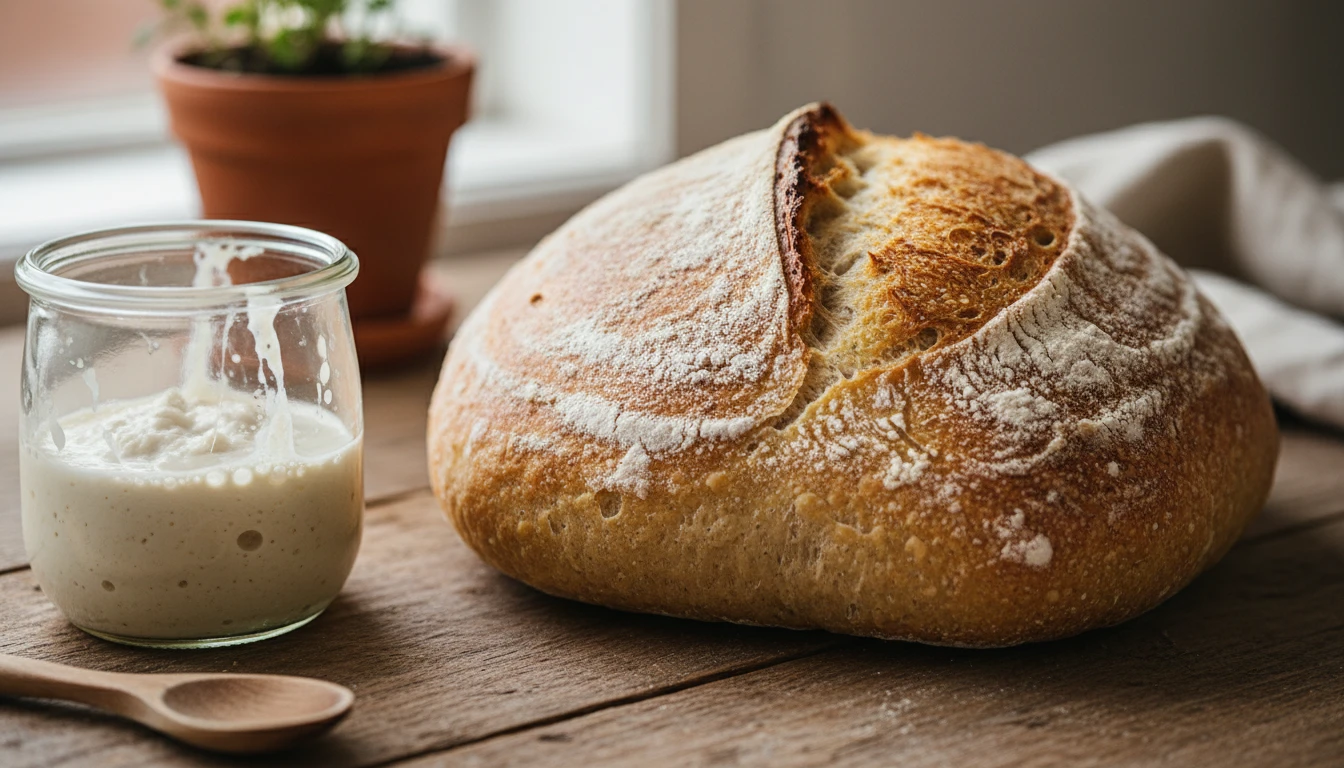
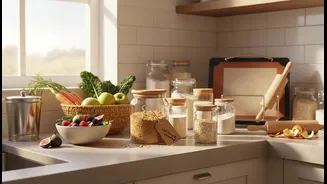
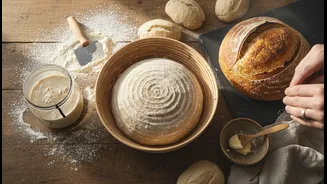
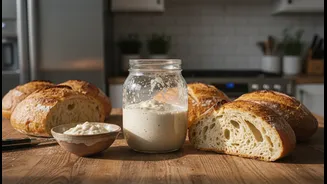
Let’s be honest: the trend is also incredibly photogenic. Social media platforms have become a crucial catalyst, transforming sustainable practices into a desirable aesthetic. The rustic charm of a sourdough loaf made with local grains, the vibrant colours of natural food dyes made from beetroot powder, or the simple elegance of storing ingredients in repurposed glass jars all contribute to a powerful visual narrative. For many millennials, sharing these creations is a form of social currency, a way to signal their values and skills. This visual appeal helps spread the trend rapidly, introducing concepts like 'root-to-stem' cooking and DIY ingredients like homemade brown sugar or baking powder to a wider audience. It proves that sustainable living doesn't have to be about deprivation; it can be beautiful, creative, and aspirational.
A Modern Twist on Indian Kitchens
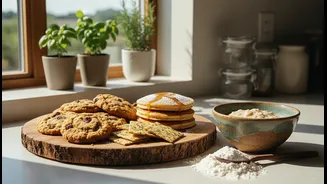
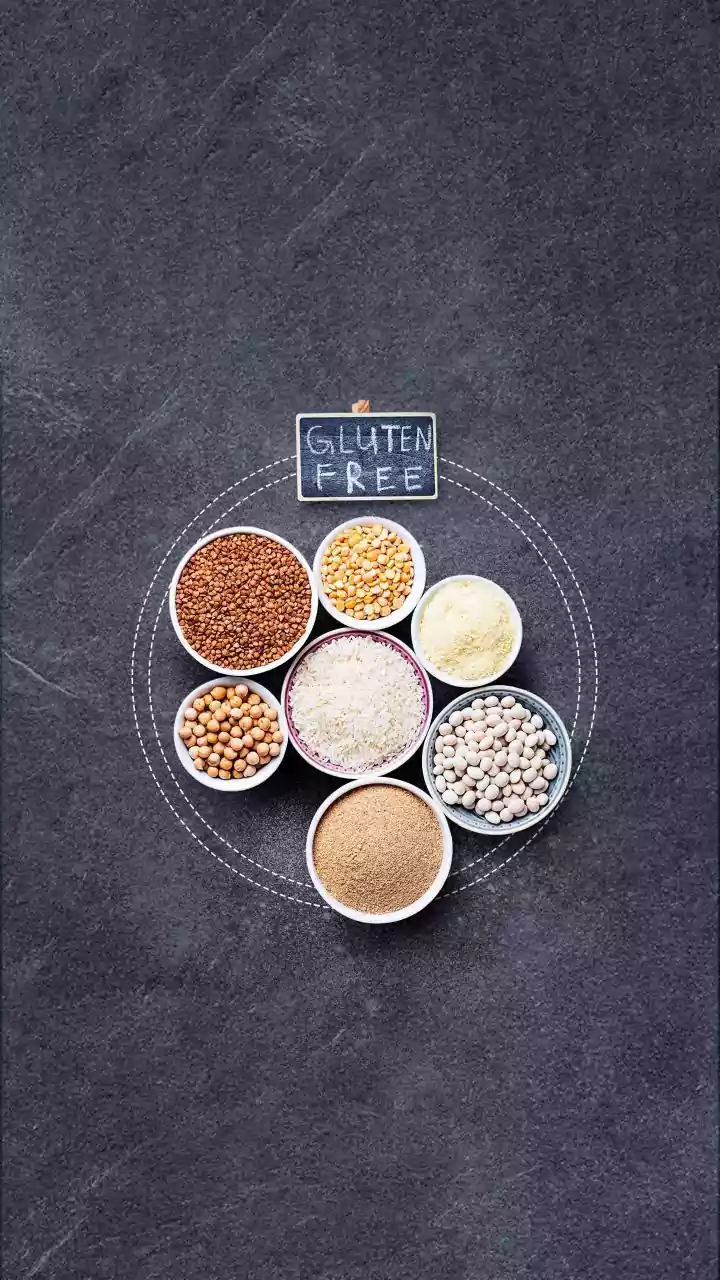
This isn't just a Western trend repackaged for India. It's about blending global ideas with local traditions. Urban millennials are reimagining traditional Indian flavours and ingredients within a modern baking context. There's a growing movement away from refined flour (maida) and towards healthier, indigenous grains like ragi, jowar, and bajra. These ancient millets are now starring in brownies, cookies, and breads, prized for their nutritional benefits and unique flavours. This fusion baking connects a global interest in health and sustainability with a rediscovery of Indian culinary heritage. It’s about making a cardamom-infused banana bread or a jaggery-sweetened coconut cake, creating something that feels both new and deeply familiar. This shift reflects a desire for authenticity and a connection to one's roots, even while living a fast-paced, modern urban life.