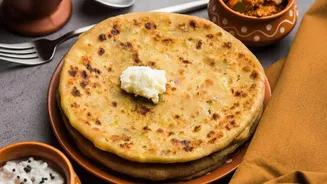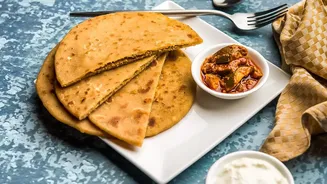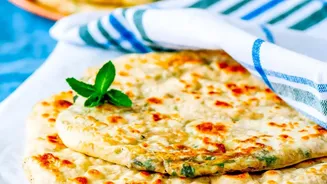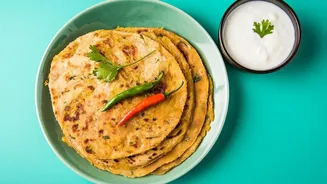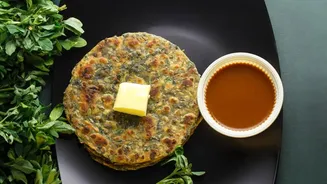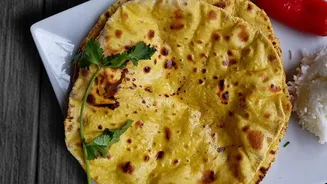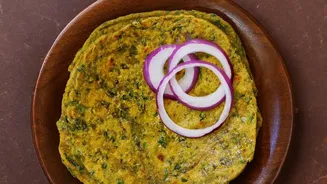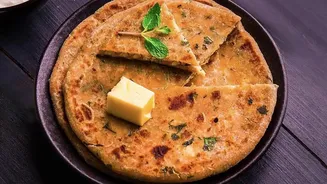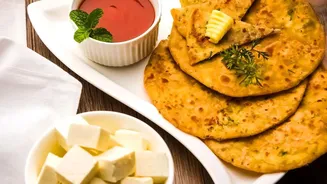

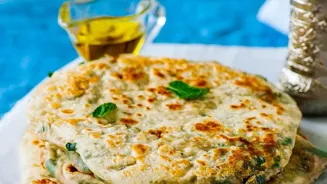
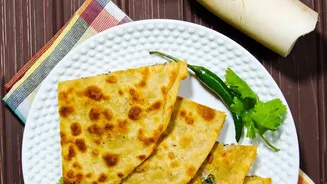
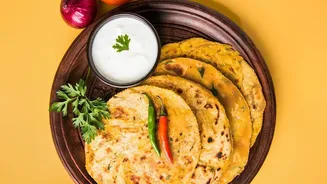
Craving a warm, wholesome breakfast that is both delicious and incredibly healthy? This Jowar Mooli Paratha is the perfect answer. It's a nutritious, gluten-free flatbread that combines earthy jowar with the fresh crunch of radish.
A Healthy Twist on a Winter Classic
Parathas are a beloved
staple in Indian households, but this recipe offers a significant nutritional upgrade. By swapping traditional wheat flour for jowar (sorghum), you get a flatbread that is naturally gluten-free and packed with benefits. Jowar is rich in dietary fibre, which aids digestion, helps in managing blood sugar levels, and keeps you feeling full for longer. It's also a good source of protein, iron, and essential minerals like magnesium and phosphorus. The addition of mooli, or radish, makes it even better. Mooli is a low-calorie vegetable loaded with Vitamin C, fibre, and antioxidants. It is known to support digestion and add a refreshing, slightly peppery flavour that perfectly complements the nutty taste of jowar. Together, these ingredients create a paratha that is not just comforting but also wonderfully good for you.
Gathering Your Everyday Ingredients
The beauty of this recipe lies in its simplicity. You won't need to hunt for special items; most of these ingredients are likely already in your pantry and refrigerator. For about 4-5 parathas, you will need: Jowar (Sorghum) Flour: 1.5 cups Mooli (Radish): 1 cup, grated Green Chillies: 1-2, finely chopped (adjust to your spice preference) Ginger: 1 teaspoon, freshly grated Coriander Leaves: 2 tablespoons, finely chopped Ajwain (Carom Seeds): ½ teaspoon Turmeric Powder: ¼ teaspoon Red Chilli Powder: ½ teaspoon (optional) Salt: To taste Warm Water: For kneading the dough Ghee or Oil: For cooking
Step-by-Step Guide to Perfection
Making these parathas is straightforward. Follow these steps for a soft, delicious result every time. 1. Prepare the Mooli: Start by placing the grated mooli in a bowl. Sprinkle a little salt over it and set it aside for about 10-15 minutes. This will cause the radish to release its excess water. Squeeze the grated mooli firmly with your hands to remove as much water as possible. This step is crucial to prevent the dough from becoming too sticky. 2. Make the Dough: In a large mixing bowl, combine the jowar flour, the squeezed mooli, chopped green chillies, grated ginger, coriander leaves, ajwain, turmeric powder, red chilli powder, and salt. Mix all the dry ingredients well. Now, gradually add warm water and begin to knead. Using warm water helps create a softer, more pliable dough, which is important for gluten-free flours like jowar. Knead for a few minutes until you have a smooth, soft dough. 3. Roll the Parathas: Divide the dough into equal-sized balls. Since jowar flour lacks gluten, it can be tricky to roll. A great technique is to place a dough ball between two sheets of parchment paper or on a clean, wet cloth and gently press or roll it into a circle of about 4-5 inches in diameter. Don't make them too thin, as they might break. 4. Cook the Parathas: Heat a tawa (griddle) over medium heat. Carefully place a rolled paratha on the hot tawa. Let it cook for about a minute until you see the top change colour slightly. Flip it over, apply a little ghee or oil, and cook the other side. Flip again, apply ghee to the first side, and press gently with a spatula until golden-brown spots appear on both sides. The paratha should be cooked through and slightly crisp on the outside.
Tips for the Softest Jowar Parathas
Working with jowar flour can be a new experience for many. Here are a few tips to ensure success: Don't skip the warm water. It is essential for a soft dough that doesn't crack easily. Knead the dough while it is still slightly warm for the best texture. Patting with your hands on parchment paper is often easier and more effective than using a rolling pin if you are new to jowar flour. Cook on a medium-hot tawa. If the tawa is too hot, the paratha will burn on the outside before it cooks through. If it's not hot enough, the paratha will become hard. Add other vegetables like finely chopped spinach (palak), fenugreek leaves (methi), or grated carrots for extra nutrition and flavour.