

Gear Up Beyond the Umbrella
An umbrella is a fine starting point, but it won't stand up to the persistent drive of a Western Ghats downpour. A good quality waterproof rain jacket and rain pants are non-negotiable. Unlike a poncho, a jacket offers better mobility for treks and keeps
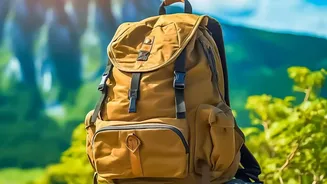
you warmer. Your choice of footwear is equally critical. Regular sneakers or sports shoes become dangerously slippery and waterlogged. Invest in a pair of trekking shoes with deep lugs for excellent grip on muddy trails and slippery rocks. To protect your electronics and a spare set of dry clothes, use dry bags or sacks inside your main backpack. This simple step ensures that no matter how wet you get, you'll have something warm and dry to change into. Quick-dry clothing, ideally made of synthetic materials, is another game-changer as cotton takes forever to dry in the high humidity.
Choose Your Monsoon Haven Wisely
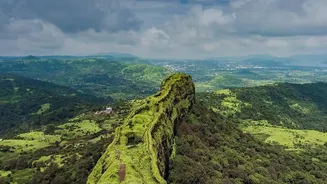
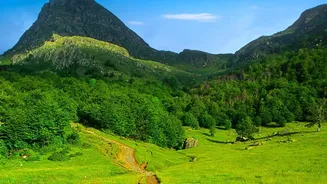
The Western Ghats stretch across several states, each offering a different monsoon flavour. Destinations like Munnar in Kerala, with its iconic tea plantations, and Coorg in Karnataka, known for its coffee estates, are perfect for those who want to enjoy the rain from a cozy homestay with stunning views. For the more adventurous, the Sahyadri range in Maharashtra offers a plethora of fort treks like Rajmachi and Visapur, which become incredibly scenic during the rains. However, always check local conditions before you travel. Heavy monsoon can lead to road closures and restrictions. Some areas might be prone to landslides, so heeding advice from local authorities is crucial. Destinations like Periyar Tiger Reserve in Kerala are known to keep their trekking routes open even in heavy rain, offering a dependable option for enthusiasts.
The Art of the Monsoon Trek
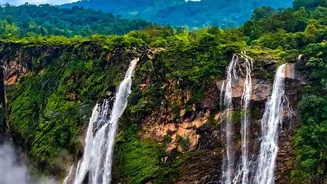
Trekking in the monsoon is a rewarding challenge. The trails are less crowded, and the landscape is at its vibrant best. However, it requires a specific mindset and preparation. Leeches are an unavoidable reality on forest trails in the Ghats. While harmless, they can be a nuisance. Carrying leech socks or a small pouch of salt is the standard defence among experienced trekkers. Always go with a local guide or an experienced group, as familiar trails can look completely different and more hazardous when wet. Flash floods are a real risk, so if a stream you are crossing suddenly becomes murky or rises, move to higher ground immediately. The reward for this diligence is immense: access to cascading waterfalls, lush shola forests, and the profound silence of the mountains, broken only by the sound of rain.
Health, Safety, and Slowing Down
Staying safe is paramount. Always carry a basic first-aid kit with antiseptic, bandages, and any personal medications. Drink only bottled or purified water to avoid waterborne illnesses, and be cautious about street food, which can be a source of contamination during the rains. Beyond the practicalities, embracing the monsoon spirit means slowing down. The rain encourages a different pace of travel. It’s a time for long conversations over a hot cup of tea, reading a book by the window, and enjoying local monsoon delicacies. Many travellers are now discovering unique experiences like guided frog walks in Agumbe or firefly trails in the Sahyadris, which only happen during this season. These activities connect you to the ecosystem in a deeper, more meaningful way.