





The Price of a Basic Thali
To understand household spending, a single home-cooked meal is a powerful indicator. According to the latest 'Roti Rice Rate' report from CRISIL, the cost of a typical vegetarian thali saw a 10% year-on-year increase in September 2026, rising to ₹30.8
from ₹28.1 the previous year. On a monthly basis for a family of four, with two meals a day, this alone translates to roughly ₹7,400, forming the bedrock of the food budget before even accounting for breakfast, snacks, or other cooking essentials.
Grains and Pulses: The Foundation
The foundation of most Indian meals — grains and pulses — has seen significant price pressure. Rice prices have climbed approximately 8% year-on-year due to concerns over paddy production, which is expected to decline. Pulses, a critical protein source, have also become more expensive. Tur (arhar dal) wholesale prices, for example, have jumped by as much as 47% in some markets compared to the previous year, with retail prices nearing ₹128 per kg nationally. Concerns over deficient rainfall in key growing states like Maharashtra and Karnataka, coupled with a weaker rupee making imports costlier, have contributed to this surge. For a family of four, the monthly bill for staples like atta, rice, and a variety of dals can easily range from ₹2,500 to ₹3,500.
The Volatile Vegetable Basket
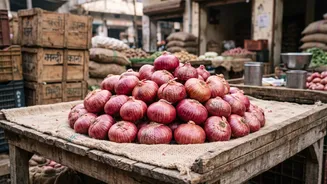
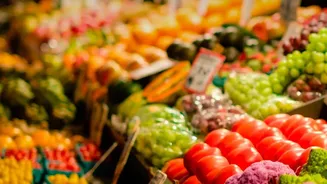
No part of the grocery budget is more volatile than fresh vegetables. Onions, a cornerstone of Indian cooking, have led the price surge. In September 2026, onion prices skyrocketed by 89% year-on-year, jumping from ₹28 to ₹53 per kg on average. This was attributed to tight supplies from the previous rabi harvest and a delayed kharif crop due to a poor monsoon. Garlic and lemon have also seen massive price hikes in some areas, rising by 150% and 263% respectively in markets like Nagpur. While some vegetables like potatoes have remained stable or even seen a price drop, the overall cost is up. A family's monthly vegetable and fruit budget can fluctuate wildly, but estimates place it between ₹1,500 and ₹2,500, with frequent trips to the local mandi being a key cost-saving strategy.
Flavour and Fuel: Spices, Oils, and LPG
The costs of flavouring and cooking food have also climbed, adding another layer of expense. Edible oil prices rose around 12% year-on-year in September, influenced by global geopolitical uncertainties and concerns over palm oil production. Furthermore, the cost of a domestic LPG cylinder remained 10% higher than the previous year, directly impacting the cost of every meal prepared at home. Basic spices, while purchased less frequently, have not been immune to inflation, with essentials like ginger surging over 70%. Cumulatively, the monthly expenditure on cooking oil, gas, and a standard set of spices can add ₹800 to ₹1,200 to a family's budget.
The Bigger Picture: What's Driving the Rise?
Several factors are converging to push up the cost of a basic vegetarian diet. An erratic monsoon and the El Niño weather pattern have impacted crop yields for staples like pulses and vegetables. At the same time, global factors, including higher crude oil prices, disrupt transport and supply chains, increasing the landed cost of imported goods like edible oils. With festive season demand adding further pressure, economists expect food inflation to remain elevated in the near term. This leaves the average household navigating a landscape of rising prices, where every trip to the grocery store requires a careful balancing act.