





Embrace the Vertical
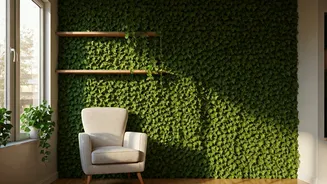
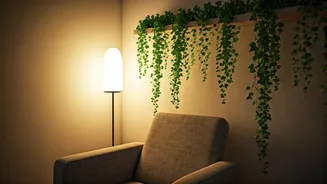
In a small space, every square inch of floor is precious. This is where trailing plants like ivy, pothos (money plant), or philodendrons become your best friends. Instead of occupying valuable floor or table space, they cascade downwards from shelves,
window sills, or hanging baskets. This simple trick does something magical for the eye: it draws it upwards and downwards, creating a sense of height and dimension that makes a room feel larger and more dynamic. The flowing lines of the vines soften the hard angles of walls and furniture, instantly injecting a sense of organic, natural calm into a boxy room. It’s an effortless way to add life and texture without adding clutter.
Choose Your Green Companion
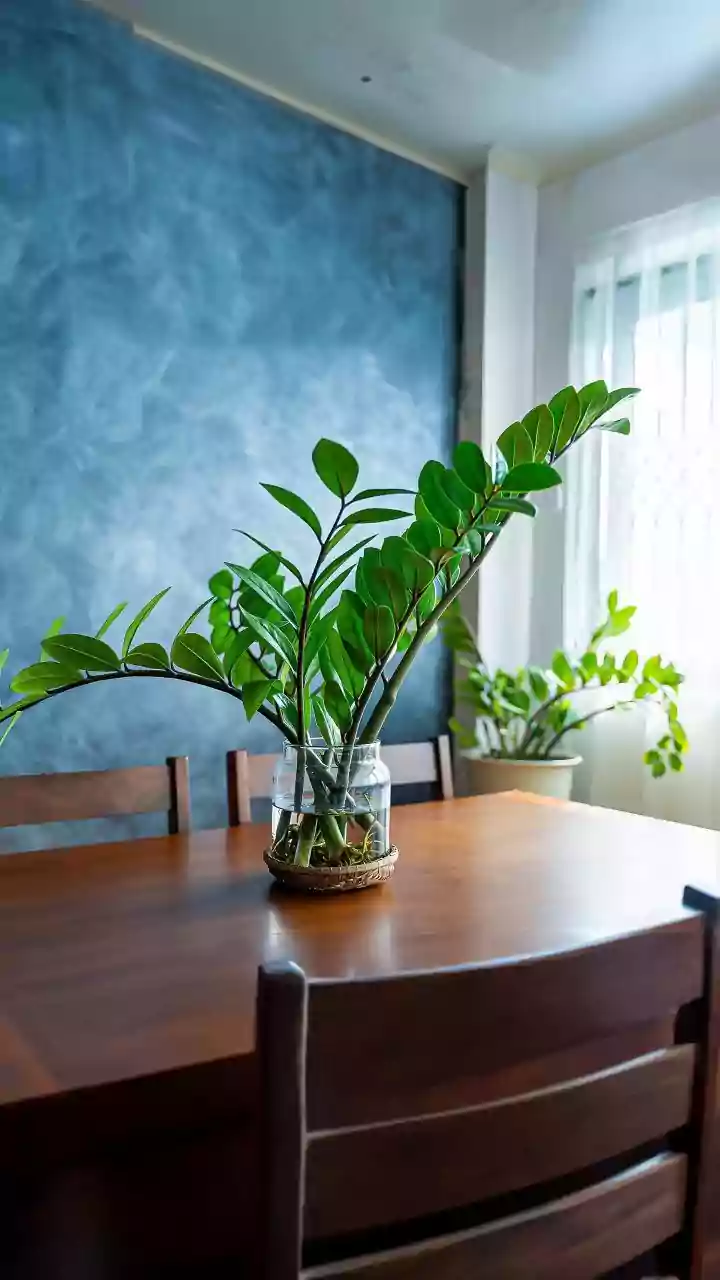
You don’t need a green thumb to succeed. The key is choosing hardy, low-maintenance plants that thrive indoors. The Golden Pothos, or Money Plant, is practically a national treasure in Indian homes for this very reason. It’s incredibly forgiving, tolerates a wide range of light conditions, and its variegated leaves are beautiful. Similarly, the Heartleaf Philodendron is another robust choice with lovely, heart-shaped leaves that drape beautifully. For a different texture, consider a Spider Plant, which sends out 'pups' on long stems, creating a wonderful cascading effect. These plants not only survive but often flourish with minimal fuss, making them perfect for busy city dwellers who want the beauty of nature without the high commitment.
The Language of Light
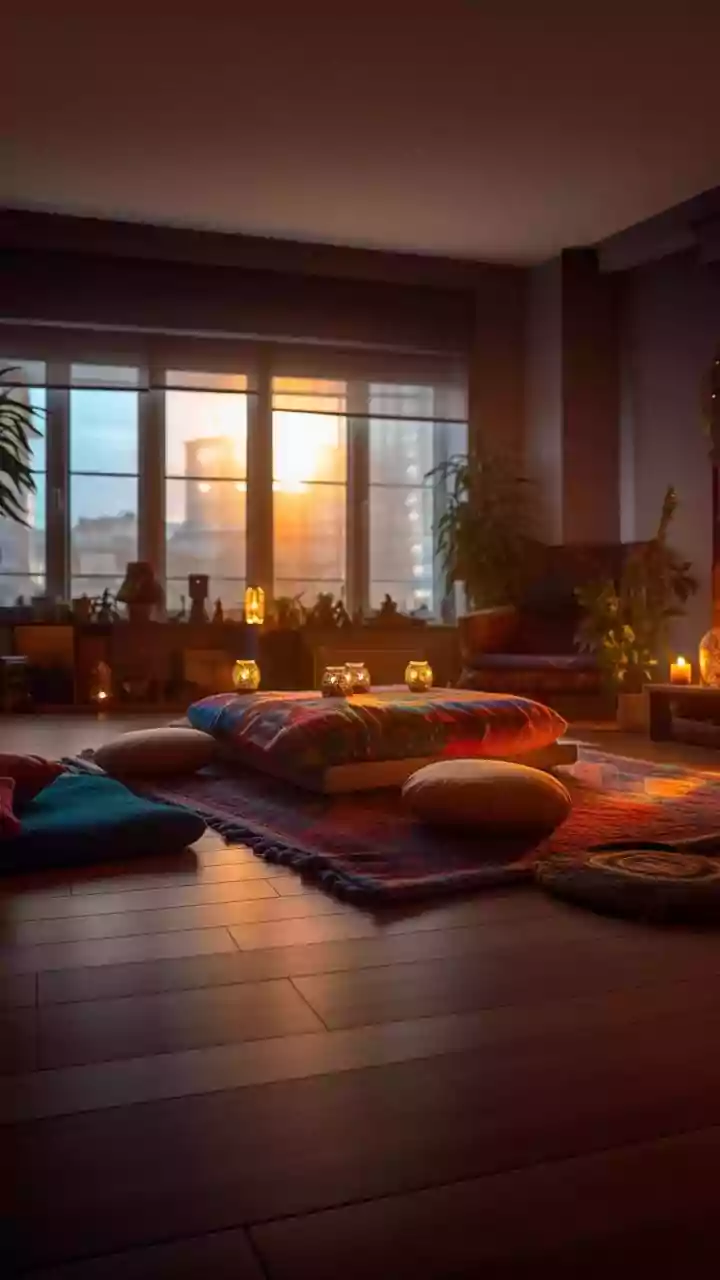
Good lighting is the secret weapon of interior design, and in a studio, it’s non-negotiable. Forget the single, harsh overhead ceiling light. The goal is to create 'light pockets'—pools of warm, inviting light that define different zones within your single room. This is achieved through layered lighting. You need a mix of ambient (general), task (for specific activities like reading), and accent (to highlight features) lighting. In a studio, a floor lamp in a corner can create a reading nook, while a small table lamp on a side table can designate a lounge area. The aim isn't to illuminate the entire room brightly, but to strategically light parts of it, leaving other areas in softer shadow. This contrast is what creates depth and intimacy.
Finding the Perfect Glow
The 'soft' in soft lighting comes from the colour temperature of your bulbs. Look for bulbs that produce a warm white light, typically in the 2700K to 3000K (Kelvin) range. This mimics the gentle glow of late-afternoon sun or candlelight, which our brains associate with relaxation and comfort. Avoid cool, blue-toned lights (above 4000K) for your living areas, as they can feel clinical and stark. Installing a dimmer switch is a game-changer, allowing you to adjust the intensity of your main lights from functional brightness to a moody glow. Lampshades are also crucial; fabric or paper shades diffuse light beautifully, eliminating harsh glare and casting a soft, even radiance that’s easy on the eyes.
Bringing It All Together
Now, combine the two elements. Place a floor lamp behind a large potted plant, letting the light filter through its leaves to cast intriguing shadows on the wall. Position a small, directional spotlight to shine upwards into the foliage of a trailing plant on a high shelf, turning it into a living sculpture. Drape a string of delicate fairy lights intertwined with the ivy along a bookshelf. This synergy is where the magic happens. The light doesn't just illuminate the plant; it interacts with it. The plant doesn't just add greenery; it shapes and softens the light. Together, they turn a neglected corner into the most appealing spot in the room—a purpose-built sanctuary for unwinding.