


Why Ditch Refined Flour and Sugar?
For decades, maida (refined wheat flour) and white sugar have been the undisputed stars of the Indian sweet-making world. While they provide the texture and sweetness we love, they come at a nutritional cost. Both are highly processed, stripped of their
natural fibre and nutrients. This leads to rapid blood sugar spikes, followed by crashes, and offers little in terms of health benefits. Over time, a diet high in refined ingredients can contribute to a range of lifestyle concerns. The good news is that making a switch doesn’t mean giving up on dessert. By turning to traditional millets, you can recreate your favourite sweets with added nutritional benefits.
Meet the Healthy Trio: Ragi, Bajra, and Jowar
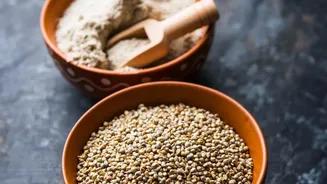
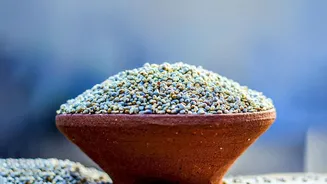
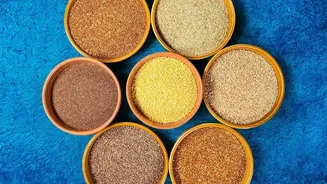
Millets are ancient grains that have been a staple in Indian diets for centuries. They are naturally gluten-free, packed with fibre, vitamins, and minerals. Unlike refined flour, they digest slowly, providing sustained energy and helping to keep you full for longer. Ragi (finger millet), Bajra (pearl millet), and Jowar (sorghum) are three of the most versatile millets that can be seamlessly swapped into your sweet recipes. Each brings its own unique flavour profile and a powerhouse of nutrients, making your favourite mithai not just tasty but also incredibly wholesome.
Ragi: The Calcium and Iron Powerhouse
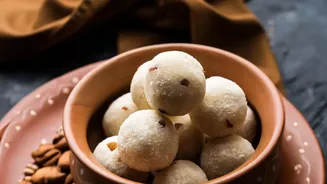
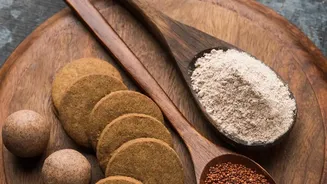
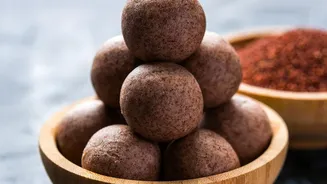
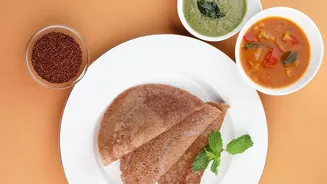
Ragi is a nutritional superstar, celebrated for its exceptional calcium and iron content. Its rich, earthy flavour pairs wonderfully with ingredients like jaggery, coconut, and nuts. When ground into flour, ragi has a fine texture that works beautifully in a variety of sweets. You can use it to make delicious and healthy Ragi Ladoos, where the flour is roasted in ghee and combined with powdered jaggery and nuts. It's also perfect for making a nutrient-dense halwa or sheera, and can even be used to bake wholesome cookies and cakes that are both moist and flavourful.
Bajra: The Warming Winter Wonder
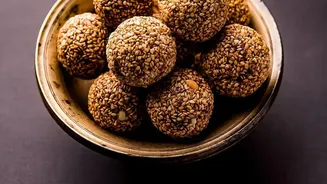
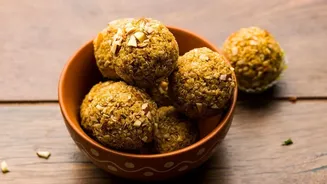
Bajra is known for its warming properties, making it a popular choice in Indian kitchens, especially during the colder months. It is a great source of iron, magnesium, and protein. Bajra flour has a distinct nutty taste that adds a rustic and satisfying depth to sweets. It is traditionally used to make Bajra Ladoos, often combined with jaggery, ghee, and edible gum (gond) to create energy-boosting treats. You can also make a delicious Bajra Halwa, where the flour is slow-roasted in ghee to bring out its nutty aroma before being cooked with milk and a natural sweetener.
Jowar: The Versatile Gluten-Free Grain
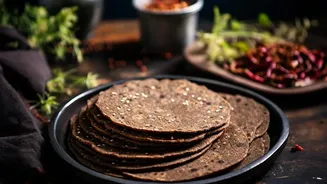
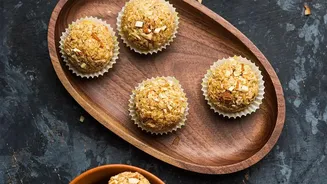
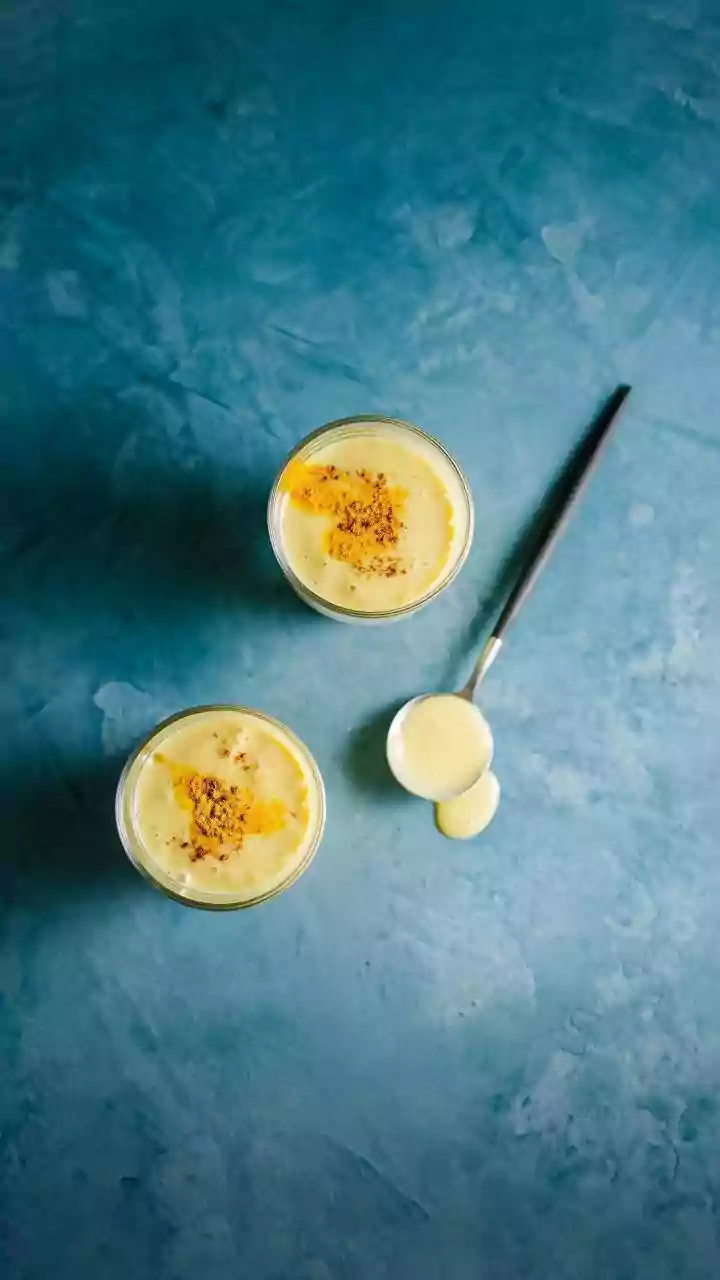
Jowar, or sorghum, is prized for its neutral, mildly sweet flavour, making it an incredibly versatile flour for all kinds of desserts. It is high in dietary fibre and protein, which aids in digestion and helps manage blood sugar levels. Its light texture makes it a fantastic gluten-free substitute in baking. You can use jowar flour to create soft and fluffy cakes, muffins, and cookies. It works well in recipes for Phirni, providing a thick and creamy consistency, and can be used to make a healthy and satisfying sheera or halwa.
Smart Swaps for Refined Sugar
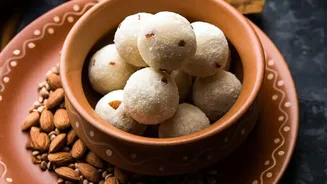
Making your sweets healthier isn't just about the flour; it's also about the sweetener. Instead of refined white sugar, consider using natural alternatives that offer more than just empty calories. Jaggery (gur) is a fantastic option, providing iron and a deep, caramel-like flavour that complements millets perfectly. Date paste, made by blending soaked dates, offers fibre and natural sweetness. Other great options include coconut sugar, which has a lower glycemic index, and pure honey (added after cooking to preserve its nutrients). These sweeteners not only reduce the guilt but also add their own unique nutritional benefits and flavour notes to your desserts.