

Lesson 1: The Autumnal Equinox
On September 22, the Earth will experience the autumnal equinox, marking the official start of autumn in the Northern Hemisphere. This isn't just a calendar date; it's a physical event. An equinox happens the moment the Sun crosses the celestial equator,
an imaginary line in the sky directly above Earth's equator. On this day, neither hemisphere is tilted more toward the Sun than the other, resulting in nearly equal lengths of day and night across the globe. This event is a fundamental lesson in how Earth’s 23.5-degree tilt creates our seasons. As our planet orbits the Sun, this tilt means different parts of the Earth receive more direct sunlight throughout the year. The equinox is one of the two moments of perfect balance before the Northern Hemisphere continues its tilt away from the Sun, leading to shorter days and the chill of winter.
Lesson 2: The Famous Harvest Moon
September's full moon, which peaks on September 26, is the famous Harvest Moon. What makes it special isn't its appearance, but its timing. The Harvest Moon is defined as the full moon that falls closest to the autumnal equinox. This proximity to the equinox creates a unique effect: for several evenings in a row, the Moon rises only about 25 to 30 minutes later each night, compared to the usual 50-minute delay. Before electricity, this bonus stretch of bright moonlight after sunset gave farmers extra time to bring in their crops, hence the name. This celestial phenomenon teaches us about the Moon's orbit relative to the horizon. The shallow angle of the Moon's path in the sky around the time of the fall equinox causes this reduced lag in moonrise times, making it a practical lesson in orbital mechanics you can see with your own eyes.
Lesson 3: Finding a Planet at Opposition
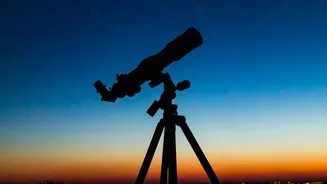
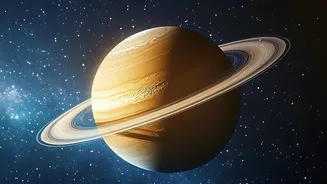
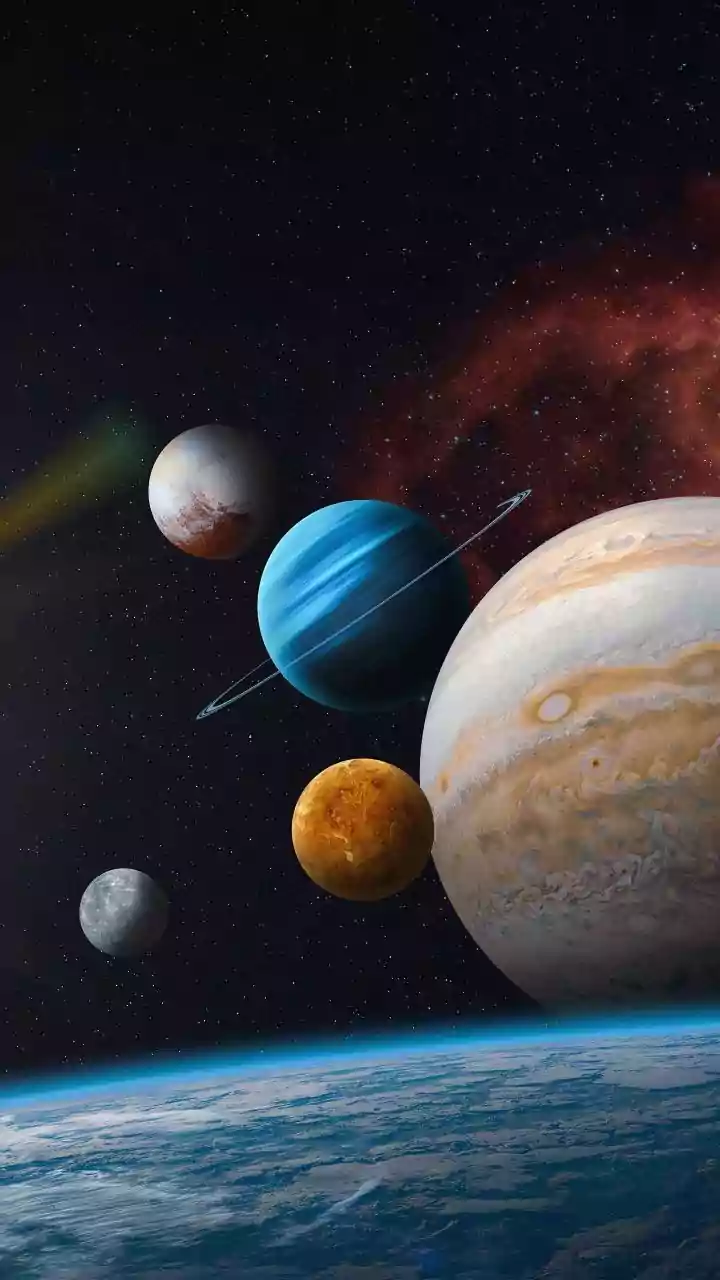
On the same night as the full moon, September 26, the distant planet Neptune will be at opposition. In simple terms, opposition means Earth is passing directly between the Sun and an outer planet. For us on Earth, this makes it the best time to view that planet. It will rise in the east around sunset, be visible all night long, and set in the west around sunrise. Neptune is the only major planet that’s never visible to the naked eye, so this event is a lesson in patience and the power of optical aid. You will need a good pair of binoculars or a small telescope to spot it. Its brightness will be magnitude +7.8, making it fainter than the dimmest star you can see without help. Finding its tiny, blue-tinged, star-like point in the constellation Pisces teaches a valuable skill: how to use brighter objects, like nearby Saturn, and star charts to locate faint celestial treasures.
Lesson 4: Spotting the 'False Dawn'
For those with access to very dark skies away from city lights, late September offers a chance to see a mysterious and beautiful phenomenon known as the zodiacal light. Often called the 'false dawn', it appears as a faint, hazy pyramid of light in the eastern sky about 90 minutes before sunrise. This isn't light from an upcoming sunrise but sunlight reflecting off a massive, flat cloud of cosmic dust particles that orbit the Sun in the same plane as the planets. Seeing it is a lesson that space isn't empty; it's filled with the debris of comets and asteroid collisions. The best time to look is on a moonless night, so the days surrounding the New Moon on September 11 are ideal, but the period in late September after the full moon has set will also work. Spotting this ethereal glow connects you to the vast, dusty structure of our solar system itself.