





The Great Unbundling of Air Travel
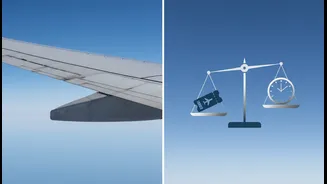
In the hyper-competitive world of aviation, the headline fare has become a powerful marketing tool. To lure you in, airlines have mastered the art of 'unbundling'. This means stripping the ticket price down to its absolute bare minimum: a seat on the plane.
Everything else, from checked baggage and seat selection to a meal onboard, is now an optional add-on. The most significant element that gets 'unbundled' is flexibility. The lowest price you see online, often labelled as 'Lite' or 'Basic', is typically the most restrictive. These fares are designed for travellers with concrete plans who travel light. The airline is betting that your plans won't change, and if they do, the high fees for changes or cancellations will more than make up for the low initial price. It's a strategy to maximise revenue by filling seats while creating separate income streams from ancillary services.
Decoding the Fare Families
Navigating modern airfares requires understanding the different 'fare families' or 'classes' offered by airlines. While the names vary—such as Lite, Classic, and Flex—the principle is consistent. A 'Lite' or 'Basic' fare is the cheapest and most restrictive, often with no free checked baggage and hefty penalties for any changes. A 'Standard' or 'Classic' fare usually represents a middle ground, often including a checked bag and allowing changes for a fee. 'Flex' or 'Flexible' fares are the most expensive, but they offer the most freedom, including free changes, refunds, and other perks like better seat selection. The price difference between a 'Lite' and a 'Flex' ticket on the same flight can be significant, but simply choosing the cheapest option without considering your needs can be a false economy. If you know you'll need to check a bag, a 'Standard' fare might be cheaper than buying a 'Lite' fare and paying for baggage separately.
The Hidden Cost of Inflexibility
The real problem with ultra-cheap, inflexible tickets emerges when life happens. An unexpected work commitment, a family emergency, or a simple change of heart can turn a bargain flight into a total loss. With most 'Basic' or 'Lite' fares, attempting to change your travel dates can incur a penalty that is sometimes more than the original ticket price. Cancelling often means forfeiting the entire amount paid, except for certain refundable government taxes. This is where the headline fare becomes deceptive. A slightly more expensive 'Flexi' ticket, which might have seemed like a poor deal at the time of booking, suddenly becomes the smarter financial choice because it allows you to change your plans or receive a travel credit without losing your money.
Finding the Right Balance for Your Trip
This is not to say that the cheapest fares are always a bad idea. For a short, confirmed weekend trip where you're only taking a backpack, a 'Lite' fare is perfectly logical. The key is to make a conscious choice based on the nature of your travel. Before you book, ask yourself: How certain are my travel dates? Is there any chance my plans might shift? If the answer is anything but '100% certain', it's wise to at least consider the next fare category up. Read the fare rules before you click 'pay'. Airlines are required to display these conditions, and a few minutes spent understanding the terms of cancellation and changes can save you significant money and stress later on.
New Rules Offer Some Protection
Fortunately, for travellers in India, recent regulations from the Directorate General of Civil Aviation (DGCA) have introduced some passenger-friendly protections. As of early 2026, rules allow for a 48-hour window after booking to cancel or amend a ticket without the airline levying its own fee, though some conditions apply. For instance, this grace period may not apply to flights scheduled to depart within seven days for domestic travel. Furthermore, the DGCA mandates that airlines must process refunds within 7 to 14 days, depending on the payment method. While these rules provide a helpful safety net against immediate booking errors, they don't change the fundamental trade-off of the fare families. Once that initial window closes, the ticket's original cancellation and change rules take full effect.