



The New Era of Space Diplomacy
Space exploration has entered a new phase. The days of a two-horse race to the Moon are long gone, replaced by a complex, multipolar environment where collaboration is not just beneficial, but often essential. Ambitious projects like establishing a sustainable
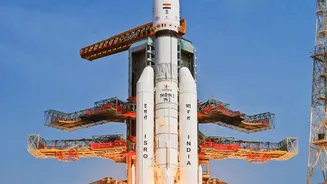
lunar presence or sending humans to Mars are incredibly expensive and technologically demanding for any single nation to undertake alone. This reality has ushered in an era of space diplomacy, where countries pool resources, share expertise, and jointly pursue scientific goals. For ISRO, which has built a formidable reputation on cost-effective and successful missions, this shift represents a strategic opportunity. By partnering with other leading space agencies, India can accelerate its technological development, contribute to landmark global missions, and solidify its standing as a major player in the 21st-century space ecosystem.
Key Partnerships in Action
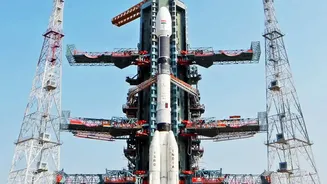
ISRO's history is dotted with international cooperation, but recent and ongoing projects highlight a deepening of these ties. Perhaps the most significant current collaboration is the NASA-ISRO Synthetic Aperture Radar (NISAR) mission. This joint Earth-observation satellite, launched in July 2025, is a powerful example of synergy. NASA provided the L-band radar and other key components, while ISRO contributed the S-band radar and the launch vehicle. The NISAR satellite is designed to monitor changes in Earth’s land and ice surfaces with unprecedented detail, providing critical data for understanding climate change, natural disasters, and ecosystem disturbances. Beyond NASA, ISRO has enduring partnerships with France's CNES, leading to missions like TRISHNA for high-resolution thermal imaging and earlier projects studying climate. These collaborations allow for shared costs, access to complementary technologies, and a richer scientific return than either agency could achieve alone.
Joining the Artemis Generation
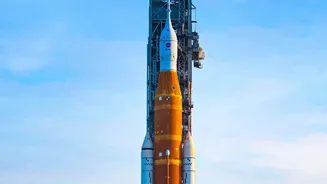
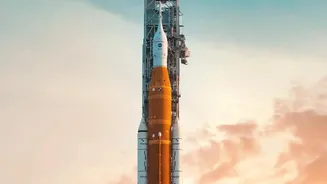
A pivotal moment in India's space journey was its decision to sign the Artemis Accords in 2023. This set of non-binding principles, led by the United States, aims to establish a common framework for the peaceful and sustainable exploration of the Moon and beyond. By becoming a signatory, India has positioned itself within the primary international coalition for the next wave of lunar exploration. This move avoids technological isolation and ensures that Indian systems will be interoperable with those of partner nations. The Accords open the door for ISRO to participate in the ambitious Artemis program, which plans to establish a long-term human presence on the Moon. This could involve contributing technology, sharing scientific data, or even including an Indian astronaut on a future lunar mission, directly aligning with India's own goal of landing an astronaut on the Moon by 2040.
The Lunar Frontier with Japan
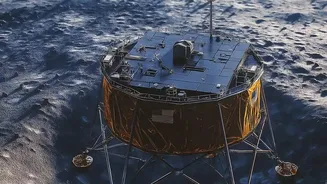
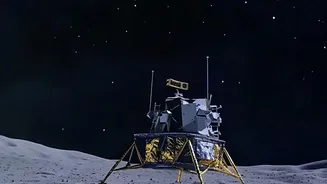
Another crucial partnership is taking shape with the Japan Aerospace Exploration Agency (JAXA) for the Lunar Polar Exploration Mission (LUPEX), sometimes referred to as Chandrayaan-5. This ambitious joint mission aims to explore the water-ice resources in the permanently shadowed regions of the Moon's south pole. Under the plan, JAXA is developing the rover, while ISRO is responsible for the lander that will deliver it to the lunar surface. The mission will also carry instruments from NASA and the European Space Agency (ESA), making it a truly global endeavour. LUPEX is critical because confirming and quantifying lunar water is key to enabling sustainable human activities on the Moon, as it could potentially be used for life support and rocket fuel. This collaboration leverages JAXA's expertise in rover technology and ISRO's proven landing capabilities, demonstrated by the successful Chandrayaan-3 mission.
Beyond Technology: Strategic Gains
The benefits of these global missions extend far beyond science and technology. Space cooperation is a powerful tool of soft power and diplomacy, strengthening bilateral relationships with key partners like the U.S., France, and Japan. These collaborations create a network of interdependencies that foster peaceful engagement. Economically, they position India's burgeoning private space sector to integrate into global supply chains. As ISRO works with international partners, Indian startups and companies gain opportunities to supply components and services that meet global standards. Furthermore, by participating in high-profile international missions, ISRO gains access to shared scientific data and expertise that can be channeled into its domestic programs, from the Gaganyaan human spaceflight mission to developing next-generation launch vehicles.