






A Shift From Grandeur to Genuineness
The great Indian festive season has long been synonymous with abundance, but the definition of a desirable gift is evolving. Consumers are consciously moving away from mass-produced, generic items toward gifts that feel more personal and deliberate. This
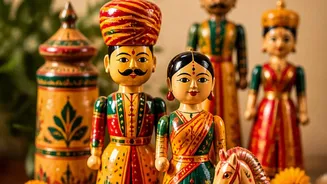
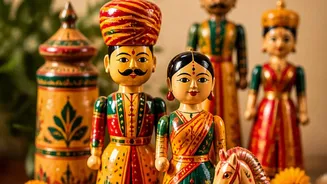
change is driven by a desire for authenticity. A handcrafted item tells a story, carrying the unique imprint of its maker. Unlike identical factory-made products, small variations in handmade goods make them feel distinct and thoughtfully chosen. This pivot is less about the monetary value of the gift and more about the value of the experience and the intention behind it. It signals a cultural move from gifting as an obligation to gifting as a meaningful expression of care.
The Rise of Conscious Consumption
Sustainability is no longer a niche interest but a core value influencing purchasing decisions. A recent study found that 85% of consumers consciously try to make eco-friendly choices during festive shopping. This includes avoiding plastic, choosing sustainable packaging, and actively shopping from small, local, and handcrafted businesses. The waste generated during festivals, particularly from plastic packaging and disposable items, has prompted a rethink. As a result, gifts that are eco-friendly, such as terracotta items, seed paper stationery, or products in reusable packaging, are gaining popularity. This shift is rooted in a growing awareness that gifting can align with personal values, supporting both artisans and the environment.
Supporting the 'Make in India' Dream
There's a growing sense of pride and confidence in domestic, Indian-made goods. Recent festive seasons have seen a significant preference for local products over imported ones, boosting sales for small traders and domestic businesses. This 'Swadeshi' sentiment resonates strongly with consumers who see their purchasing power as a way to support local artisans and the rural economy. The handicraft sector, which provides a livelihood for millions in India, benefits directly from this trend. By choosing a hand-painted diya, a handwoven textile, or a piece of traditional pottery, consumers are not just buying a product; they are helping to preserve India's rich craft heritage and support the artisans who are its custodians.
The Appeal of Compact and Curated
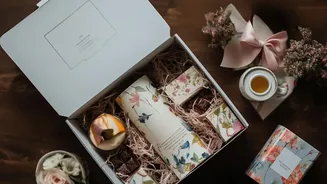
The trend has also moved towards smaller, more thoughtfully curated hampers. Instead of large boxes filled with impersonal items, the focus is now on a few high-quality, useful products. A well-curated hamper might feature an 'anchor' item, like a brass diya or a piece of artisanal kitchenware, complemented by a couple of supporting products like gourmet coffee or organic spices. This approach avoids the wastefulness of oversized hampers and ensures the gift is memorable and genuinely useful. The 'unboxing experience' has become part of the gift itself, with beautiful, often sustainable, packaging adding to the premium feel.
Digital Bazaars and Discerning Buyers
The digital revolution has played a crucial role in this shift. E-commerce platforms and social media have made it easier than ever for consumers to discover and buy directly from artisans and homegrown brands across the country. These platforms act as a virtual bazaar, showcasing unique products and telling the stories behind them. At the same time, the modern Indian consumer has become more discerning. They are planning their festive shopping earlier, researching their options, and looking for gifts that offer a sense of discovery. This combination of increased access and informed choice is fueling the demand for hampers that are not just objects in a box, but a collection of authentic, story-rich products.