





The midweek slump feels familiar: deadlines loom, screens glow, and the mind drifts to a quiet place far from the city's hum. For a growing number of young Indians, the solution is no longer a distant annual vacation, but a series of short resets.
The End of the Annual Holiday Ritual
The
traditional concept of saving up all year for one big, meticulously planned holiday is fading. In its place, a new travel rhythm is emerging, defined by frequency and spontaneity. This is the era of the 'micro-vacation'—short, intentional trips of two to five days, designed as a regular defence against professional burnout and mental fatigue. According to recent reports, a significant majority of Gen Z travellers in India, around 7 in 10, now prefer taking multiple short trips over a single long one. This shift is less about wanderlust and more about maintenance; travel is no longer just an indulgence but a crucial tool for managing well-being in a high-pressure world. The trend is so pronounced that domestic trips are becoming shorter, with many bookings made just days or even hours before departure, highlighting a move towards travel as a reflexive, needs-based habit.
Driven by Burnout and a New Definition of Rest
At the heart of this trend is a generation that is acutely aware of its mental health. Facing what many describe as a 'burnout economy', young professionals are actively seeking temporary exits to reset and recharge. The constant connectivity and demanding work cultures have normalised exhaustion, leading many to view rest not as laziness, but as essential maintenance. A short, focused break where one can genuinely unplug is now seen as more restorative than a longer trip spent checking work emails. This generation has also observed their parents postponing joy for a 'later' that sometimes arrived with diminished health or energy, leading them to prioritise experiences now. Travel, in this context, becomes a proactive measure to reclaim time and mental space, with many trips being booked impulsively in response to overwhelming stress.
What These Micro-Breaks Look Like
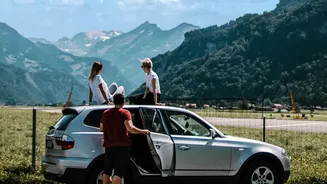
These short getaways are diverse, catering to different needs and moods. For some, it's a 'staycation' at a city hotel to enjoy a change of scenery without the hassle of travel. For others, it’s a quick road trip to a nearby hill station, beach town, or wellness retreat. Popular weekend routes include drives from Mumbai to Lonavala, Delhi to Rishikesh or Jaipur, and Bangalore to Coorg or Nandi Hills. The focus is often on experience rather than a packed sightseeing itinerary. Many young travellers deliberately leave their schedules open, choosing destinations that offer nature, slow living, and good food. The accommodation itself has become a destination, with boutique homestays and unique Airbnbs being a primary draw. In fact, reports show that for many Gen Z travellers, the people they travel with matter more than the destination itself, fuelling a rise in group trips to shared homes.
Technology and Accessibility Make It Possible
This travel revolution is powered by technology. Digital booking platforms, budget airlines, and a plethora of app-based services have made spontaneous travel easier and more affordable than ever. Young travellers are adept at using apps to find last minute deals on flights and stays. The rise of pet friendly farmhouses, boutique resorts, and accessible homestays in non traditional locations has also expanded the options available for a quick escape. The normalisation of flexible and remote work arrangements post pandemic has further blurred the lines, with some professionals extending business trips into the weekend. This accessibility has democratised the mental health break, making it possible to plan and execute a restorative trip within a matter of days, turning a fleeting thought into a tangible reality.