

The Hardy and Handsome Snake Plant
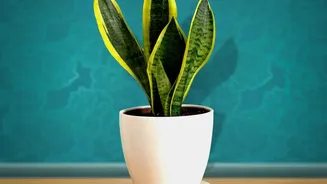
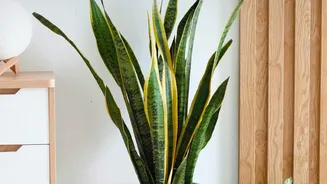
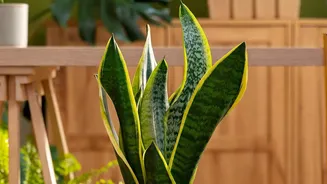
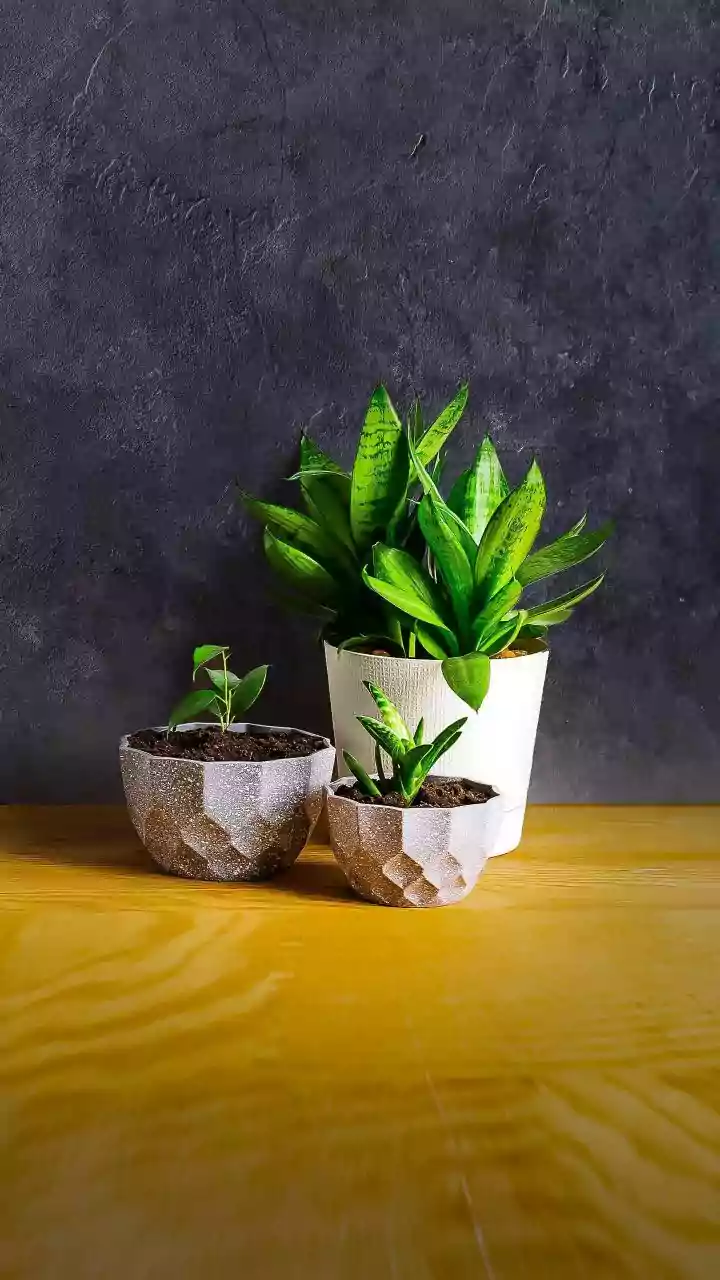
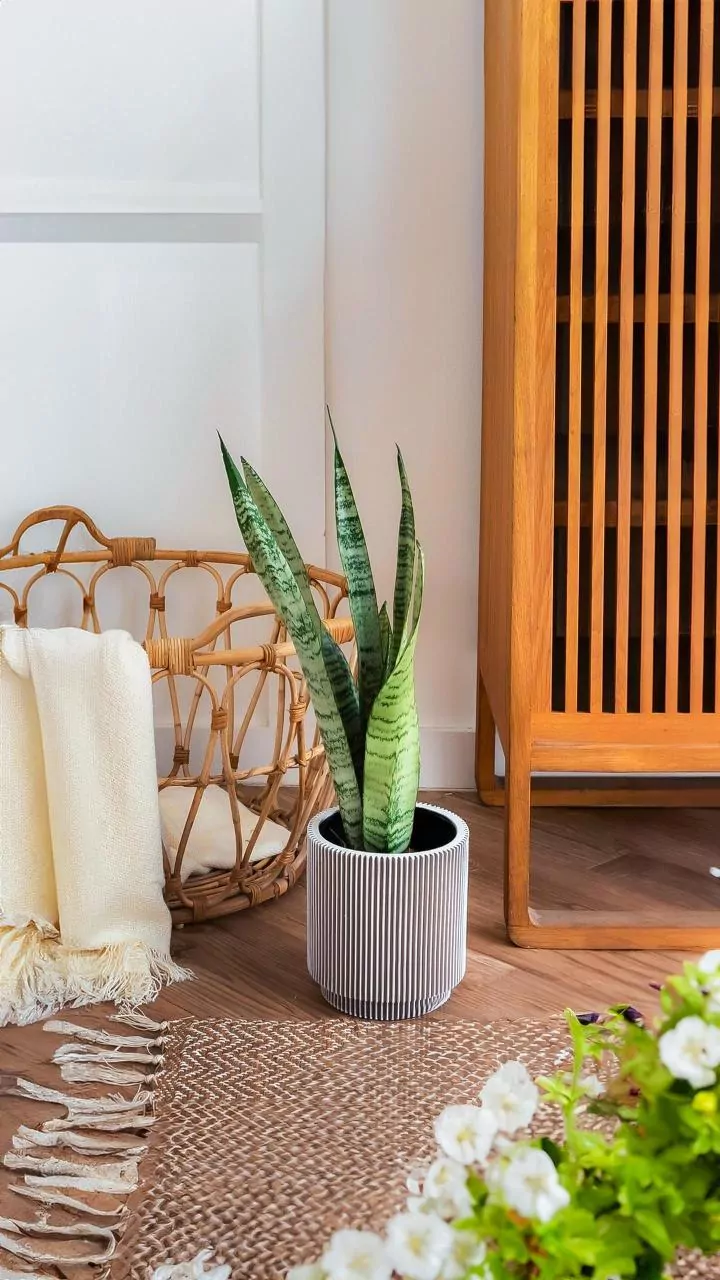
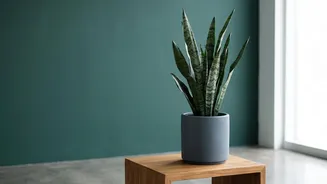
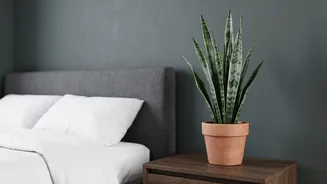
The Snake Plant, also known by its botanical name Sansevieria trifasciata or as 'mother-in-law's tongue', is a champion of low-maintenance living. Its stiff, upright leaves give it a modern, architectural look that fits perfectly into tight corners without
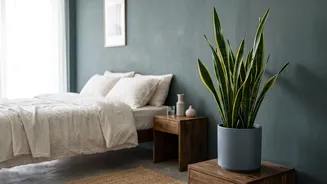
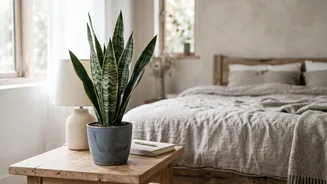
taking up valuable floor space. It is exceptionally resilient and thrives on neglect, making it ideal for beginners or busy individuals. This plant can tolerate a wide range of light conditions, from bright, indirect sunlight to shadier spots, which are common in bedrooms. Overwatering is one of the few ways to harm this plant; it prefers its soil to dry out completely between waterings, meaning you might only need to water it once every few weeks.
A Special Night-Time Companion
What truly sets the Snake Plant apart for bedroom placement is its ability to perform a special type of photosynthesis called Crassulacean Acid Metabolism (CAM). Unlike most plants, which release oxygen during the day, CAM plants can continue to release oxygen at night. While you sleep, the Snake Plant absorbs carbon dioxide and releases small amounts of oxygen, contributing to a fresher environment. This unique quality has made it a popular choice for those looking to naturally enhance their bedroom's air.
The Elegant and Communicative Peace Lily
The Peace Lily (Spathiphyllum) is another excellent choice, known for its beautiful glossy dark green leaves and elegant white blooms. It adds a softer, more decorative touch to a room. While slightly more demanding than the Snake Plant, it is still considered low-maintenance and is great for beginners. Its most helpful feature is that it communicates its needs clearly: the leaves will droop noticeably when it's thirsty, taking the guesswork out of watering. It thrives in medium to low indirect light, making it well-suited for indoor living spaces and bedrooms that don't get direct sun.
Clearing the Air, With a Caveat
Both the Peace Lily and Snake Plant gained fame from a 1989 NASA Clean Air Study, which found they could remove common household toxins like formaldehyde and benzene from sealed chambers. The Peace Lily was noted for its ability to remove a range of pollutants, while the Snake Plant was also a strong performer. However, it's important to have realistic expectations. Subsequent analysis has shown that you would need a very large number of plants—sometimes hundreds—in a typical room to replicate the purifying effects seen in a small, sealed lab environment. While they do help filter the air, their most significant impact in a normal home setting comes from the psychological benefits of adding nature indoors and a modest improvement in air quality.
Perfectly Suited for Small Bedrooms
Small bedrooms are where these two plants truly shine. Their tolerance for lower light means they can thrive away from a large window. The vertical growth habit of most Snake Plant varieties and the manageable size of a Peace Lily ensure they don't clutter a small room. More importantly, a bedroom is a sanctuary for rest and recuperation. Adding a touch of green can reduce stress and create a more calming atmosphere, promoting better sleep and overall well-being. Because they require such infrequent watering and care, they provide these benefits without adding another chore to your list, making them a simple and effective way to enhance your personal space.