





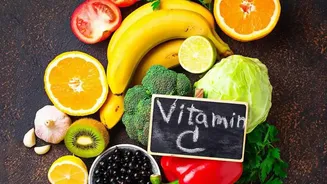
Immunity-Boosting Powerhouses
The rainy season often brings a spike in colds and flu. Your first line of defence lies in your kitchen. Stock up on ginger, garlic, and turmeric. Ginger contains gingerol, a compound that soothes sore throats, aids digestion, and has anti-inflammatory
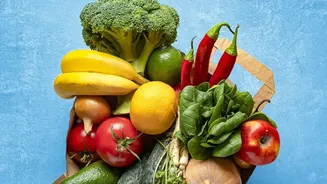
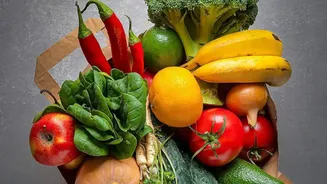
properties. Similarly, garlic is known for its ability to fight infections. Turmeric, a staple in every Indian kitchen, is a powerful antioxidant. These ingredients are not just for flavour; they are your personal bodyguards against seasonal illnesses. Adding them to soups, teas, and daily curries can help strengthen your immune system from within. Don't forget citrus fruits like lemons and oranges, which are packed with Vitamin C, a key nutrient for producing infection-fighting white blood cells.
Gut-Friendly Foods for Weaker Digestion
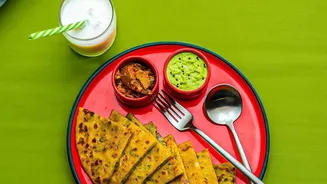
According to Ayurveda, the digestive fire, or 'Agni', tends to be weaker during the monsoon. This makes it harder for your body to process heavy foods. Your grocery list should prioritise light, easily digestible options. Moong dal is a prime example; it's a fantastic source of protein that’s gentle on the stomach. Simple, warm, home-cooked meals like khichdi are highly recommended. Probiotic-rich foods like fresh curd (yoghurt) can support gut health, which is crucial since a significant part of your immune system is linked to your digestive tract. However, it's best to consume curd during the day and ensure it's fresh.
Smart Buys and Storage Strategies
High humidity is the enemy of freshness, causing everything from biscuits to spices to become soggy and prone to mould. The key is to buy certain items in smaller quantities and store everything correctly. While stocking up on staples like rice and atta is common, it's better to buy freshly milled flour in smaller batches during this season. Store all dry goods like lentils, spices, and snacks in airtight glass or steel containers to protect them from moisture. When it comes to vegetables, be particularly careful with leafy greens. They can harbour dirt and spoil quickly due to excess moisture. It’s advisable to buy only what you need for a day or two and wash them thoroughly before use.
Seasonal Fruits and Vegetables
Embracing seasonal produce is always a good idea. For the monsoon, this includes fruits like jamun, pears, papaya, and pomegranates. These fruits are not only delicious but also packed with vitamins and antioxidants that bolster your immunity. When it comes to vegetables, opt for gourds like lauki (bottle gourd) and karela (bitter gourd). Bitter gourd, despite its taste, is a powerhouse of antiviral properties and helps cleanse the system. Corn, or bhutta, is a quintessential monsoon snack that is also a good source of fibre and antioxidants.
Healthy Snacking and Hydration
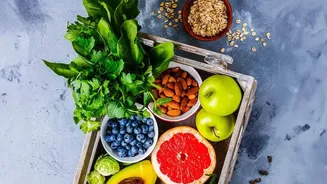
The desire for fried snacks intensifies when it rains, but frequent indulgence can tax a weak digestive system. While an occasional samosa or pakora is part of the monsoon experience, stock your pantry with healthier alternatives. A handful of nuts and seeds like almonds, walnuts, and pumpkin seeds provide healthy fats, zinc, and Vitamin E, which support immune function. Roasted corn makes for a satisfying and nutritious snack. For hydration, shift from cold drinks to warm herbal teas. Infusions made with tulsi, ginger, or cinnamon not only keep you warm but also aid digestion and help fight off infections.