



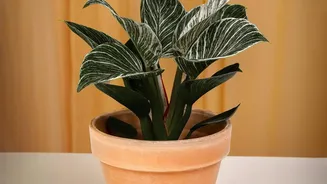
Peace Lily (Spathiphyllum)
The Peace Lily is a champion for humid spaces. Its broad, elegant leaves are not just for show; they absorb excess moisture directly from the air. This makes it a perfect addition to bathrooms or kitchens, which often have higher humidity. Beyond acting
as a natural dehumidifier, it's also a powerhouse air purifier, known for filtering common household toxins like formaldehyde and benzene. Native to tropical rainforests, it thrives in the exact conditions that damp weather creates, preferring indirect light and consistently moist soil. If you notice its leaves drooping, it's a clear sign it needs a drink.
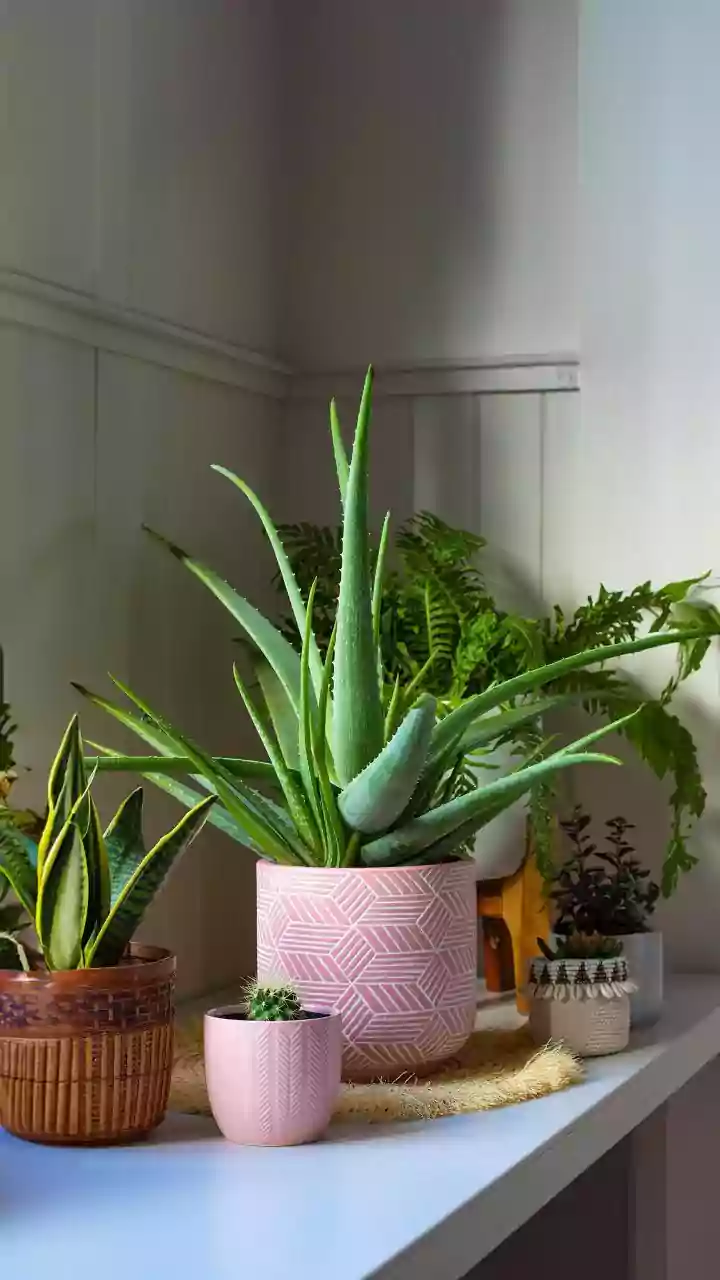
Snake Plant (Sansevieria trifasciata)
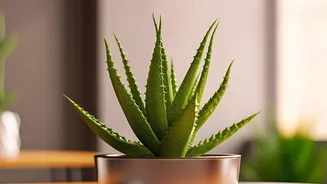
If you're looking for a plant that thrives on neglect, the Snake Plant is your answer. It is exceptionally hardy and well-suited for beginners. While it's a succulent that dislikes overwatering, it excels in humid environments and is a top-tier air purifier. One of its most unique qualities is that it releases oxygen at night, making it an excellent choice for bedrooms to keep the air fresh while you sleep. Its vertical, sword-like leaves add a modern touch to any decor, and it can tolerate a wide range of light conditions, from low light to bright, indirect sunlight.
Boston Fern (Nephrolepis exaltata)
With its lush, feathery fronds, the Boston Fern is a classic choice for adding a touch of green and tackling humidity. These plants love moisture and are highly effective at absorbing it from the air, helping to balance humidity levels indoors. Their dense foliage provides a large surface area for this natural dehumidifying process. They are particularly well-suited for bathrooms with some natural light or shaded balconies where humidity is consistently high. To keep a Boston Fern happy, ensure its soil stays consistently moist and place it in a spot with indirect light.
Spider Plant (Chlorophytum comosum)
The Spider Plant is one of the most adaptable and easy-to-grow houseplants. It's an excellent air purifier, effective at removing pollutants like carbon monoxide and xylene from the air. It also helps manage indoor humidity by absorbing airborne moisture. These plants are very forgiving and can thrive in a variety of conditions, making them ideal for busy households. They prefer bright, indirect light but can tolerate lower light levels. Their arching leaves and ability to produce small 'spiderettes' that can be repotted make them a fun and rewarding plant to grow.
Areca Palm (Dypsis lutescens)
For those looking to make a bigger statement, the Areca Palm brings a tropical feel to any room. While it's often known for acting as a natural humidifier in dry climates, its large, graceful fronds are also excellent at purifying the air. This makes it a great all-rounder for improving your indoor environment during damp seasons by keeping the air clean. Commonly found in Indian homes, it adds a lush, green focal point to living rooms or corners that receive bright, indirect light. It requires regular watering to keep its soil lightly moist.
Tillandsia (Air Plants)
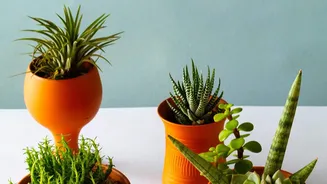
For a truly low-maintenance and unique option, consider Tillandsia, more commonly known as air plants. These fascinating plants don't require soil to grow. Instead, they absorb all their necessary moisture and nutrients directly from the air through their leaves. This makes them perfectly suited to high-humidity environments. Their small size and versatility mean you can place them almost anywhere—in terrariums, on decorative displays, or mounted on wood. Just be sure to give them bright, filtered light and good air circulation.