


The Post-Walk Paw Cleaning Ritual
Paws are ground zero for monsoon-related problems, constantly exposed to muddy streets and contaminated puddles. This water can harbour harmful bacteria, including the one that causes leptospirosis, a serious illness. Proactive pet parents now follow
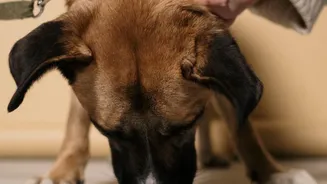
a strict post-walk ritual: washing paws with lukewarm water and a mild cleanser, paying close attention to the spaces between the toes. Thoroughly drying the paws afterwards is a non-negotiable step to prevent fungal and yeast infections, which thrive in damp conditions. Trimming the hair around the paw pads can also improve airflow and reduce moisture buildup.
Thorough Drying of the Coat
A damp coat is more than just uncomfortable; it's a breeding ground for the fungi and bacteria that cause skin infections and hotspots. Simply letting a pet air-dry is not enough in India's humid monsoon weather. The new standard involves a rigorous drying process using absorbent microfibre towels after every single walk or exposure to rain. For breeds with thick or long fur, many owners are now using pet-friendly blow dryers on a low, cool setting to ensure the undercoat is completely dry. This simple but consistent action is one of the most effective ways to prevent the itchy, smelly skin problems that veterinarians see spike during this season.
Vigilant Ear Care
The L-shaped ear canal of a dog, combined with high humidity, creates a perfect storm for ear infections (otitis externa). Moisture gets trapped easily, especially in floppy-eared breeds like Beagles and Cocker Spaniels, leading to painful bacterial and yeast overgrowths. Part of the modern monsoon routine involves carefully wiping the visible part of the ear with a soft, dry cloth after any exposure to rain. Regular checks for redness, odour, or discharge help catch issues early, preventing a minor irritation from becoming a major veterinary concern.
Enhanced Parasite Prevention
The warm, wet conditions of the monsoon are a paradise for parasites. Fleas and ticks, which can transmit serious diseases like tick fever, flourish in this environment. Consequently, pet owners are becoming extra diligent with their parasite control measures. This means strictly adhering to schedules for vet-recommended spot-on treatments, medicated collars, or oral medications. Regular grooming and checking the pet’s coat for any signs of these unwelcome guests after they've been outside has become a critical daily habit for many.
Keeping Bedding and Living Spaces Dry
The battle against dampness extends indoors. A pet's bedding can absorb moisture from their fur or the humid air, creating another potential source for fungal growth and skin issues. The routine now includes ensuring bedding is kept in a dry area, preferably raised off the floor. More frequent washing of bedding, toys, and mats in hot water, followed by thorough sun-drying where possible, is also becoming standard practice to eliminate spores and bacteria.
Mindful Diet and Hydration
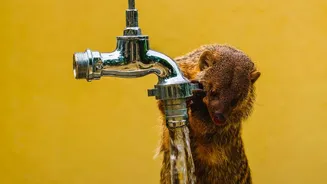
Monsoon brings risks of gastrointestinal issues, often from pets drinking contaminated water from puddles. A key part of the care routine is ensuring constant access to fresh, clean drinking water and actively discouraging them from drinking outside. Food storage has also become a focus; dry kibble must be kept in airtight containers to prevent it from absorbing moisture and growing mould, which can be toxic. Some owners also find that lighter meals can help if their pet's appetite or digestion seems sluggish during the humid months.