



Lisbon, Portugal: The Welcoming Wanderer's Hub
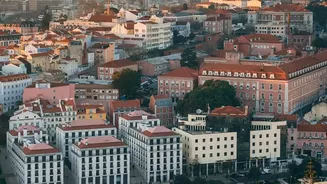
Lisbon's combination of affordability, friendly energy, and a well-established social hostel scene makes it an excellent choice for first-time solo travellers. The city feels welcoming, and it's common to see people dining alone or exploring at their
own pace. However, its popularity and specific layout demand tailored awareness. The charming, but often crowded, historic Tram 28 is a known hotspot for pickpockets. Experts advise wearing a crossbody bag zipped and in front of you, especially in these crowded transit situations and in busy areas like the Alfama district or Belém. While walking at night in central areas like Baixa and Chiado is generally considered safe, some areas like Martim Moniz and the streets around Rossio station can feel uncomfortable after midnight. Using a ride-hailing app for late-night returns is a simple and effective strategy.
Prague, Czech Republic: The Fairytale City with Fine Print
Prague is consistently rated as one of the safest and best-value capital cities in Europe for solo travellers. Its compact, walkable historic core means you can explore much of its beauty on foot. While violent crime is rare, the primary risks are petty and financial. Overpriced drinks in tourist-heavy zones like Old Town Square are common, so always check the menu prices before ordering. The most reported issue involves pickpocketing in crowded areas—specifically Charles Bridge and on busy trams like the number 22—and taxi overcharging. The universal advice from local guides is to use ride-sharing apps like Bolt, which have fixed pricing, instead of hailing a taxi on the street. For late nights, while the centre is generally well-lit, the lower part of Wenceslas Square can attract touts and a rowdy scene after midnight. Taking a ride-share or using the reliable night trams is a smarter choice than walking through this specific area alone late at night.
Vienna, Austria: The Capital of Calm and Culture
Vienna frequently appears on lists of the world's safest and most liveable cities, and that calm extends to its travel experience. For solo travellers, its famous coffeehouse culture provides a perfect, socially acceptable way to sit alone for hours, plan your day, or simply people-watch. The public transport system is exceptionally reliable and considered safe at all hours, with security cameras and good lighting in stations. Crime against tourists is very low, but petty theft can occur in the most crowded spots like Stephansplatz. Unlike some other European capitals, there are very few 'no-go' zones. However, some guides suggest being a bit more cautious around the Praterstern and Karlsplatz U-Bahn stations late at night. The primary adjustment for travellers here is cultural; Viennese society can be more formal, so a polite greeting like 'Grüß Gott' is often appreciated.
Amsterdam, Netherlands: The Easy-to-Navigate Haven
With its compact city centre, universally spoken English, and welcoming atmosphere, Amsterdam often feels designed for solo exploration. You can easily spend a day walking between world-class museums or simply wandering along the canals. The biggest city-specific safety tip here involves transportation. Renting a bike is the local way to get around, but be mindful of the rules of the road and the sheer volume of other cyclists. The other key point of awareness is being cautious near the canals at night, especially after a visit to a bar. While public transport is excellent, it's wise to know your route home. The city's welcoming attitude towards solo travellers is a major plus, and its 'café culture' makes it easy to find a comfortable spot to rest and recharge on your own without feeling out of place.