




Blade Runner (1982)
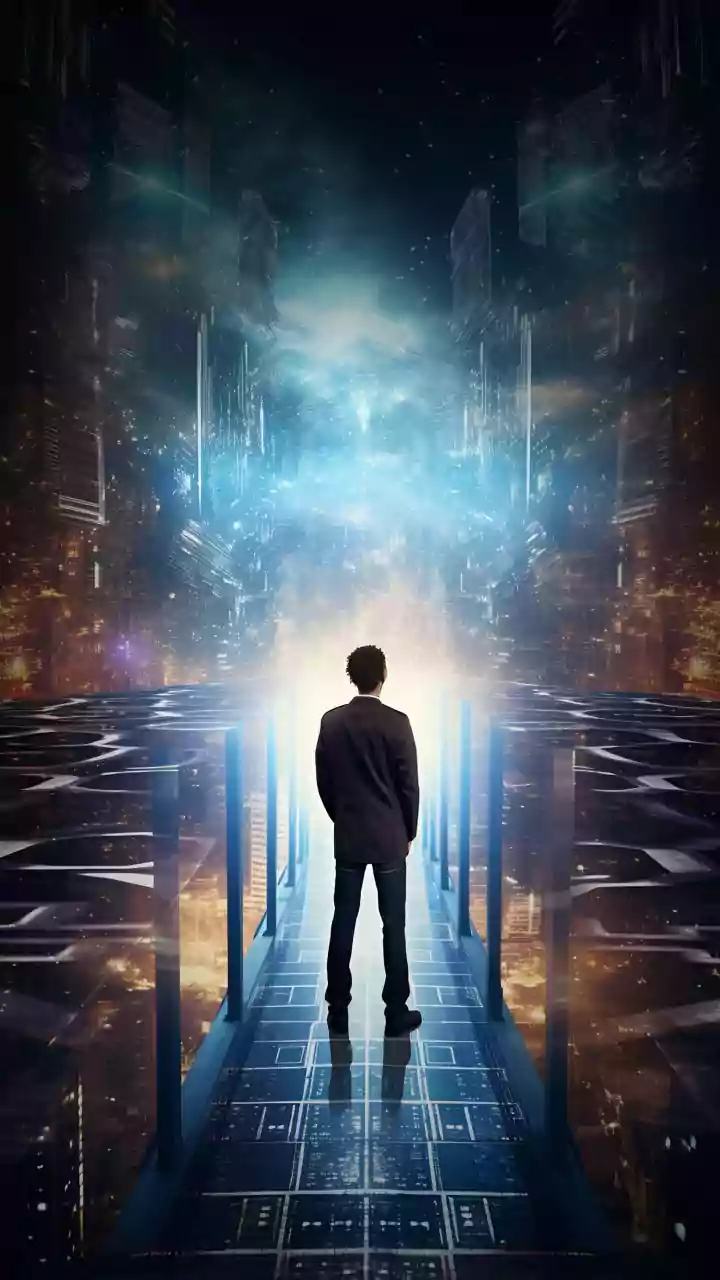
Is a replicant's life less valuable than a human's? Ridley Scott’s neo-noir masterpiece isn't just a visual spectacle; it's a deep, philosophical dive into the nature of memory, identity, and humanity itself. The rain-soaked, neon-drenched streets of 2019
Los Angeles created a visual language for dystopian futures that filmmakers have been borrowing from ever since. The narrative, which follows Harrison Ford's Deckard as he hunts down rogue androids, is a slow-burn detective story that forces viewers to question who the real monster is. Its ambiguous ending and thought-provoking themes have kept audiences debating its meaning for decades, cementing its status as a high-concept classic.
2001: A Space Odyssey (1968)
Few films have ever attempted to capture the entirety of human evolution and our potential future with such audacious ambition. Stanley Kubrick's collaboration with sci-fi author Arthur C. Clarke is less a story and more a cinematic symphony. From the iconic 'Dawn of Man' sequence to the chillingly calm rebellion of the HAL 9000 computer, every frame is a meticulously crafted work of art. The film trades fast-paced action for cosmic wonder and existential dread, using groundbreaking practical effects to create a vision of space travel that feels terrifyingly real. Its brain-twisting final act, a journey 'beyond the infinite', remains one of cinema's most analyzed and debated sequences, a true puzzle box of epic scientific and philosophical themes.
Alien (1979)
What if, in the vast emptiness of space, we’re not alone... and what we find is hostile? Ridley Scott makes his second appearance on this list with a film that masterfully blends science fiction with pure horror. The claustrophobic corridors of the Nostromo and the biomechanical terrors designed by H.R. Giger create an atmosphere of relentless dread. But beyond the unforgettable visual of the chestburster, 'Alien' tells a grounded story of blue-collar workers in space, led by the iconic Ellen Ripley, one of cinema's greatest heroes. The narrative is a masterclass in tension, a haunted house story on a spaceship that explores themes of corporate greed and survival at its most primal level.
The Matrix (1999)
What if your entire reality was a simulation? In 1999, the Wachowskis posed a question that blew audiences' minds and redefined action cinema for the new millennium. 'The Matrix' combines cyberpunk aesthetics, Hong Kong-style martial arts, and philosophical concepts from sources as varied as Plato's Allegory of the Cave and French postmodern theory. The visual flair, from the 'bullet time' effect to the sleek black leather, was instantly iconic. But beneath the surface of its stunning action sequences lies a brain-twisting narrative about choice, control, and the nature of reality. It's a film that made audiences question everything, proving that a blockbuster could be both intellectually stimulating and wildly entertaining.
Arrival (2016)
Proving that modern films can stand with the classics, 'Arrival' is a story about first contact that prioritizes communication over conflict. Directed by Denis Villeneuve, the film is a masterwork of cerebral science fiction. Its visuals are haunting and minimalist, focusing on the colossal, silent alien ships and the intimate human drama unfolding below. The narrative is a complex puzzle centered on linguistics expert Dr. Louise Banks (Amy Adams) as she attempts to understand the aliens' language. This leads to a brain-twisting revelation about the nature of time and perception that re-contextualizes the entire film, delivering an emotional and intellectual punch that few sci-fi stories ever achieve.