




What Are Making Charges?
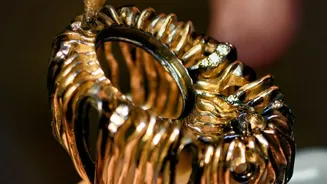
Making charges are the fees jewellers levy for the skill and labour required to transform raw gold into a finished piece of jewellery. This cost is separate from the base price of the gold itself and covers everything from the designer's concept to the artisan's
intricate work of shaping, soldering, and polishing. Think of it as the cost of craftsmanship. While the price of gold is standardised by the market, making charges are not, which is why they vary widely between jewellers and even between different designs in the same store.
The Two Main Calculation Methods
Jewellers typically calculate making charges in one of two ways. The first is a percentage of the total gold value. For instance, if a 10-gram chain has a gold value of ₹60,000 and the making charge is 12%, you will pay an additional ₹7,200. This is the most common method. The second method is a flat rate per gram of gold. If the charge is ₹500 per gram for the same 10-gram chain, your making charge would be a straightforward ₹5,000. It's crucial to ask your jeweller which method they use, as a percentage-based charge will increase automatically when gold prices rise, even if the labour involved remains the same.
Why Intricate Designs Cost More
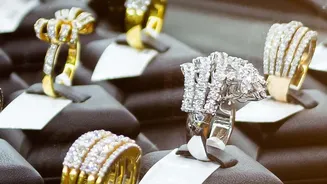
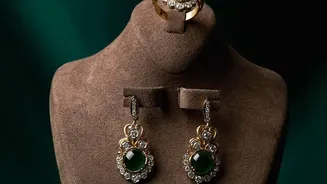
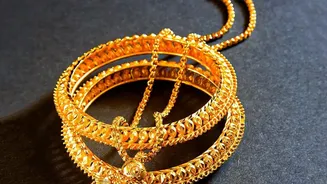
The complexity of a design is the single biggest factor influencing making charges. Simple, machine-made items like basic chains or bangles are produced quickly and in large quantities, so they have lower making charges, often ranging from 3% to 10%. In contrast, intricate, handcrafted jewellery—such as pieces with detailed filigree, temple carvings, or elaborate settings—requires immense skill and many hours of an artisan's time. For these unique pieces, making charges can climb to 15% and sometimes as high as 25% or more. Neither is inherently better; the choice depends on whether you're prioritizing unique artistry or everyday simplicity.
The Deal with Wastage Charges
Sometimes, a bill will include a separate fee called 'wastage' or 'VA' (Value Addition). Jewellers explain this as a charge to compensate for the tiny amount of gold dust lost during the manufacturing process. While some loss is genuine, especially in handmade items, this charge can be a grey area. Modern machine manufacturing has minimized actual wastage to almost nothing. Some jewellers may include wastage within their making charges, while others list it separately, potentially charging you twice for the same production cost. Always ask for a clear breakdown and question any high wastage percentage, which typically ranges from 5% to 7% but can be inflated.
How to Spot a Good Deal
A good deal isn't just about the lowest price; it's about transparency. Always ask for a detailed bill that breaks down the gold price, its purity (look for the BIS 916 hallmark for 22K gold), weight, making charges, and GST. For machine-made jewellery, a making charge below 10% is generally considered competitive. For handcrafted pieces, anything up to 20% can be reasonable depending on the artistry. Charges exceeding 25% should be scrutinized and justified by truly exceptional, one-of-a-kind craftsmanship. Don't be afraid to negotiate. Many independent jewellers have flexibility on making charges, especially during off-peak seasons or for large purchases. Comparing quotes from at least two or three different jewellers for a similar item is the best way to gauge the market rate and ensure you're not overpaying.