







Understanding Monsoon Baking
The biggest challenge when baking during the rainy season is humidity. Excess moisture in the air is absorbed by dry ingredients like flour, sugar, and baking powder. This can lead to sticky doughs, cakes that don't rise properly, and cookies that turn
out soft instead of crisp. A humid environment means your ingredients already contain more water than the recipe accounts for, which can throw off the texture and result in a dense or gummy bake. The key is to learn how to manage this extra moisture.
The New Era of Egg Replacements
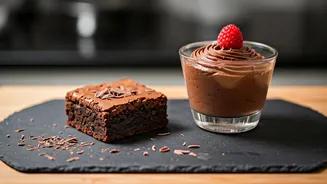
Gone are the days of limited options. Today, a variety of ingredients can mimic the binding, leavening, and moistening properties of eggs. Plain yogurt or dahi is a fantastic, readily available option for cakes and muffins, with about 1/4 cup replacing one egg. For a vegan alternative, a 'flax egg' (one tablespoon of ground flaxseed mixed with three tablespoons of water) works wonders in denser bakes like brownies. Another star is aquafaba, the liquid from a can of chickpeas. Three tablespoons of aquafaba can replace a whole egg, and it can even be whipped like egg whites for meringues and mousses, a true game-changer for vegan desserts. Commercial egg replacers, often made from starches or plant proteins, are also widely available in India and offer reliable results.
Tips for Humidity-Proof Baking
To counter the monsoon dampness, a few adjustments make a huge difference. First, store your flour and sugar in airtight containers; some bakers even suggest keeping flour in the refrigerator and bringing it to room temperature before use. When mixing your batter, consider slightly reducing the amount of liquid the recipe calls for—you can start by holding back about a quarter of the total liquid and adding more only if needed. Increasing your oven temperature slightly (by around 10-15°C) and baking for a few extra minutes can also help drive off excess moisture and ensure a well-baked, less sticky result. Finally, once your goodies are out of the oven, let them cool completely on a wire rack before storing them in an airtight container. This prevents condensation from making them soggy.
An Easy Eggless Cake to Start
Ready to try? An eggless vanilla or orange sponge cake is a great starting point. Many simple Indian bakery-style recipes use condensed milk as a base, which provides sweetness, fat, and structure all in one. A typical recipe involves whisking together condensed milk, oil, and a liquid like orange juice or milk. Separately, you combine your dry ingredients: maida (all-purpose flour), baking powder, and baking soda. Gently fold the dry into the wet ingredients until just combined—over-mixing develops gluten and makes the cake tough. Pour into a greased and dusted tin and bake until a toothpick inserted into the centre comes out clean. This simple formula is incredibly versatile and a perfect canvas for your favourite flavours.
Troubleshooting Common Issues
If your cake turns out dense, you might have over-mixed the batter or the leavening agent might be old. For sticky cakes, which are common in the monsoon, ensure they are cooled completely before wrapping and storing. If your cookies spread too much and become flat, the culprit is often excess moisture in the dough or butter that was too soft. Chilling your cookie dough for at least 30 minutes before baking can help it hold its shape. A slightly higher baking temperature can also help set the cookies faster before they spread too much. Don't be discouraged by a few initial hiccups; every bake is a learning experience.