



The New Age of Wanderlust
The image of the solo traveler is evolving. No longer just for the hardened backpacker on a shoestring budget, solo travel has become a mainstream aspiration for Indians seeking freedom, flexibility, and self-discovery. Post-pandemic, there's a palpable
desire to break from routine, and doing it alone offers the ultimate form of control over one's adventure. But this new solo traveler isn’t truly alone. They are part of a vast, digitally connected network, a hive mind of wanderers sharing information in real time. This isn’t about sacrificing solitude; it’s about enhancing it with collective wisdom.
What Are Crowdsourced Maps?
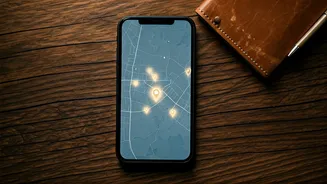
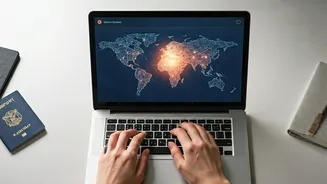
Forget static, printed guidebooks that are outdated the moment they’re published. A crowdsourced map is a living, breathing document, constantly updated by a community of users. Think of Google Maps, but with layers of data added not by a corporation, but by fellow travelers. These maps don’t just show you the way to the Taj Mahal. They pinpoint a pop-up chai stall with the best masala tea, flag a flash 50% discount at a nearby hostel, or mark a live music performance in a park that just started. The “real-time deal” isn’t always a monetary discount; often, the real deal is an authentic, fleeting experience you would have otherwise missed. This is a shift from pre-planned itineraries to opportunity-driven exploration.
The Power of the Digital Pack
The true innovation here is the community. By tapping into a crowdsourced map or forum, a solo traveler in a new city instantly gains the knowledge of hundreds of others who are there right now or were there just yesterday. This collective intelligence serves several purposes. It’s a powerful tool for deal-hunting, allowing travelers to stretch their budgets further by finding happy hours, two-for-one entry tickets, or affordable, delicious street food vetted by peers. More importantly, it helps users avoid tourist traps and navigate directly to authentic, quality experiences. It's like having a dozen local friends in every city, all whispering the best-kept secrets directly into your ear.
Your Toolkit for Spontaneous Travel
So, how do you plug into this global network? It’s less about a single “killer app” and more about a mindset and a collection of tools. Start with shared Google Maps lists created by travel bloggers and influencers you trust; many curate maps for specific cities, highlighting their favourite spots. Dive into online communities like Reddit’s r/solotravel or hyper-local Facebook groups, where users frequently share time-sensitive tips and organise impromptu meetups. Apps like an Atlas Obscura add a layer of unusual and hidden places, while many hostel booking platforms now integrate social features that let you see who else is staying and what events are happening. Even Instagram’s map search, when used with specific hashtags, can reveal what's popular in a neighbourhood right now.
Beyond the Deals and Discounts
While saving money is a significant benefit, the value of these crowdsourced tools extends far beyond a cheap meal. For solo travelers, especially women, safety is paramount. These communities often share real-time safety information, such as which areas to avoid after dark or flagging scams to watch out for. This shared vigilance creates a digital safety net. Furthermore, these platforms combat the potential loneliness of solo travel by facilitating connection. A shared pin on a map can lead to a spontaneous group hike, a shared meal, or simply a conversation with a like-minded individual. It transforms a solo journey into a series of shared moments, entirely on your own terms.