


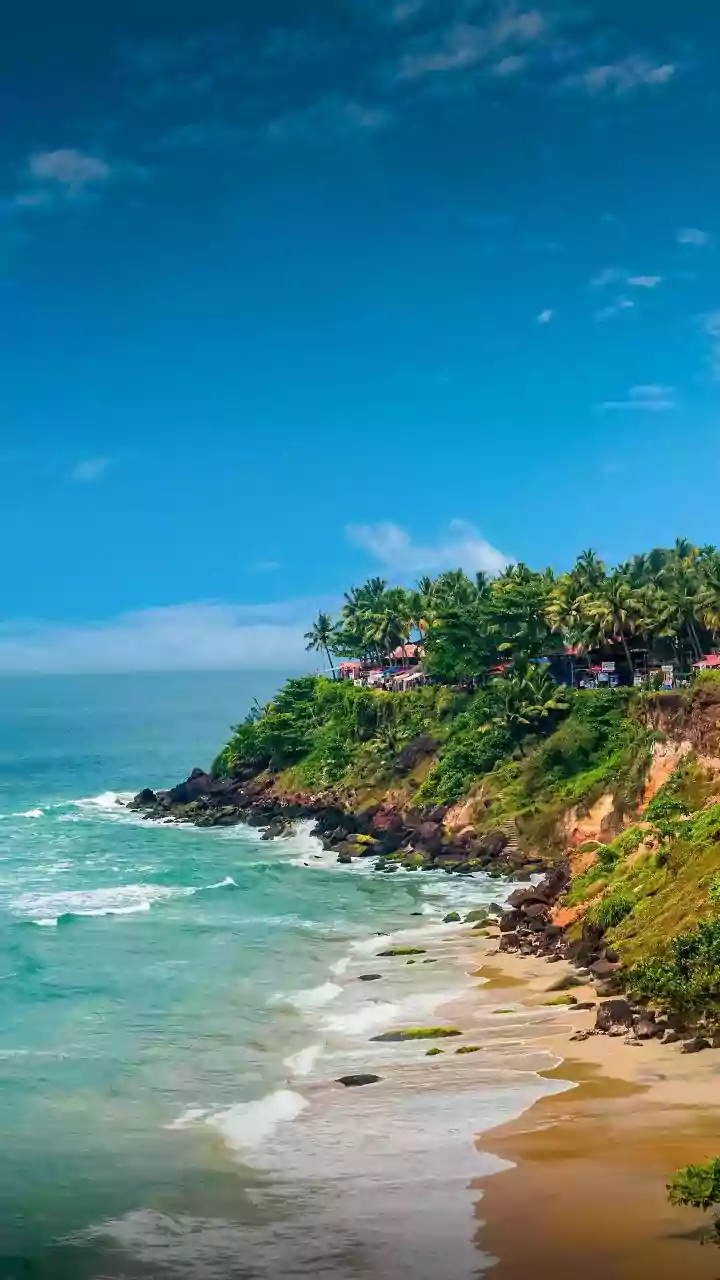



The Magic of Shoulder Season Travel
In Vietnam, the shoulder seasons—typically April to June and September to November—are transitional periods between the peak and off-peak months. During this time, the weather is often still pleasant, but the crowds have thinned out considerably. The
result is a more relaxed atmosphere and, most importantly, lower prices. Airlines and hotels reduce their rates to attract visitors, with accommodation costs sometimes dropping by as much as 50% compared to the high season. This makes it the perfect time for budget-conscious travellers from India to experience Vietnam's famous coastal beauty without breaking the bank.
Central Coast: Da Nang & Hoi An
Central Vietnam, home to the bustling city of Da Nang and the charming ancient town of Hoi An, is a major draw for tourists. The ideal shoulder season here is from February to May. During these months, the intense heat of the summer has yet to arrive, and the rainy season is still a way off, offering clear skies and comfortable temperatures perfect for exploring. You can relax on My Khe Beach in Da Nang or wander through Hoi An's lantern-lit streets with fewer people around. While Da Nang and Hoi An can be among the pricier destinations in Vietnam, visiting during this period means you can find three-star hotels for a fraction of their peak-season cost.
Southern Shores: Nha Trang & Mui Ne
Further south, the coastal city of Nha Trang boasts a long, sandy beach and is a hub for water sports. Its dry season lasts longer than in other regions, running from January to August. A good shoulder-season window here is from March to June. You'll get plenty of sunshine for beach activities and diving before the peak domestic travel rush in July and August. While the rainy season starts in September, it doesn't peak until October and November, so early September can also offer good value for those willing to risk a few showers in exchange for tranquility and lower prices.
Island Escape: Phu Quoc On A Budget
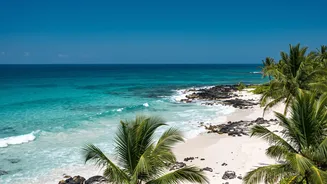
Phu Quoc, Vietnam's largest island, is a tropical paradise that has become increasingly popular. The best weather is from December to March, which is also the most expensive and crowded time. To save money, consider the shoulder months of April, May, October, or November. In April and May, the weather is hotter but still mostly dry before the monsoon arrives. October and November mark the transition back to the dry season, with decreasing rainfall and calmer seas, especially later in November. During these times, you can enjoy the island's serene beaches and lush national park with more peace and at a lower cost.
Smart Booking Tips for Indian Travellers
Getting the best deals requires some planning. For flights from Indian cities like Delhi, Mumbai, or Kolkata, booking two to three months in advance is crucial. Airlines like VietJet Air often have direct flights or convenient connections. A 7-day mid-range trip can be managed within a budget of around ₹60,000 to ₹1,00,000 per person, including flights. On the ground, Vietnam is very affordable. Using ride-hailing apps, eating delicious street food, and choosing guesthouses or budget hotels are excellent ways to manage daily expenses, which can be as low as ₹2,000 to ₹3,500 per day for a backpacker.