


From the Beach to the Deep Blue
The traditional beach vacation is evolving. An increasing number of Indian travellers are no longer content with just relaxing by the sea; they are seeking immersive adventures beneath the waves. This growing appetite for experiential travel has fuelled
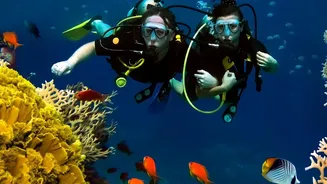
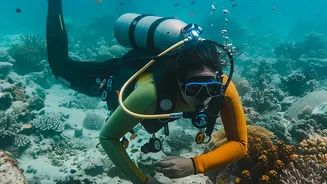
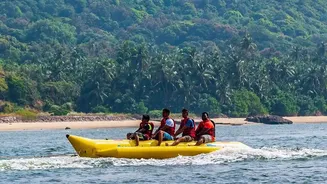
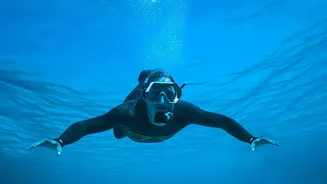
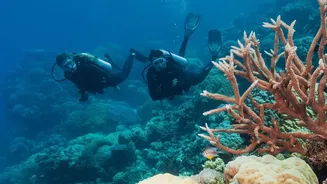
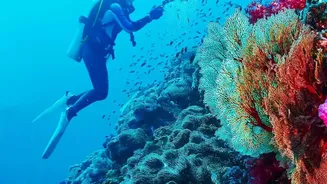
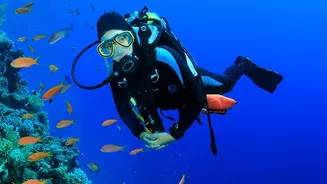
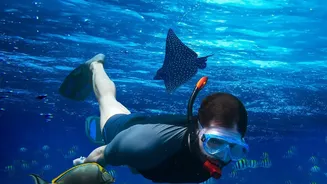
a surge in activities like scuba diving, snorkeling, sea kayaking, and even underwater walks. The movie 'Zindagi Na Milegi Na Dobara' glamorized scuba diving, but the trend has now become a mainstream aspiration. Instead of just viewing the ocean, tourists want to be in it, exploring vibrant coral reefs and rich marine biodiversity, turning a passive holiday into an active exploration. This shift marks a significant change in how domestic tourists interact with India’s vast marine landscapes.
The Island Hotspots
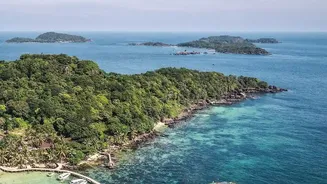
The Andaman and Nicobar Islands and Lakshadweep have long been the jewels in India's marine tourism crown. The Andamans, with world-renowned sites around Havelock and Neil Islands, offer crystal-clear waters and some of the most vibrant coral reefs in the Indian Ocean, teeming with over 1,200 species of marine life. Lakshadweep, often compared to the Maldives for its pristine conditions, provides a more serene and less crowded experience, with its calm lagoons offering excellent visibility for divers. These islands have set a high standard for underwater experiences in India, attracting both beginners and seasoned divers to explore their unparalleled beauty.
New Waves on the Mainland Coast
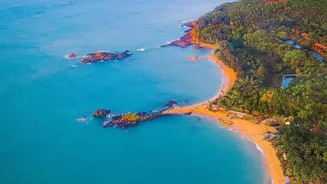
What truly signals the broadening appeal of marine tourism is its expansion beyond the islands to India's mainland coast. Netrani Island off the coast of Karnataka, also known as 'Pigeon Island', has emerged as a premier diving destination, famous for its clear waters and diverse aquatic life, including occasional sightings of whale sharks. Similarly, Tarkarli in Maharashtra and the waters near Dwarka in Gujarat are gaining popularity. On the east coast, Pondicherry is the primary diving hub, offering unique experiences like exploring shipwrecks and artificial reefs. Even Kerala, known for its backwaters, is witnessing a boom in water sports, with places like Kovalam offering everything from scuba diving to kayaking, proving that marine adventure is becoming more accessible across the country.
What's Driving the Dive?
Several factors are powering this blue tourism wave. Rising disposable incomes and a post-pandemic hunger for new and meaningful experiences are key drivers. Furthermore, government initiatives like the Sagarmala Programme are playing a crucial role. While focused on port-led development, a key pillar of the programme is coastal community development, which includes promoting coastal and cruise tourism. This has led to better infrastructure, improved connectivity, and a more structured approach to developing tourism facilities at coastal sites, including lighthouses. The rise of digital booking platforms and social media has also made these once-niche activities more visible and accessible to a wider audience, inspiring more people to take the plunge.
The Sustainable Tide
With this rapid growth comes the critical responsibility of preservation. The very commodity being sold—pristine marine ecosystems—is fragile. There is a growing awareness among both operators and tourists about the need for sustainable practices. Eco-tourism is becoming a dominant trend, with travellers prioritizing operators who are environmentally responsible. This includes enforcing no-touch policies on coral reefs, using reef-safe products, and managing waste effectively. Government bodies and NGOs are also stepping in, with regulations like the Coastal Regulation Zone policy and community-led conservation projects aiming to balance tourism growth with ecological health. For marine tourism to have a lasting positive impact, this commitment to protecting the blue heritage is non-negotiable.