





The Wet and Dry Zone Philosophy
The core of a successful monsoon packing strategy is separation. The goal is to create two distinct zones within your luggage: a protected 'dry zone' for sensitive and clean items, and an isolated 'wet zone' for anything damp. This prevents moisture from
a used umbrella or wet shoes from seeping into your fresh clothes, electronics, and documents. High humidity alone can make things feel damp, and without a system, one wet item can compromise your entire bag, leading to musty smells and potential damage. Think of it as a firewall against dampness, ensuring your essentials remain pristine no matter the downpour.
Choose Your Luggage Wisely
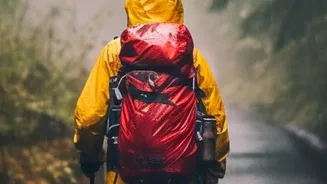
Your first line of defence is your bag itself. While a fully waterproof backpack is ideal, a water-resistant bag paired with a rain cover can be just as effective for most situations. For internal organisation, dry bags are superior to standard packing cubes during the monsoon. These lightweight, waterproof sacks act like powerful packing cubes, allowing you to compress clothing while creating a guaranteed waterproof seal. You can use different coloured dry bags for different items—for example, blue for clean tops, red for trousers, and a separate one for electronics—making it easy to find what you need without exposing everything to the humid air.
Packing the 'Wet Zone'
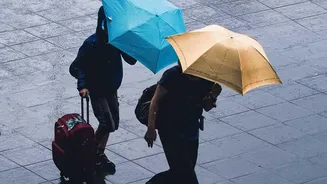
The wet zone is for items that have been exposed to the elements. This is where you'll stash your folded raincoat, damp umbrella, and any clothes you were caught in a shower with. It's also the designated spot for muddy or wet footwear. A reusable, sealable bag or a dedicated wet/dry pouch is perfect for this. Some travellers use a separate dry bag specifically for dirty or damp laundry, which helps contain odours and moisture. If you get caught in the rain, air out damp clothes as soon as you reach your hotel to prevent mildew before packing them away in this zone.
Protecting the 'Dry Zone' Sanctuary
Your dry zone is sacred. This is where you keep your most important and moisture-sensitive items. Pack all electronics—phones, power banks, cameras—in their own individual waterproof pouches for double-layered protection. Your travel documents, passport, and any necessary medications should also go into a sealed waterproof pouch. To combat ambient humidity, distribute a few silica gel packets throughout your clean clothes and electronics compartments. These small packets absorb excess moisture in the air, helping to prevent that dreaded musty smell from developing in your bag.
Smart Choices for Clothes and Shoes
Fabric choice is critical for monsoon travel. Avoid heavy fabrics like cotton and denim, which absorb moisture and can take days to dry in high humidity. Instead, opt for lightweight, quick-drying materials like polyester, nylon, and other synthetic blends. These fabrics repel water and will dry quickly overnight if you need to wash them in a hotel sink. For footwear, leave the heavy boots and non-waterproof sneakers at home. The best options are waterproof sandals or floaters with a good grip for slippery surfaces. Pack a spare pair of dry shoes or sandals for evenings or for when your primary pair needs to dry out.
Essential Extras for a Smooth Trip
A few small items can make a huge difference. A quick-dry microfibre towel is invaluable for everything from drying off after a sudden shower to wiping down your bag. Insect repellent is a must, as mosquito activity increases during the rainy season. Also consider packing a basic first-aid kit, antifungal powder, and electrolyte sachets to stay hydrated in the humidity. Finally, never underestimate the power of extra zip-lock bags—they are perfect for unexpectedly protecting small items or separating a snack from the rest of your damp gear.